
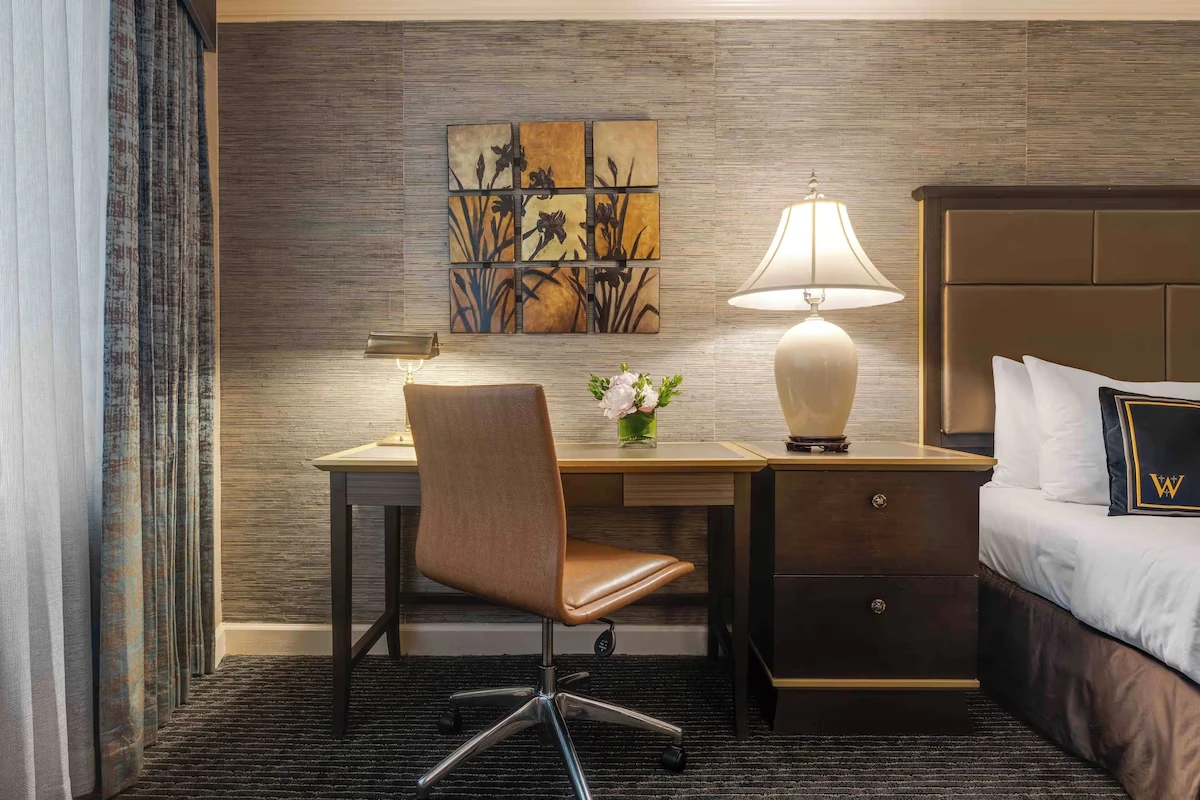
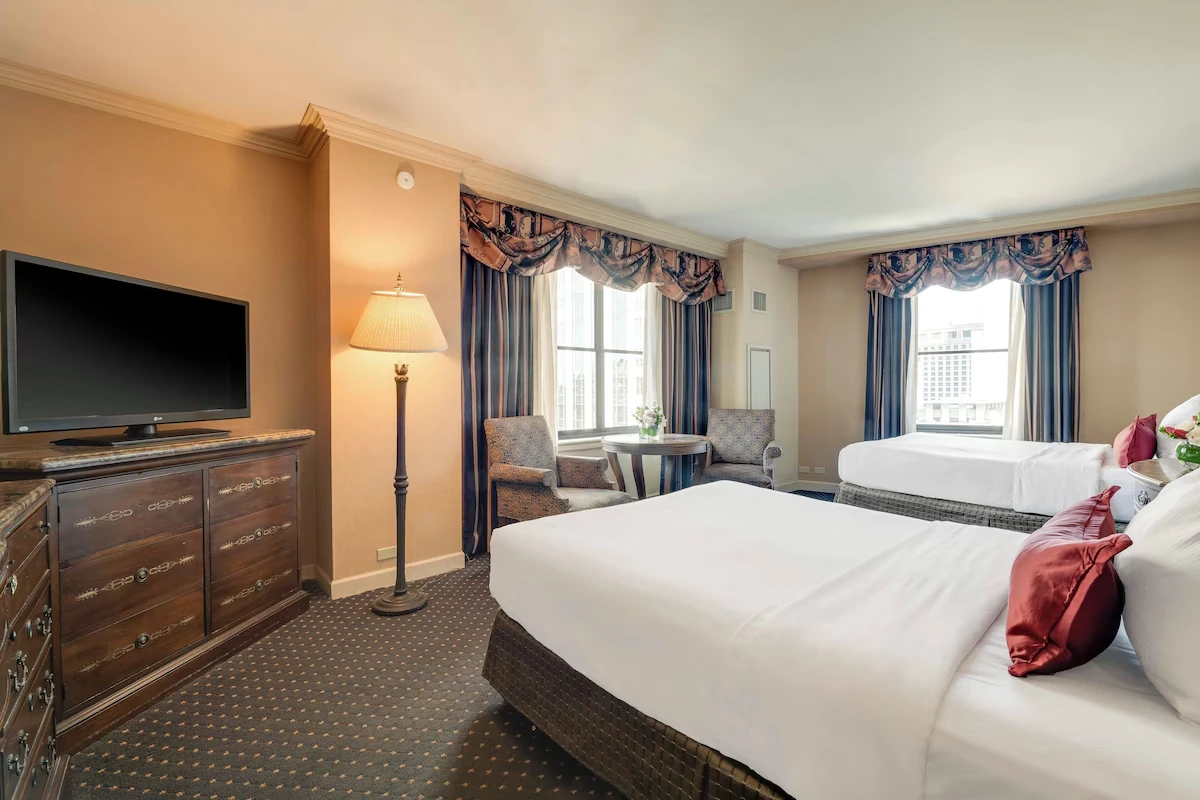
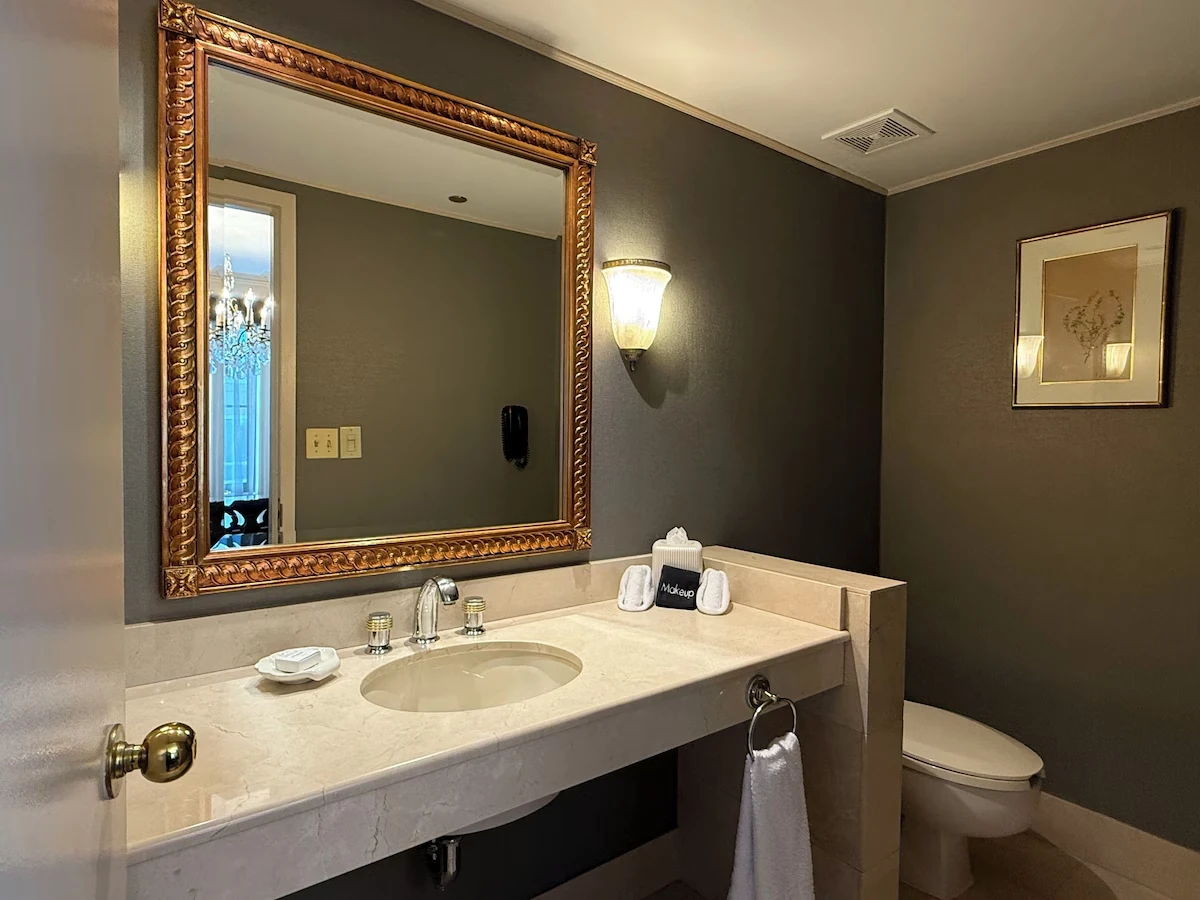
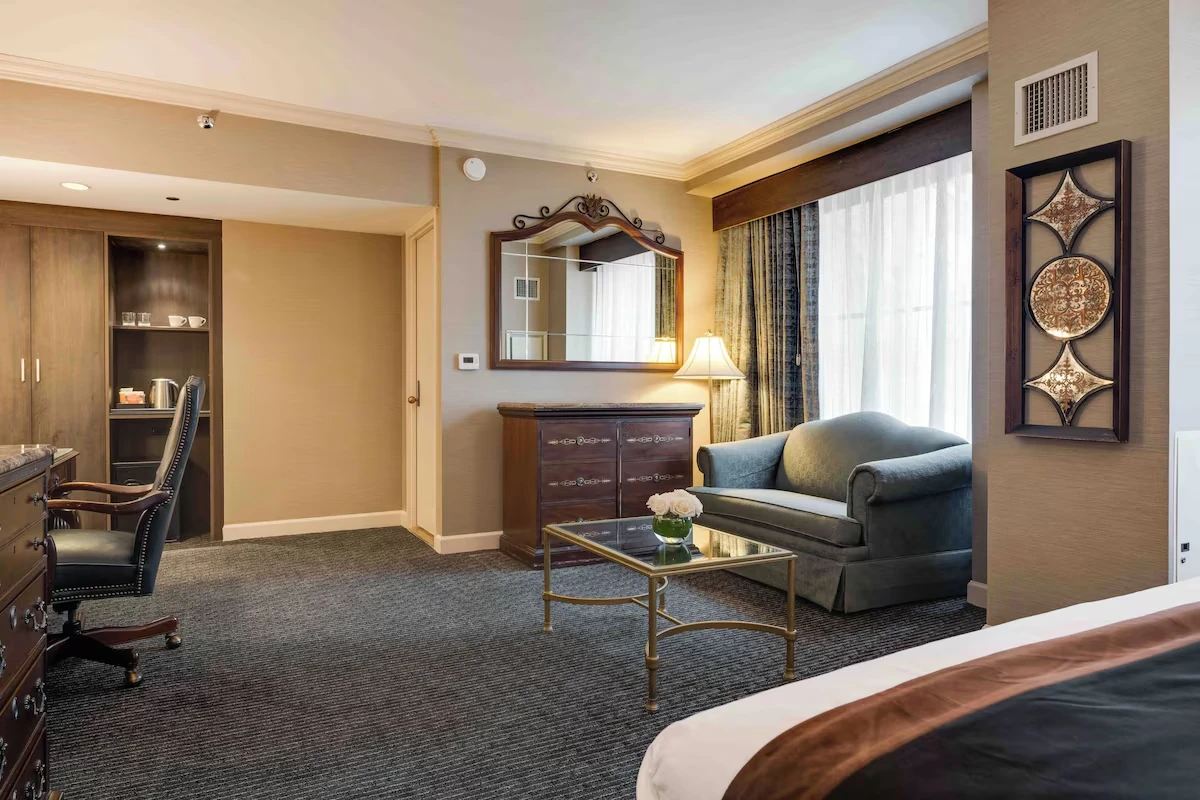
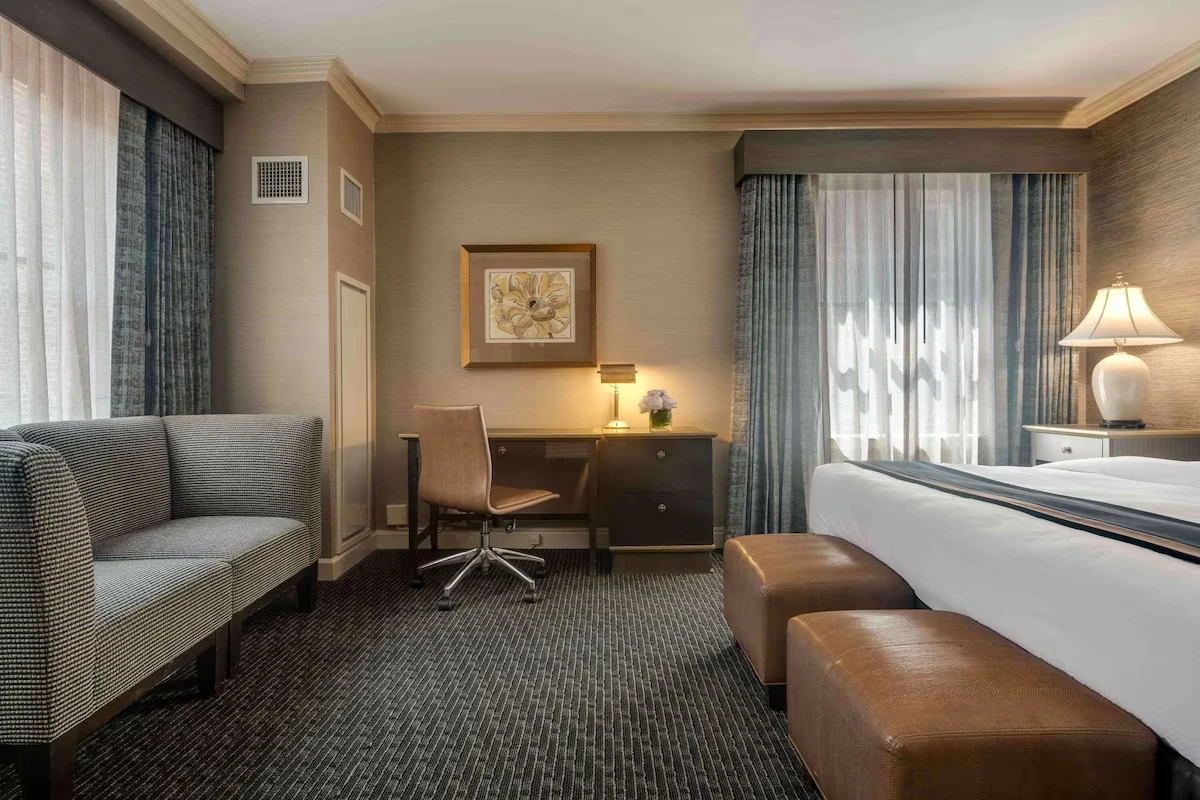
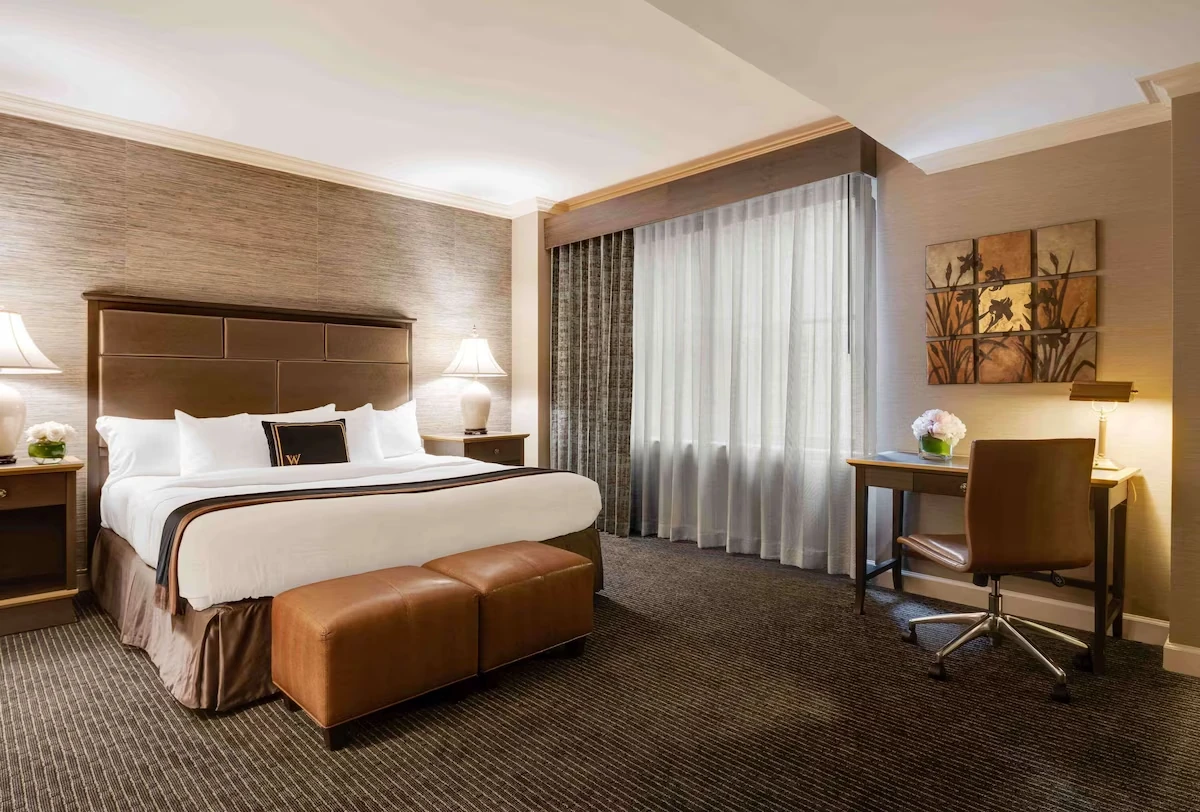
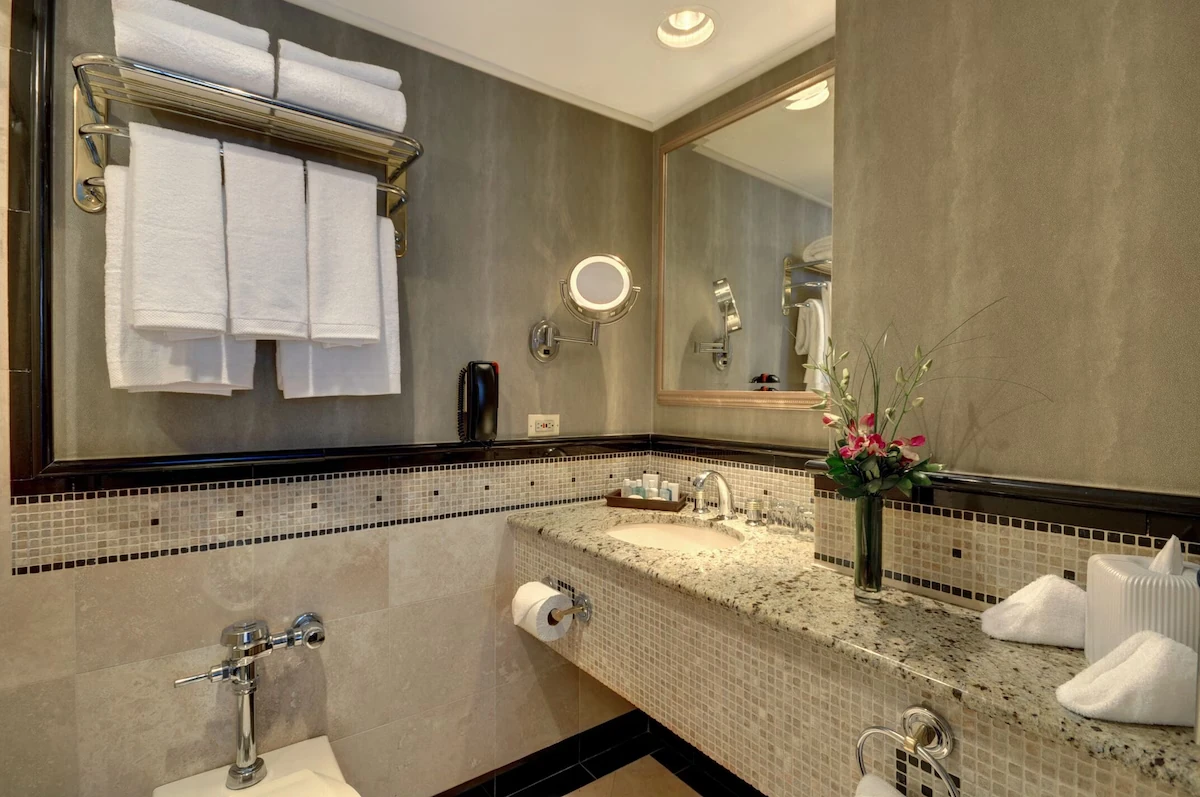
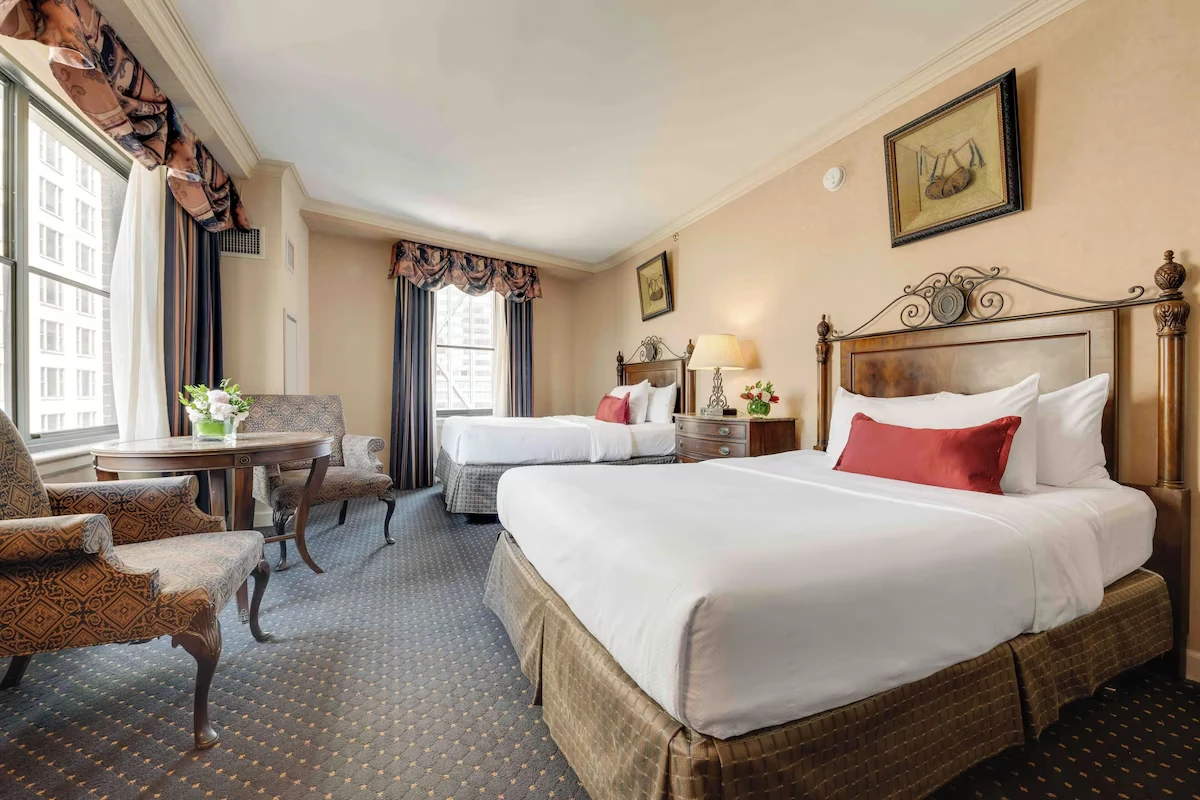
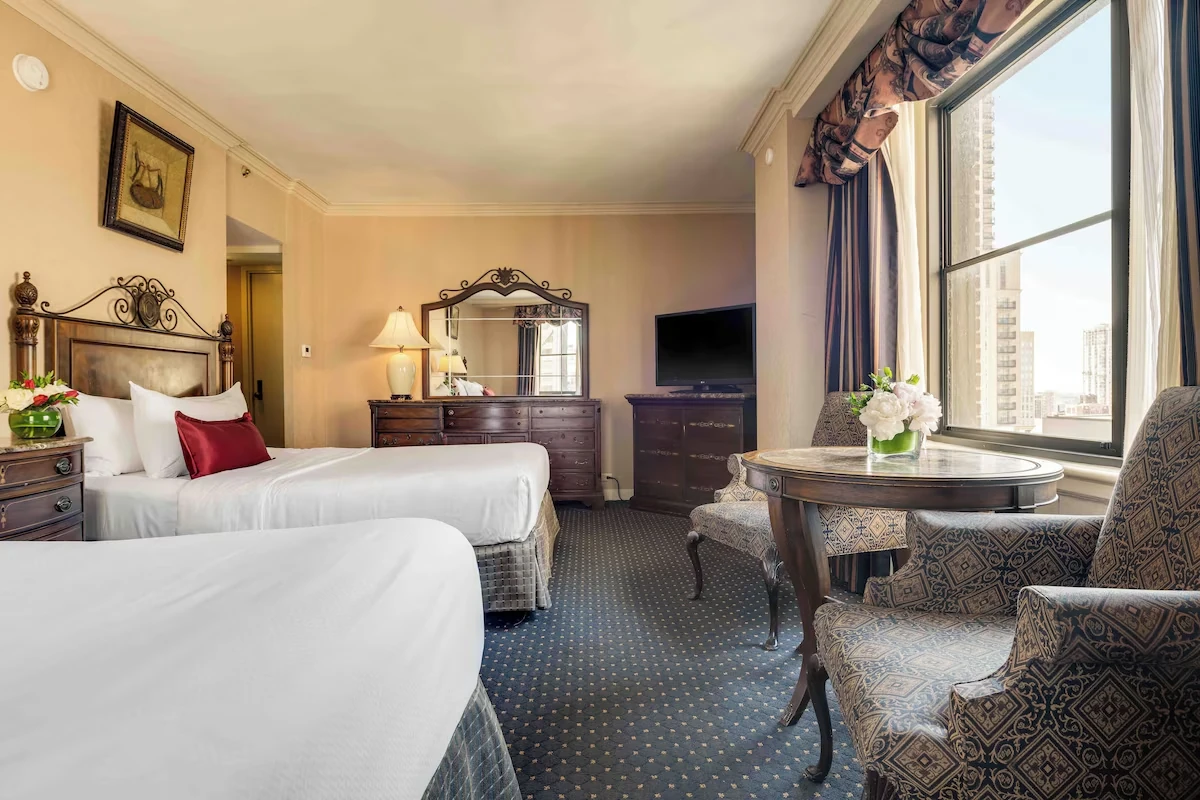
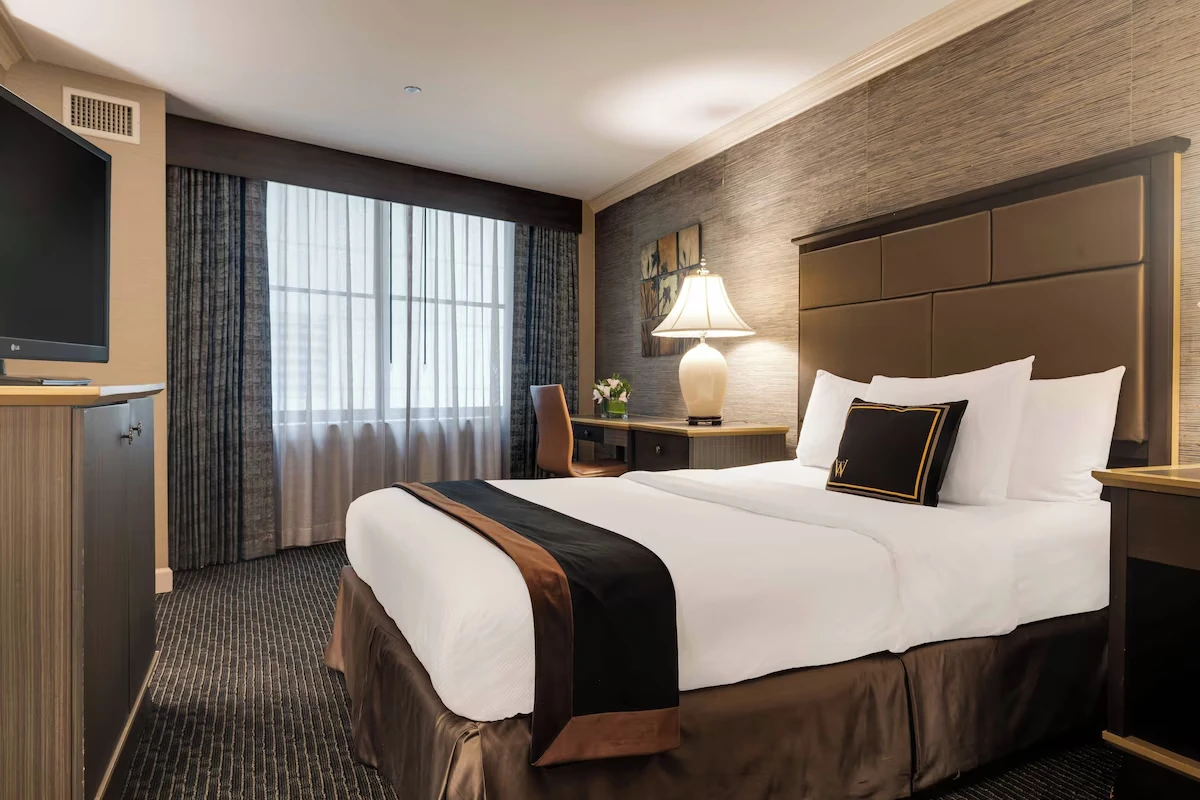
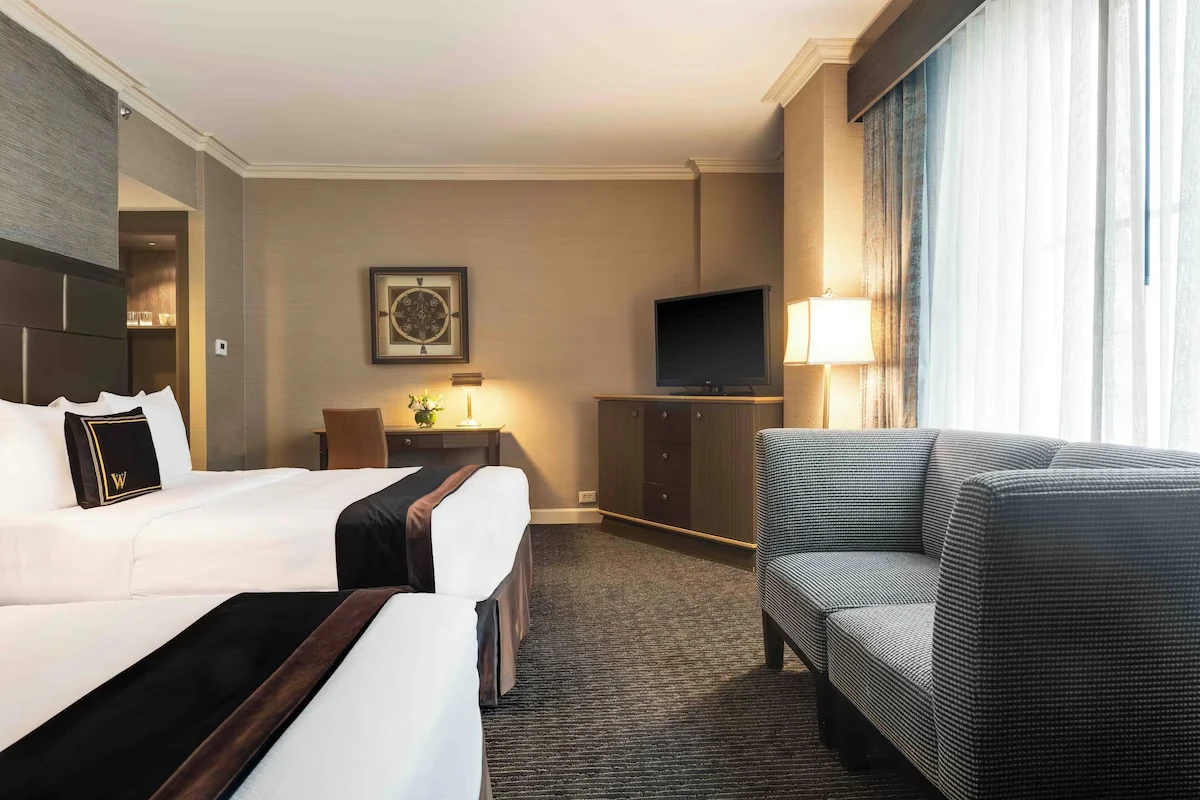
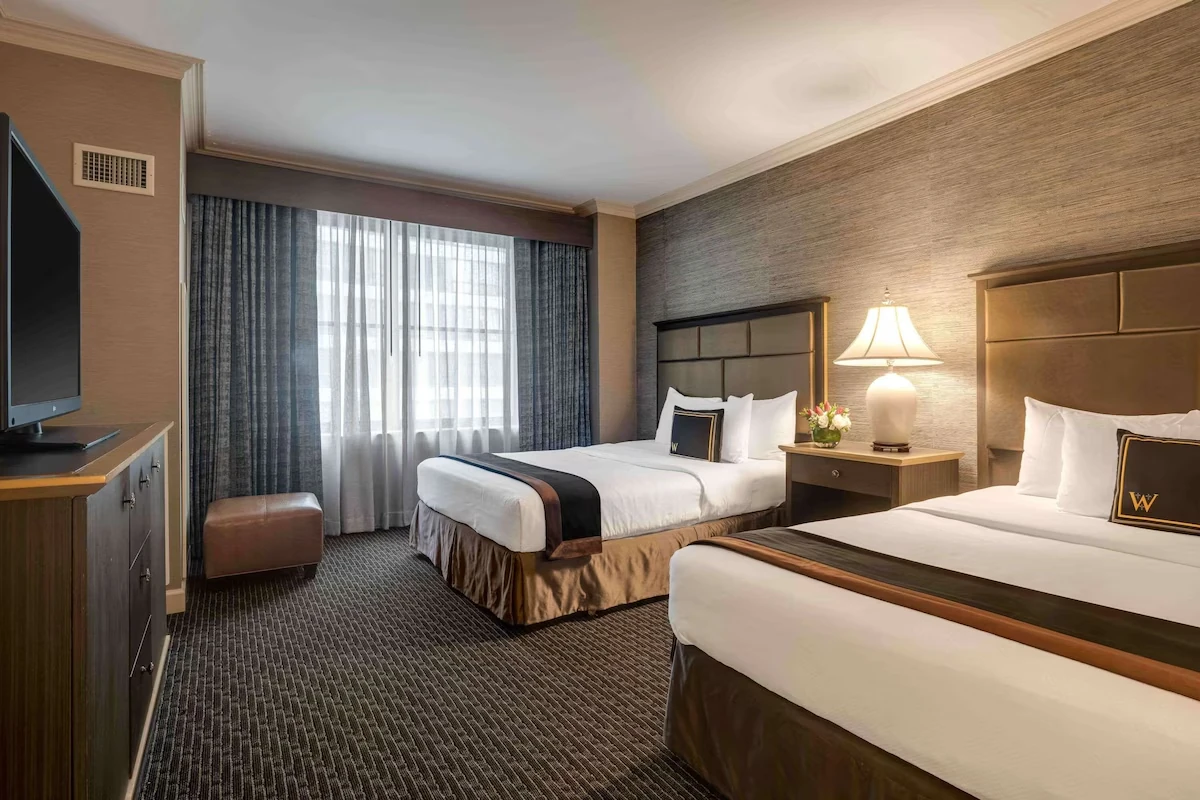
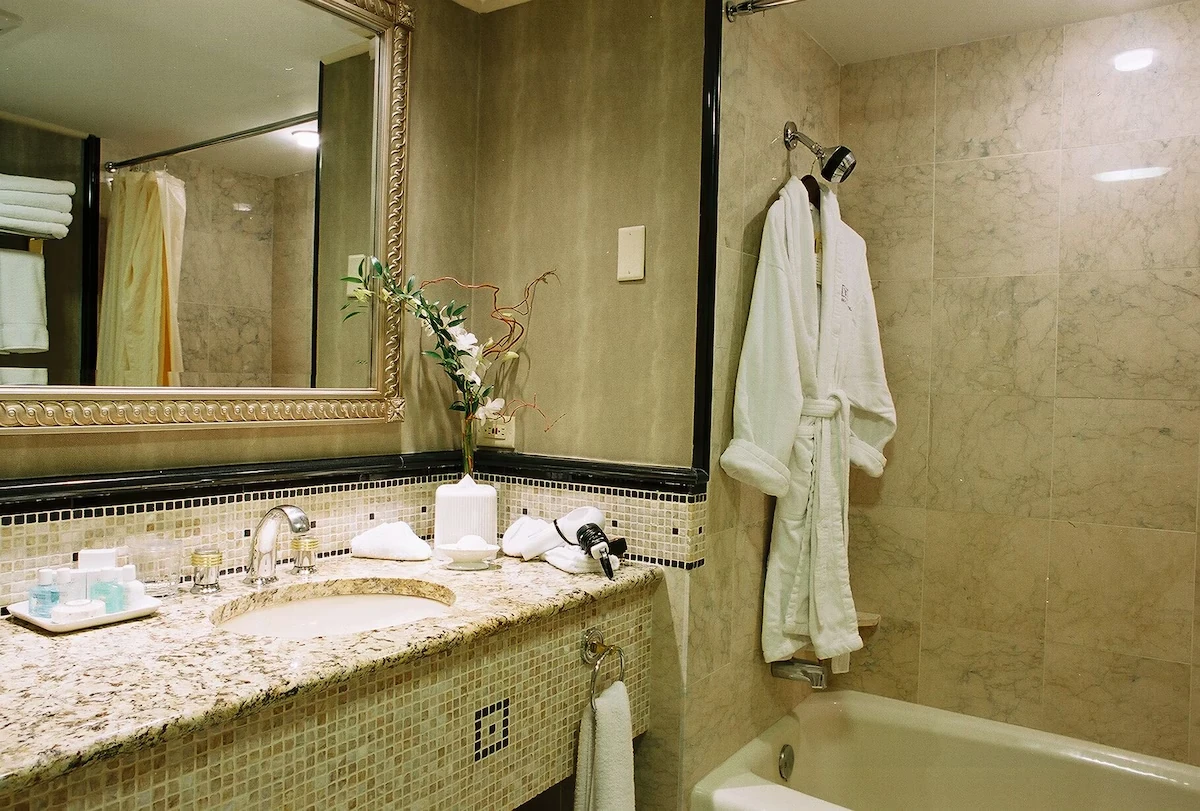
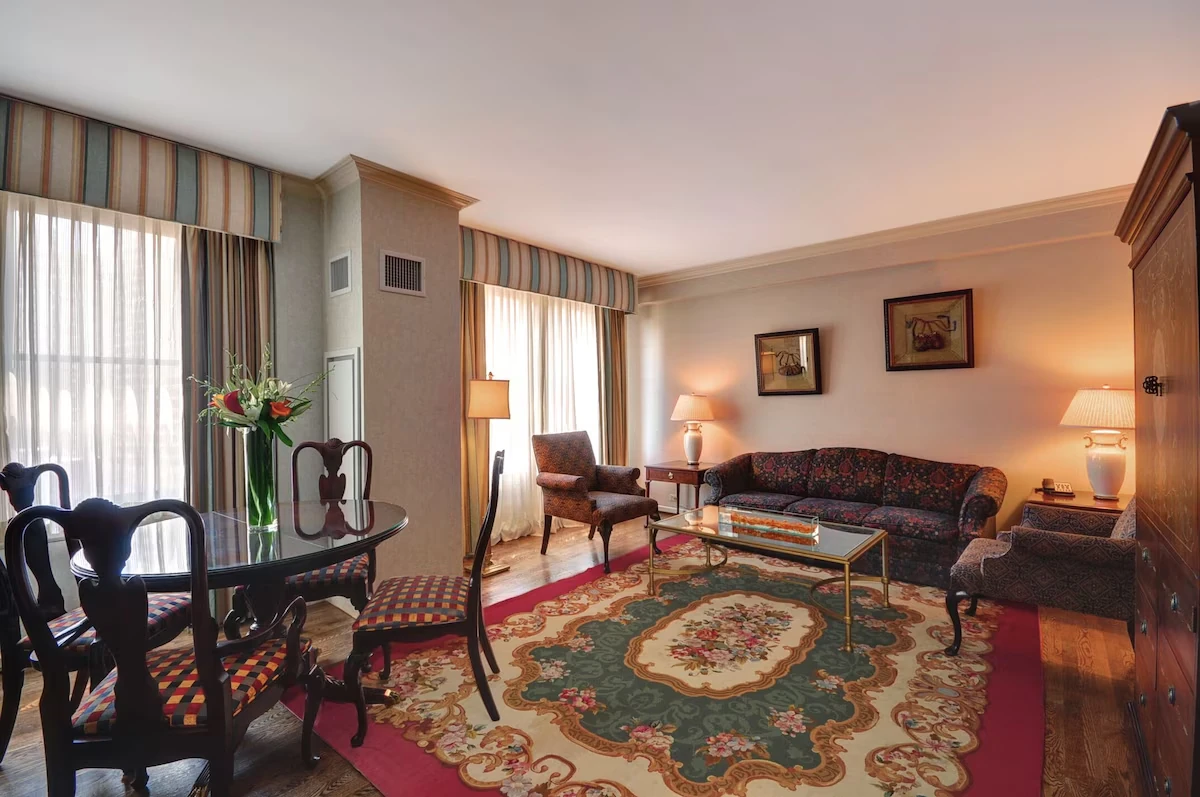
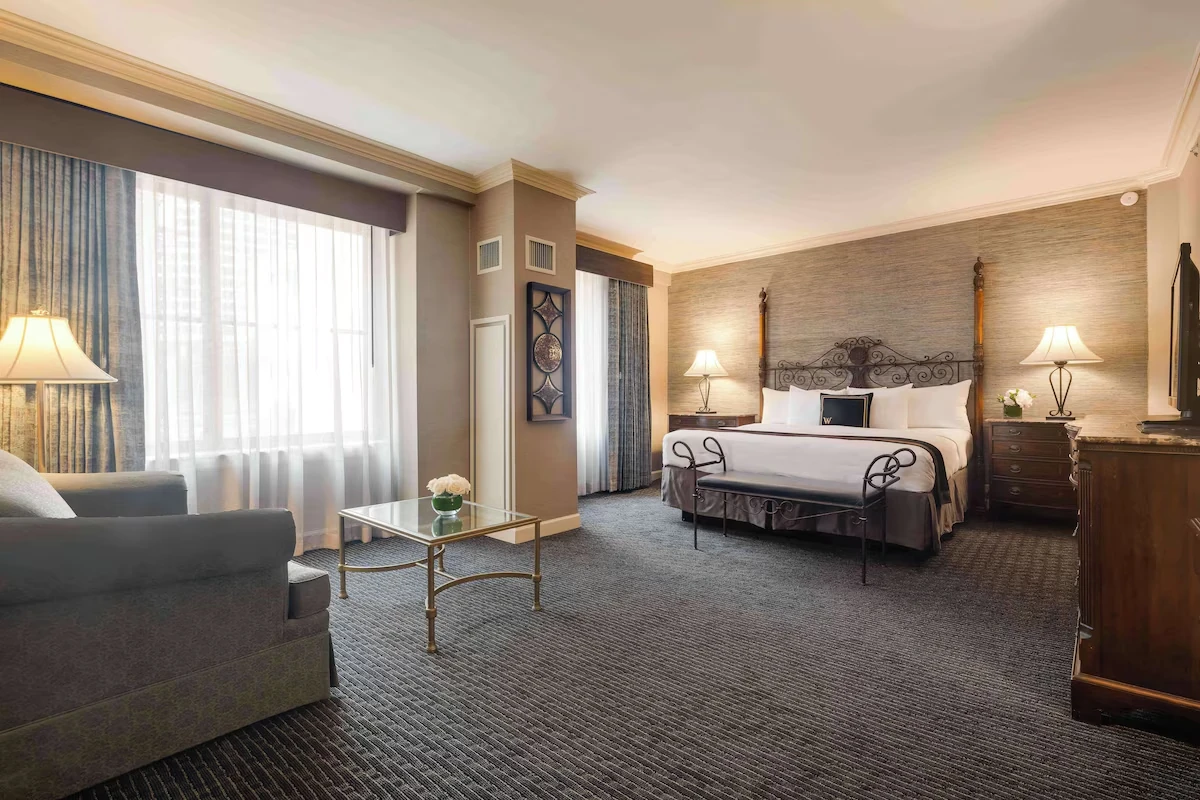
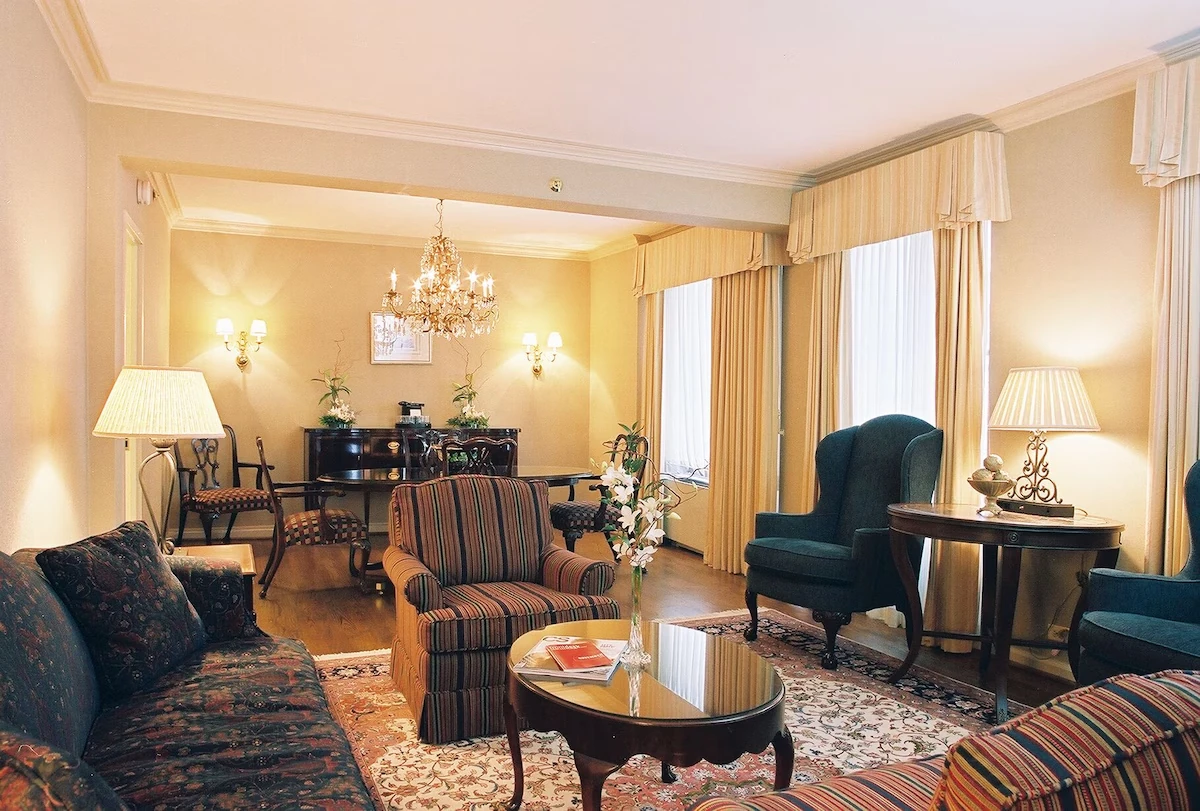
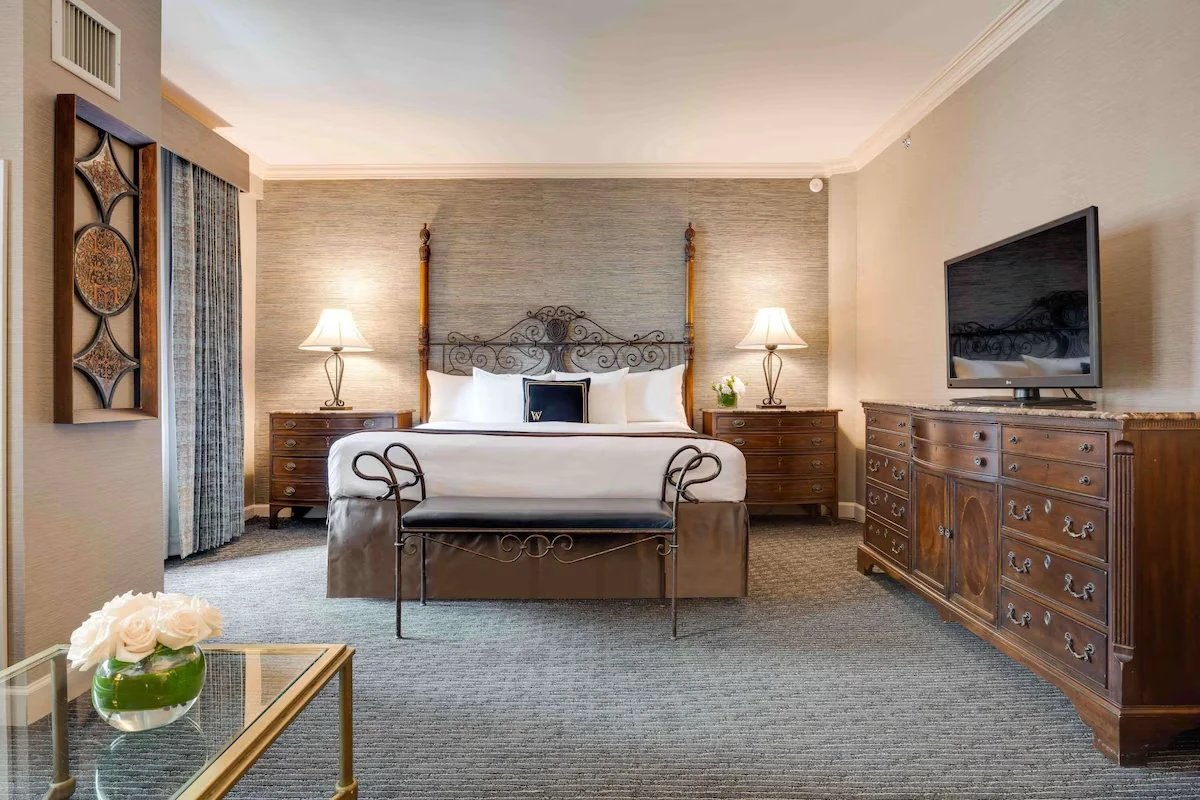
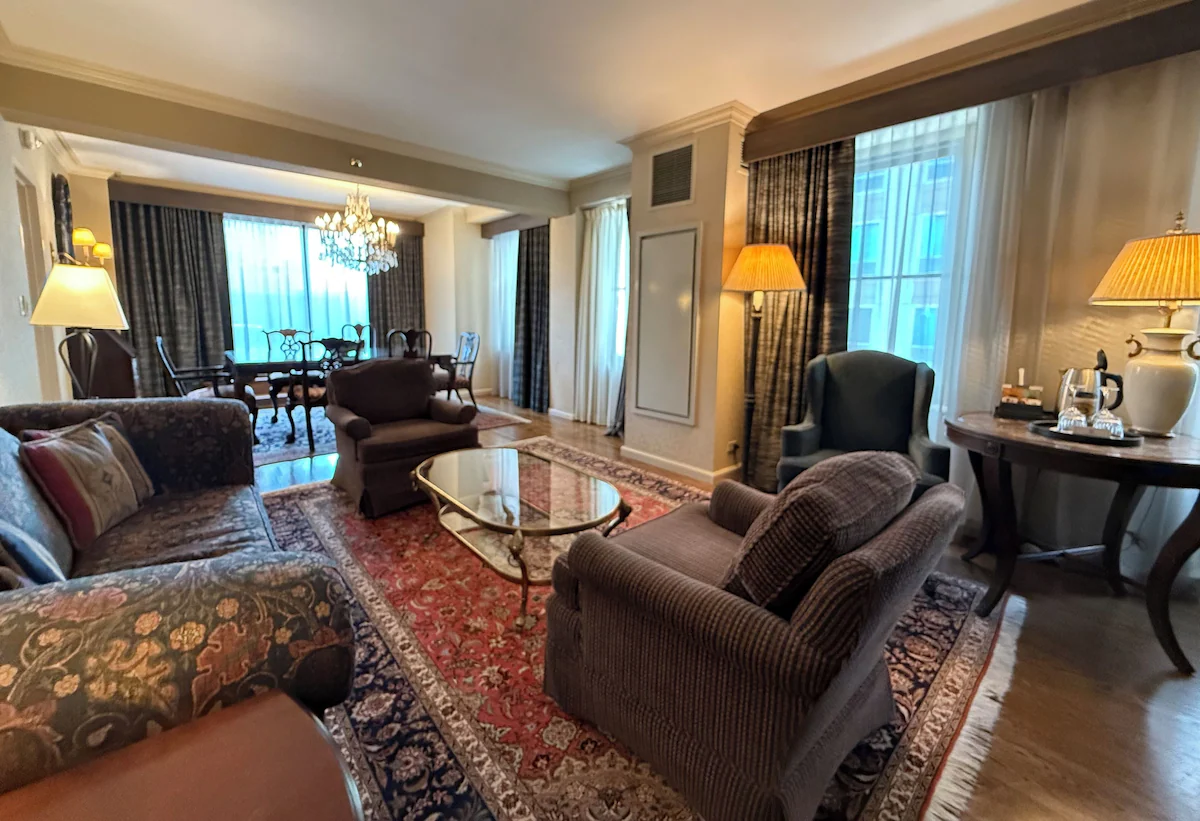
What guests are saying
What guests love
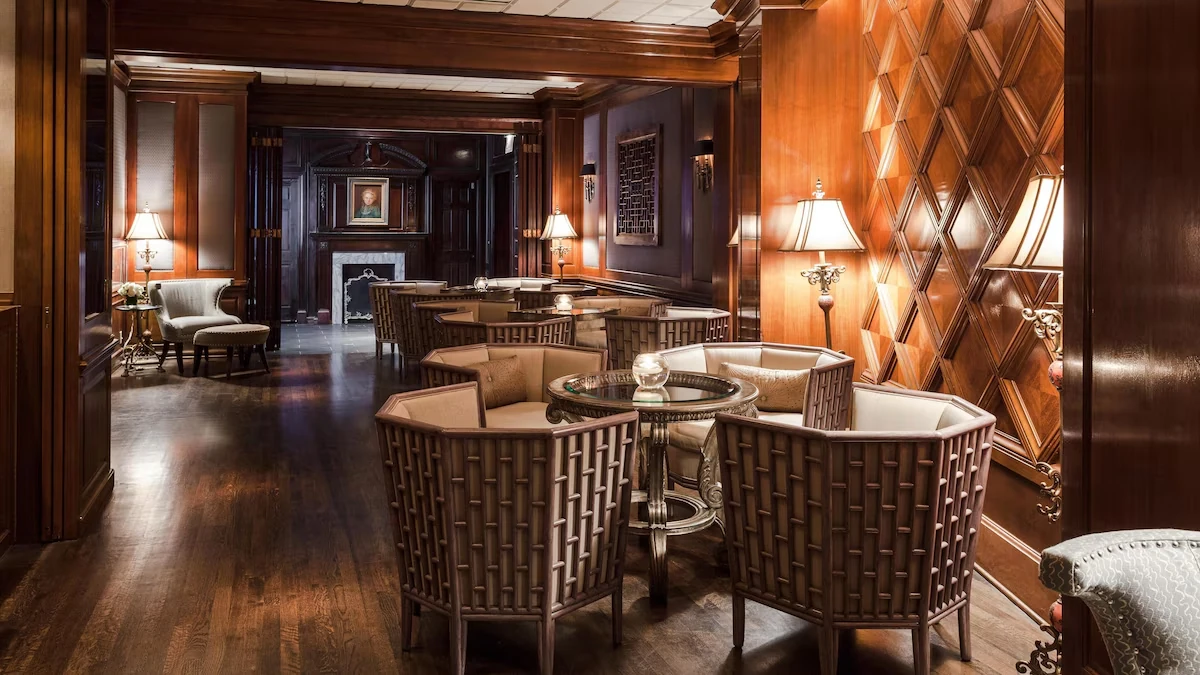
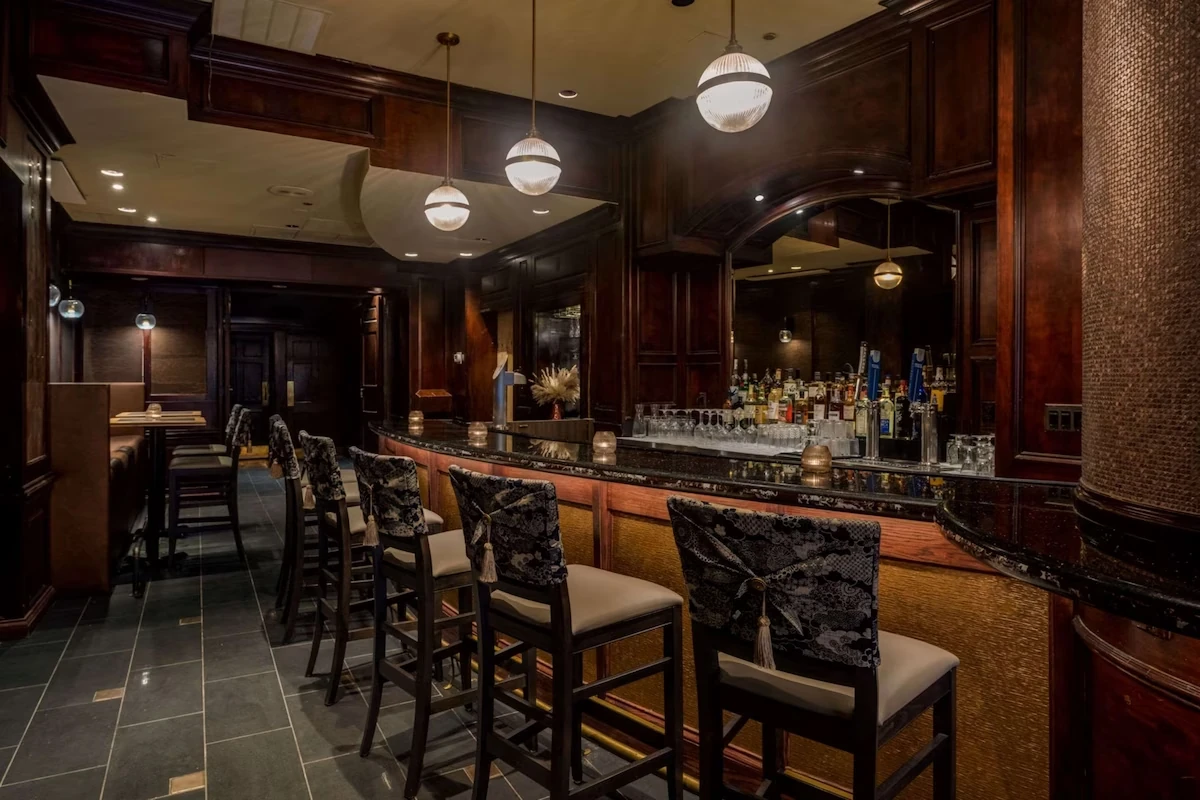
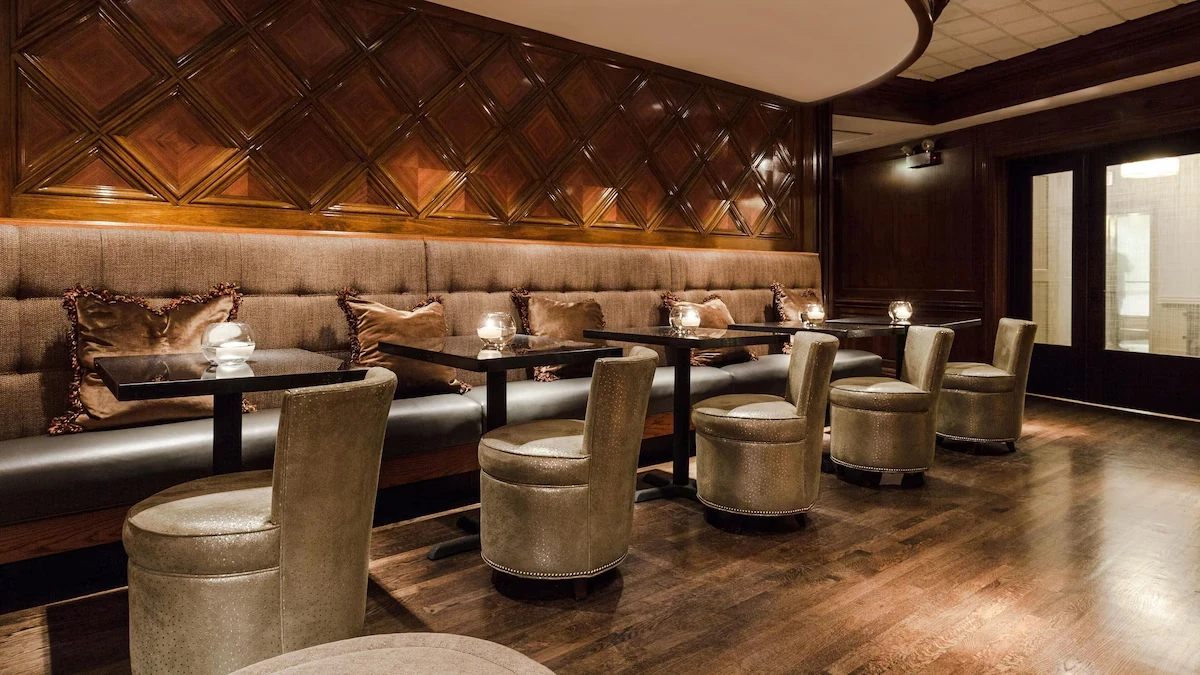
- An intimate, old-world boutique feel on a quiet Gold Coast street.
- A discreet address half a block from Michigan Avenue shopping and Rush Street dining.
- Personal, attentive service in a hotel with genuine 1920s pedigree.
What to keep in mind
- A small 1920s hotel — rooms vary in size
- A quiet block, a short walk from the avenue
Best for Travelers who want an intimate, characterful boutique tucked into the Gold Coast a block from the Mag Mile.
Summary of guest reviews. Sources: Height, construction, the full architect names and the Grunsfeld connection from Frank A. Randall, History of the Development of Building Construction in Chicago (University of Illinois Press, 1949), p. 287. Whitehall Hotel, Preservation Chicago. Photography courtesy of The Whitehall Hotel, BW Premier Collection, used with permission. Details may change over time.
Why this building matters
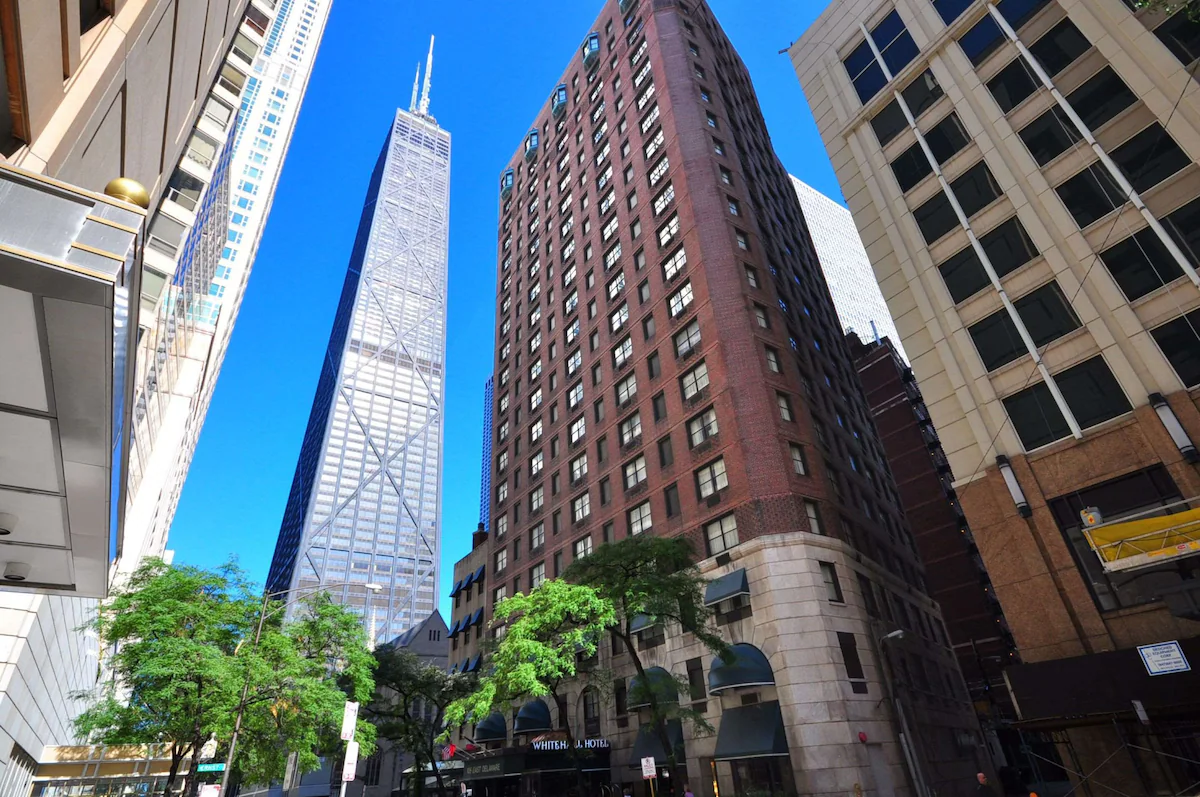
Opened in 1928, just as the Magnificent Mile was taking shape, the Whitehall has spent nearly a century as one of Chicago’s most discreet small hotels, drawing guests from Katharine Hepburn to Mick Jagger. A major restoration in the early 1990s preserved its original character — so much so that the state proclaimed a “Whitehall Hotel Day” at its 1995 reopening — and it remains a charming, intimate boutique today.
The guest book runs deeper than those two names. Richard Burton, Sophia Loren, Paul Newman, Robert Redford and Barry Manilow all stayed here — and so did the Beatles.
Two sources fix the building precisely. Randall gives the fabric: a “21-story reinforced concrete building (235 feet high), with one basement, on 60-foot wood piles,” by Eugene H. Klaber and Ernest A. Grunsfeld, Jr., with Loewenberg & Loewenberg associated.
The other source is a designation report for a different building. The Rosenwald Apartments and Jewish People’s Institute reports both discuss the firm and name this one — “the Whitehall Apartment Hotel, 105 E. Delaware Pl. (1928)” — as a notable surviving work. They also record what Grunsfeld did next: the partnership ended in 1929, and his first major commission on his own was the Adler Planetarium.