









What guests are saying
What guests love
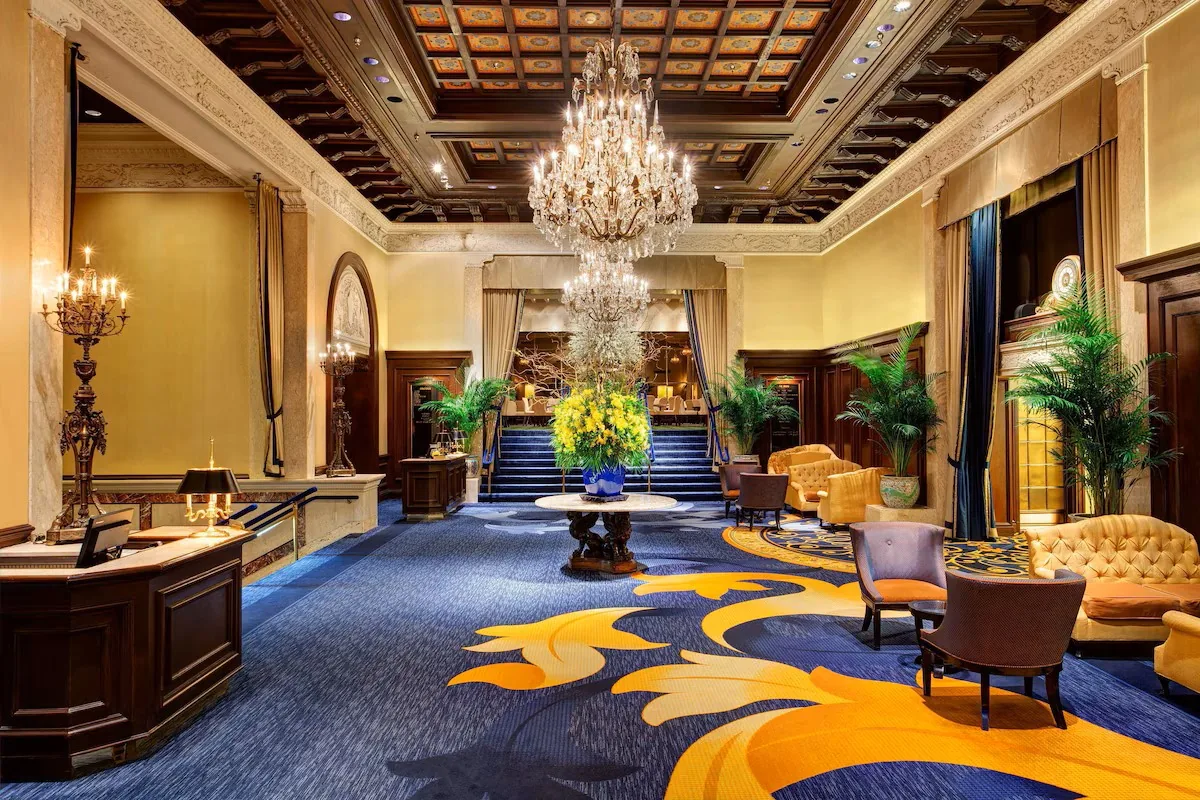
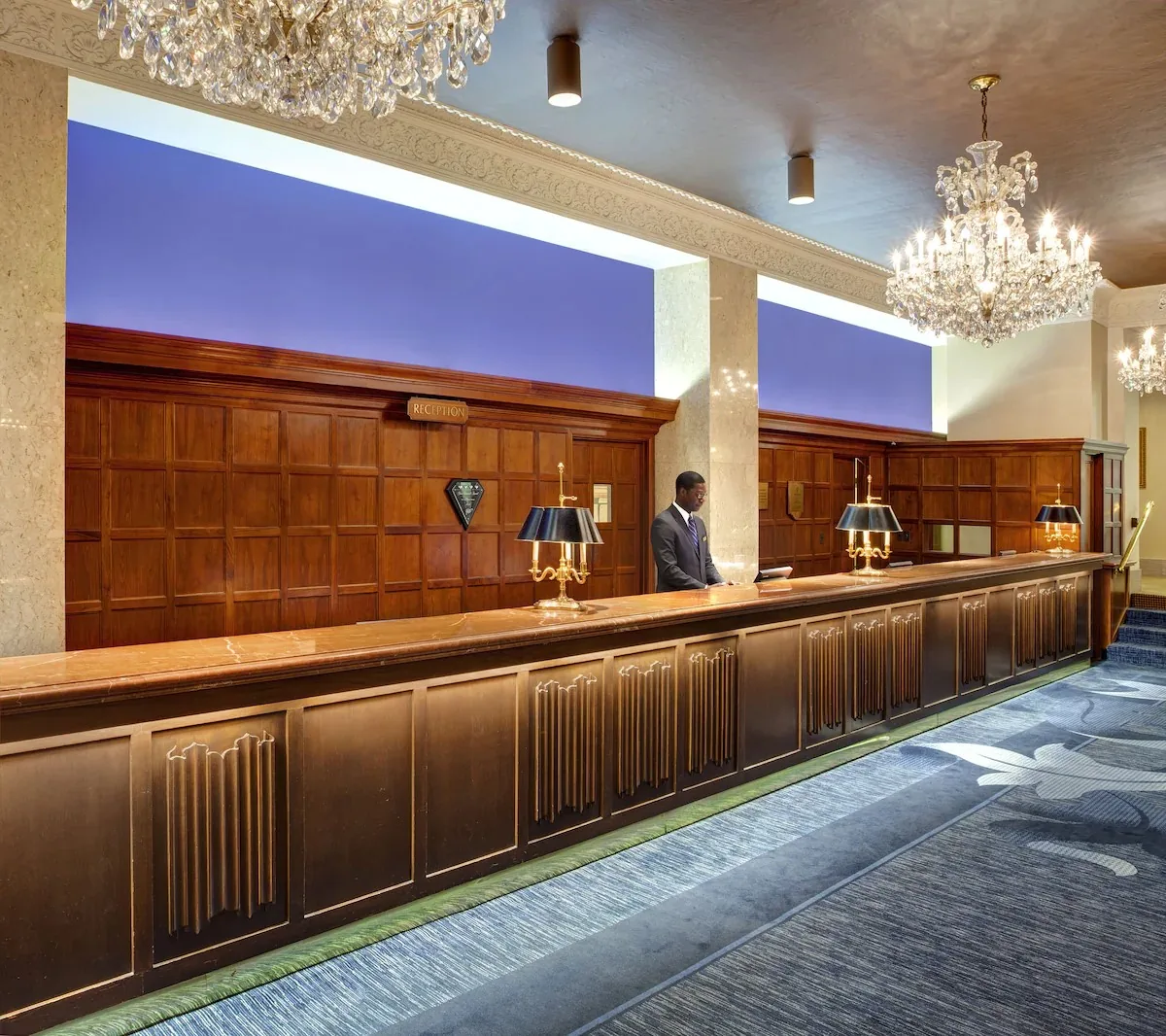
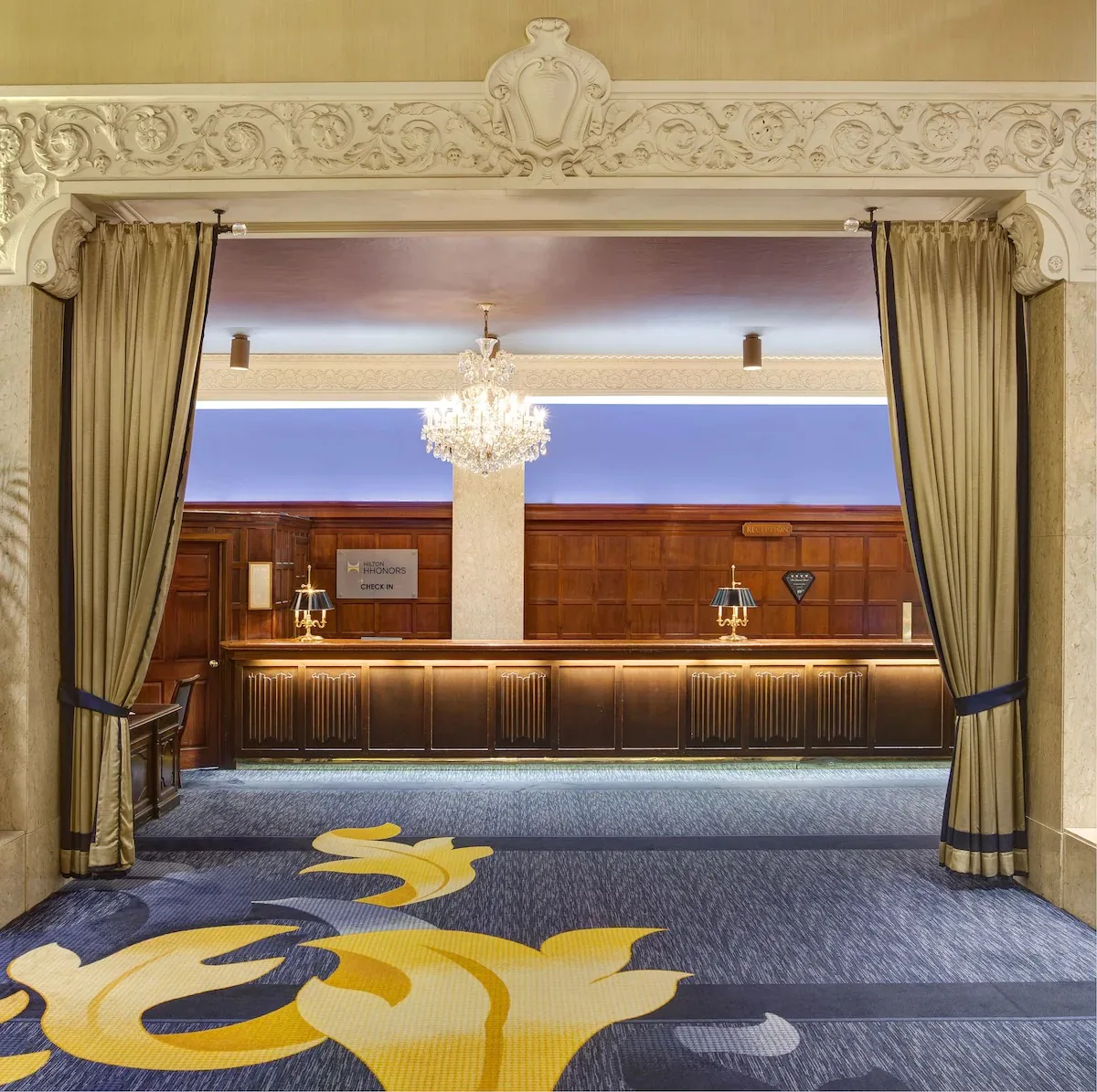
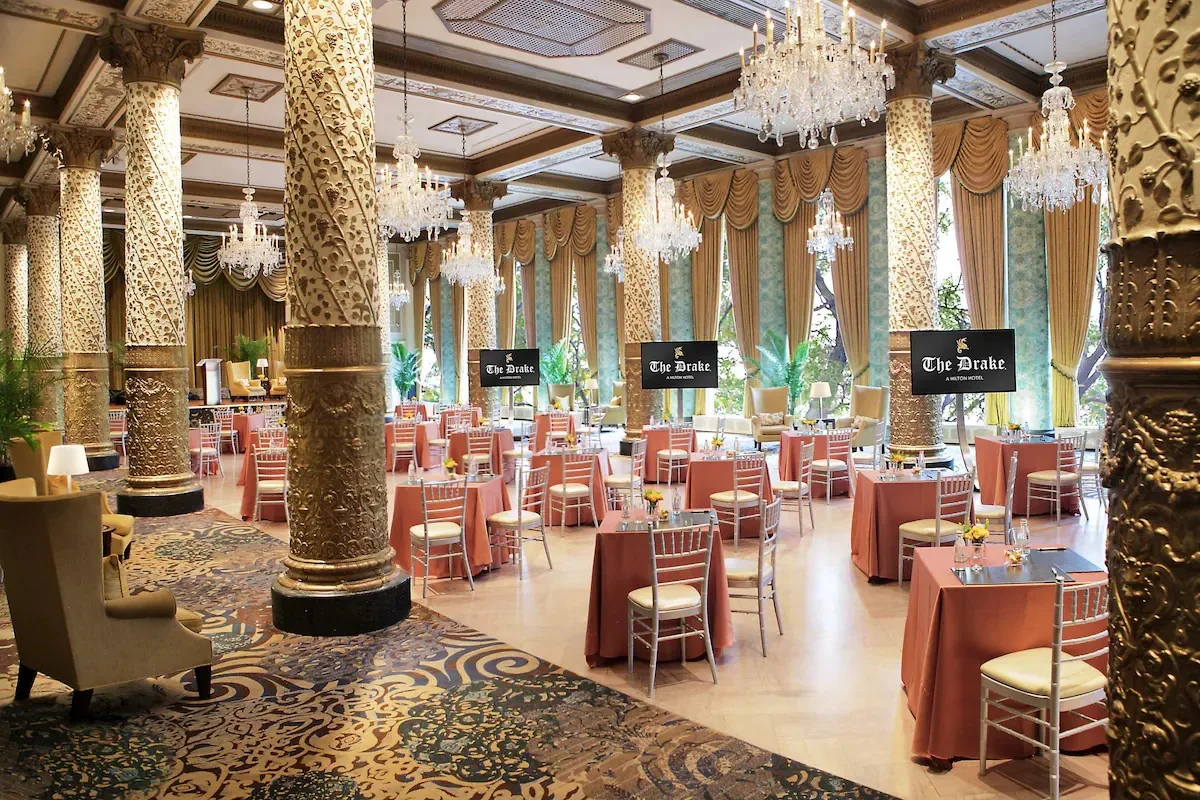
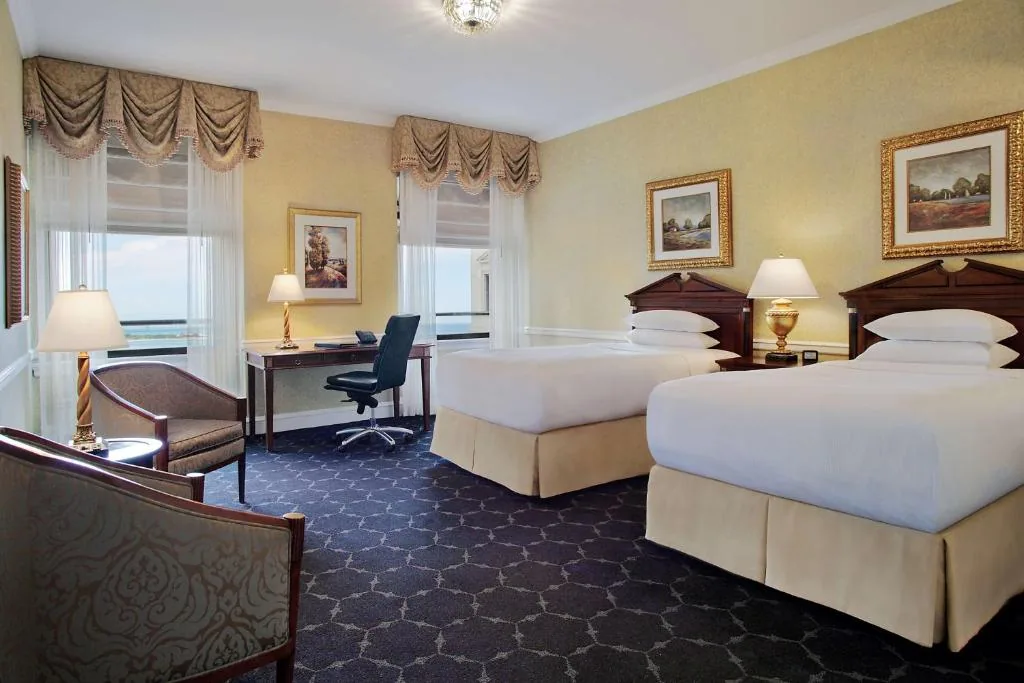
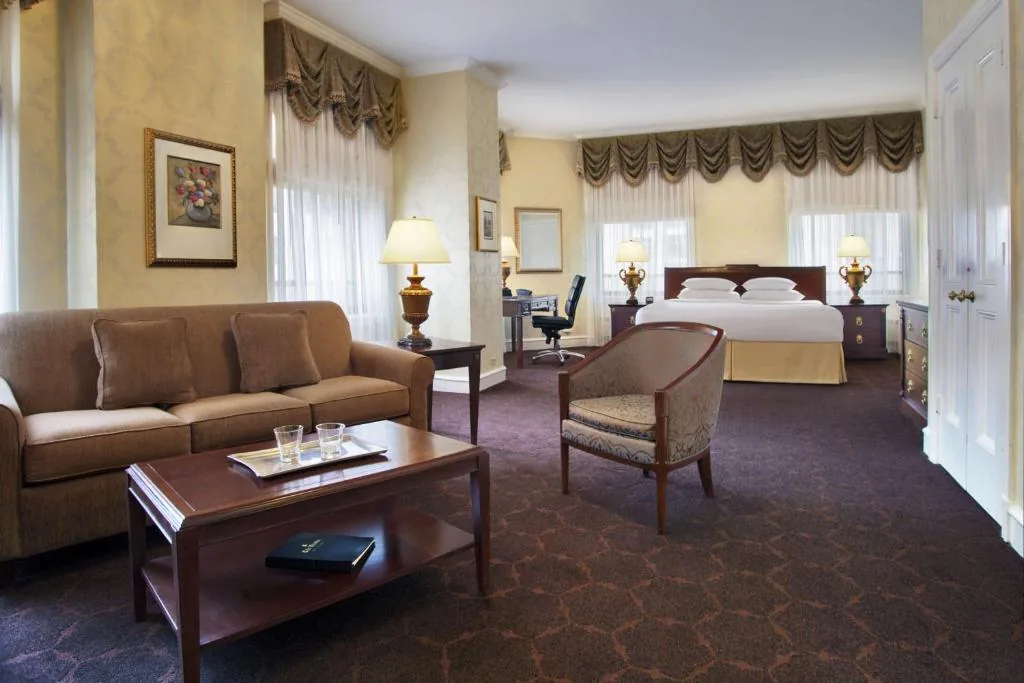
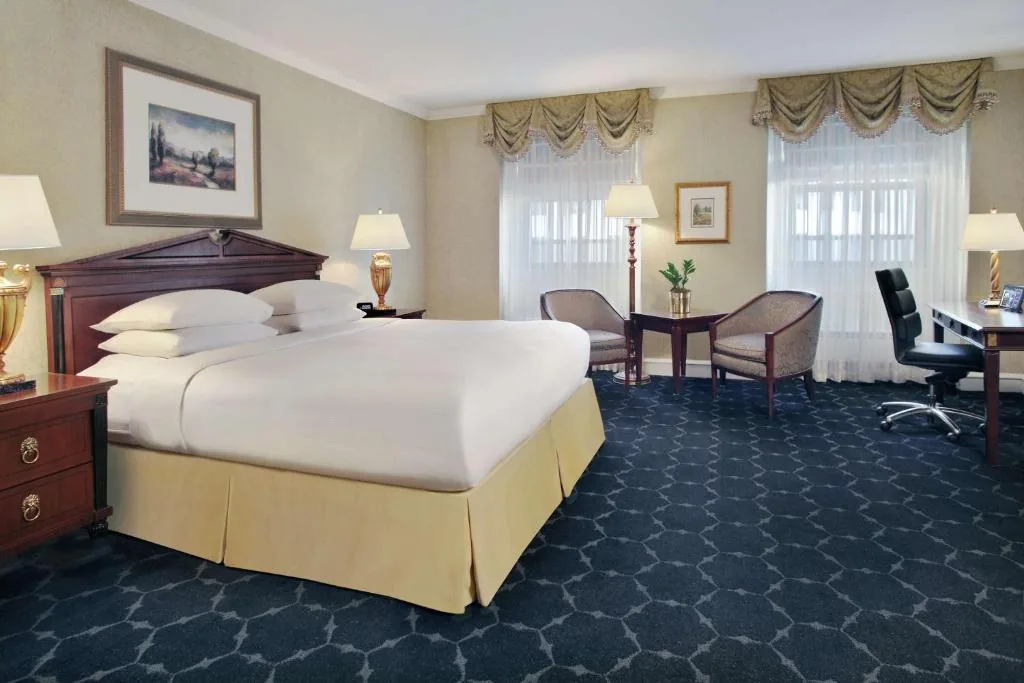
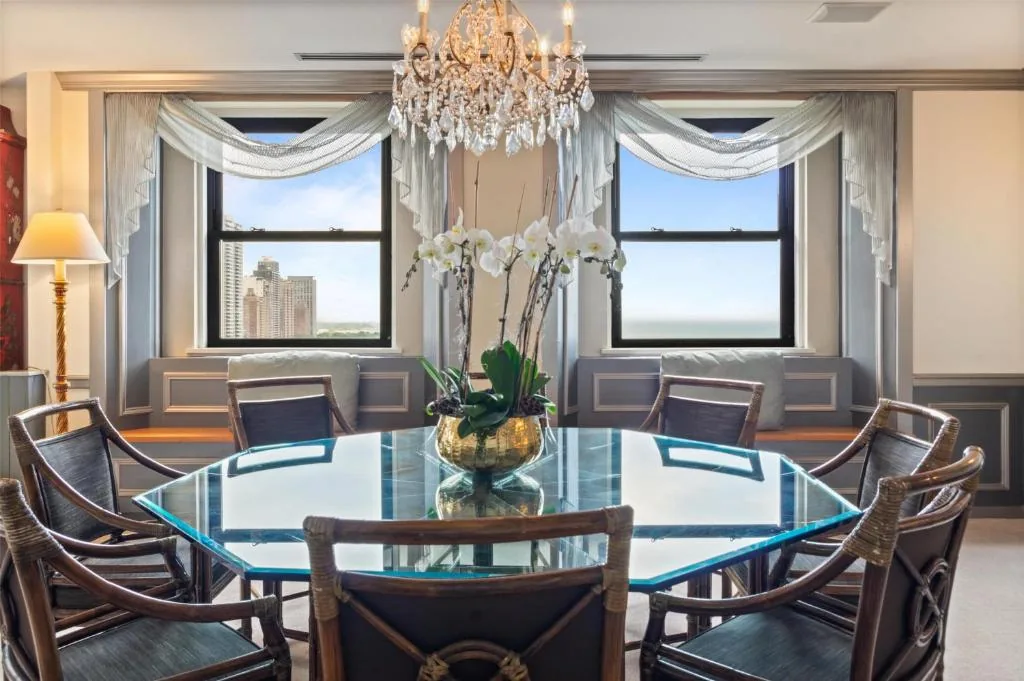
- The Old World elegance is the heart of its appeal. Reviewers love the grand lobby full of crystal chandeliers, the upholstered walls and high ceilings, and a vintage, almost Plaza-like ambiance that feels worlds away from the city's trend-driven hotels.
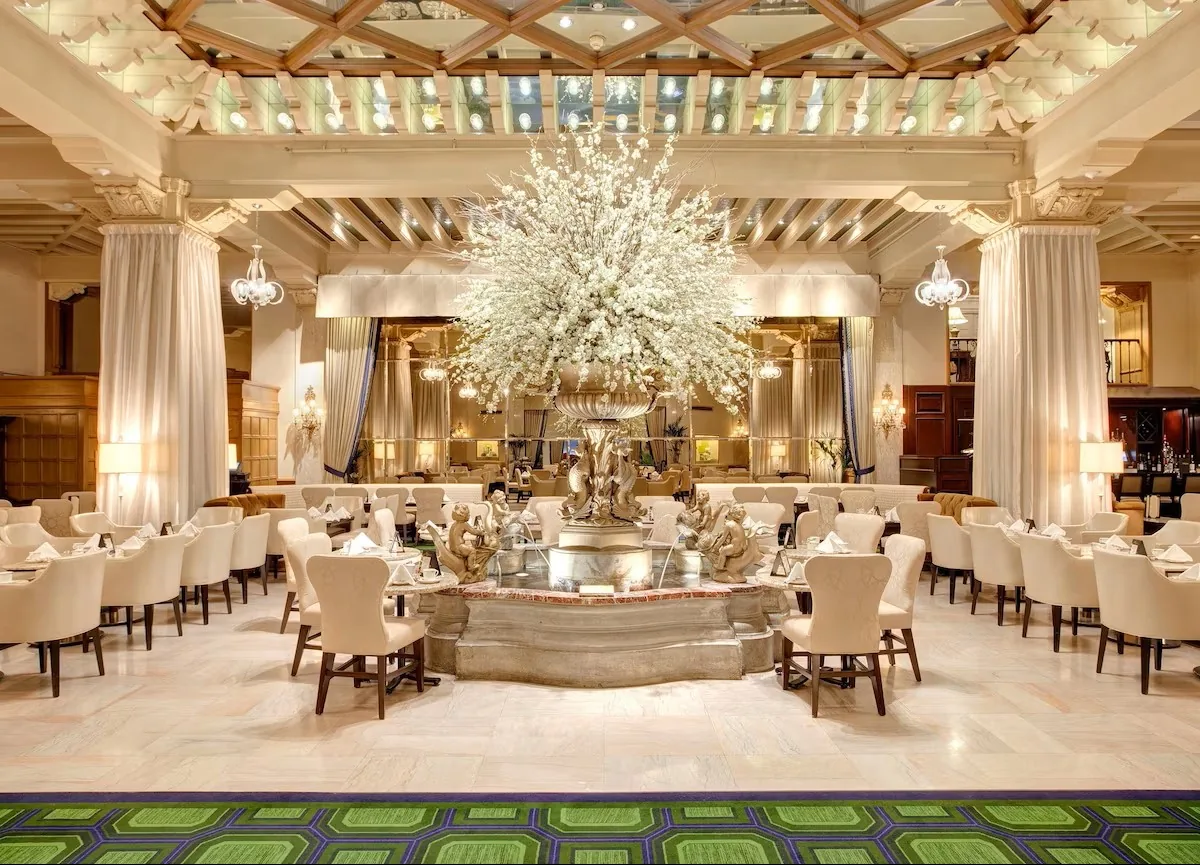
- The traditions are beloved. The Palm Court serves a daily afternoon tea beneath a sparkling fountain and live harp music, while the wood-paneled Coq d'Or — one of the first bars to open in Chicago after Prohibition — offers live jazz on weekend nights. Grand event spaces like the Gold Coast Room keep the hotel at the center of the city's social life.
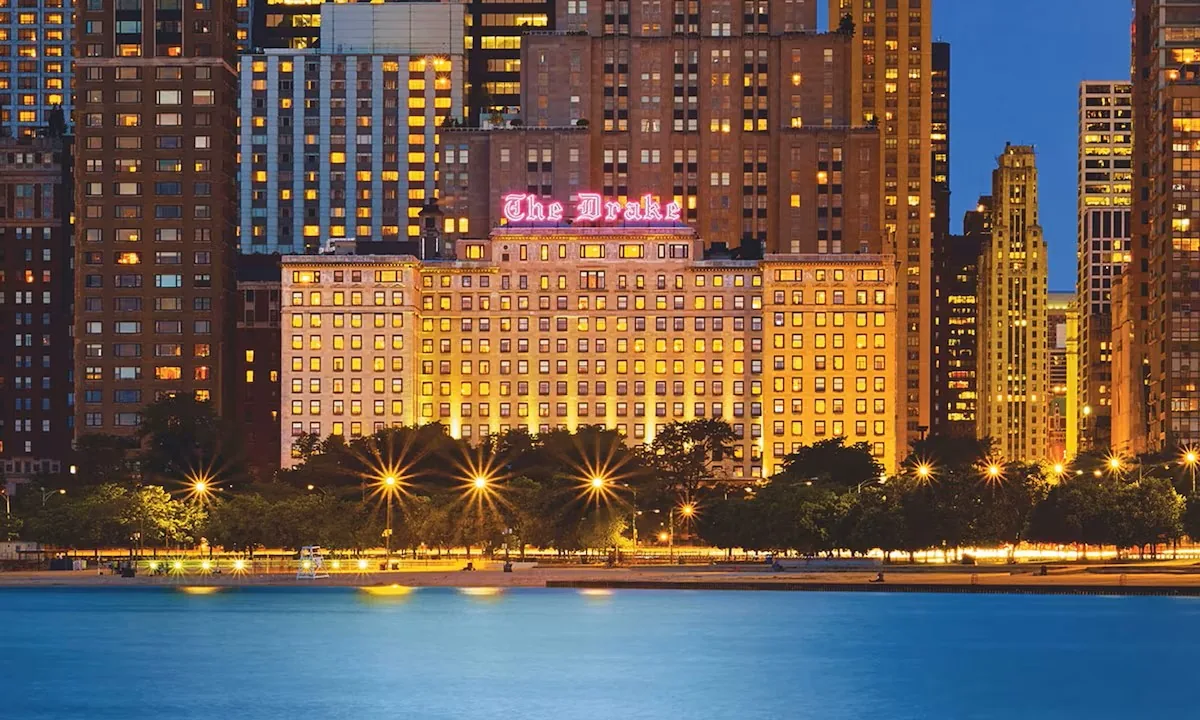
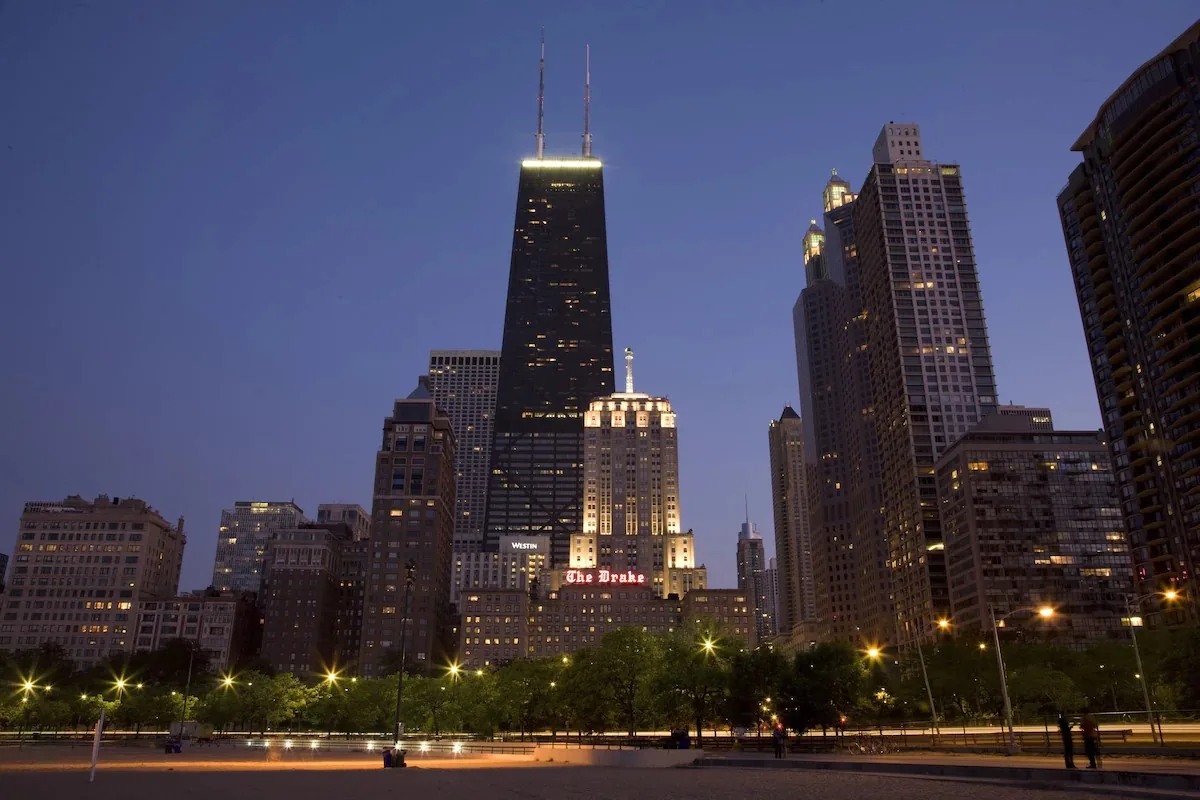
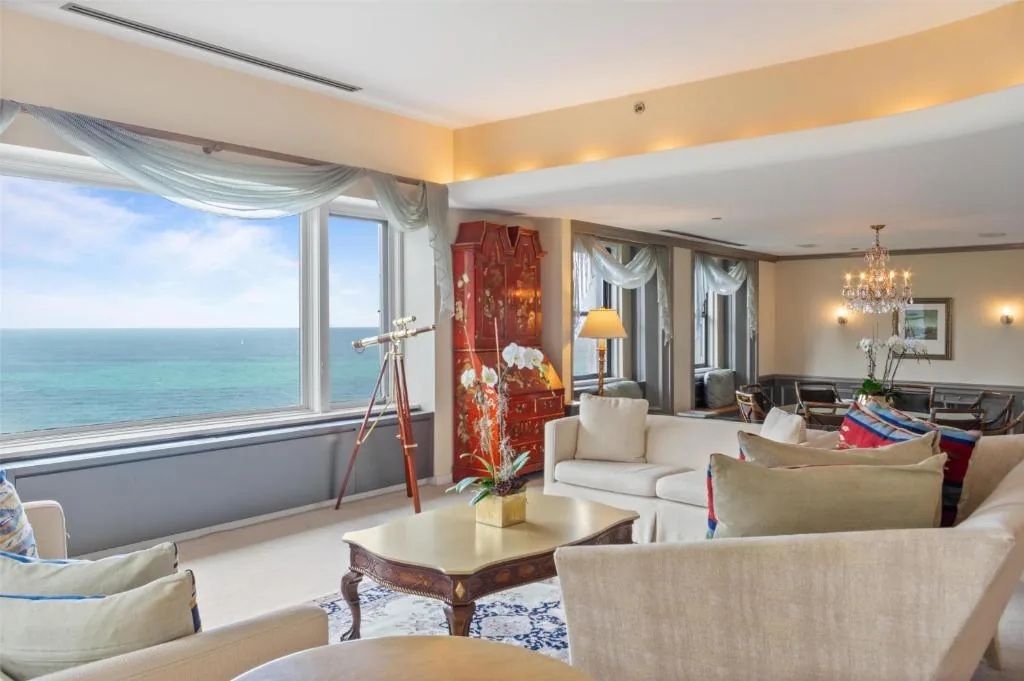
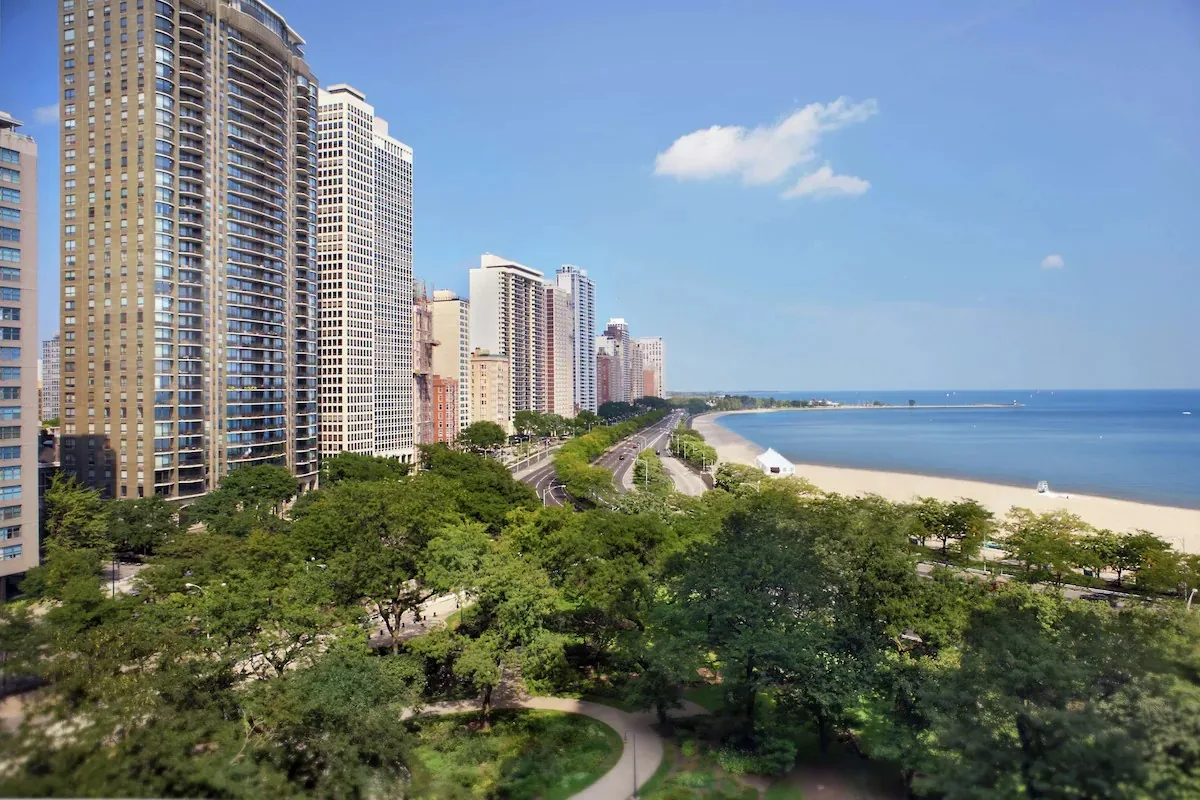
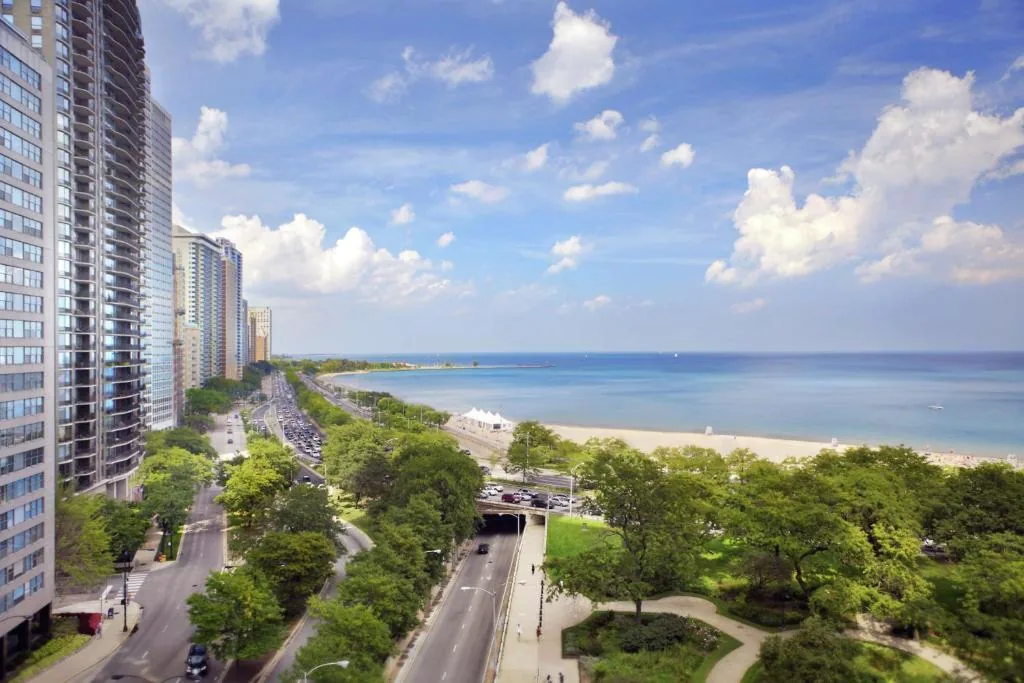
- And the location is exceptional: where Michigan Avenue meets Lake Shore Drive, with sweeping Lake Michigan views, on the Magnificent Mile, steps from the Oak Street boutique shopping district. Guests frequently describe the staff as gracious and first-class, and the rooms as large and comfortable.
What to keep in mind
- A century-old grande dame — some rooms feel dated
- Large, busy hotel with frequent events & weddings
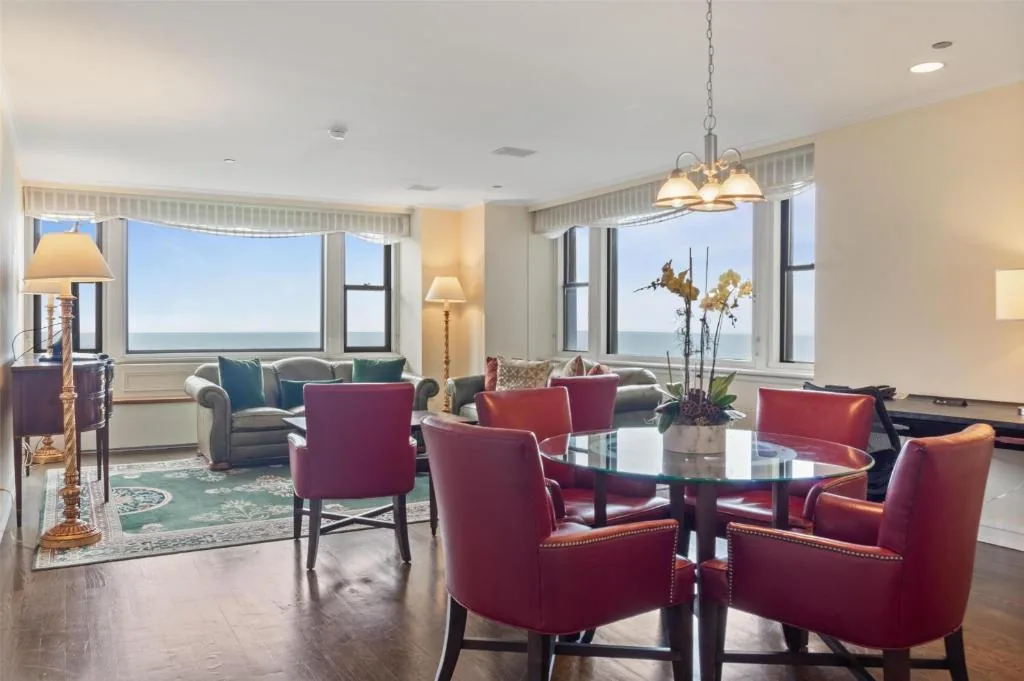
Best for Ideal for travelers who want a storied, elegant, classic-Chicago experience in a prestigious Gold Coast location with lake views — couples, special-occasion guests, afternoon-tea seekers, and history lovers among them. If you require fully modernized rooms and bathrooms, request an updated room category and lean into the vintage charm.
Summary of guest reviews. Sources: Date, architects and the district’s building list from the East Lake Shore Drive District designation report (Commission on Chicago Landmarks), p. 10. The Drake Hotel, Commission on Chicago Landmarks, Preservation Chicago. Photography courtesy of The Drake, used with permission. Details may change over time.
Why this building matters
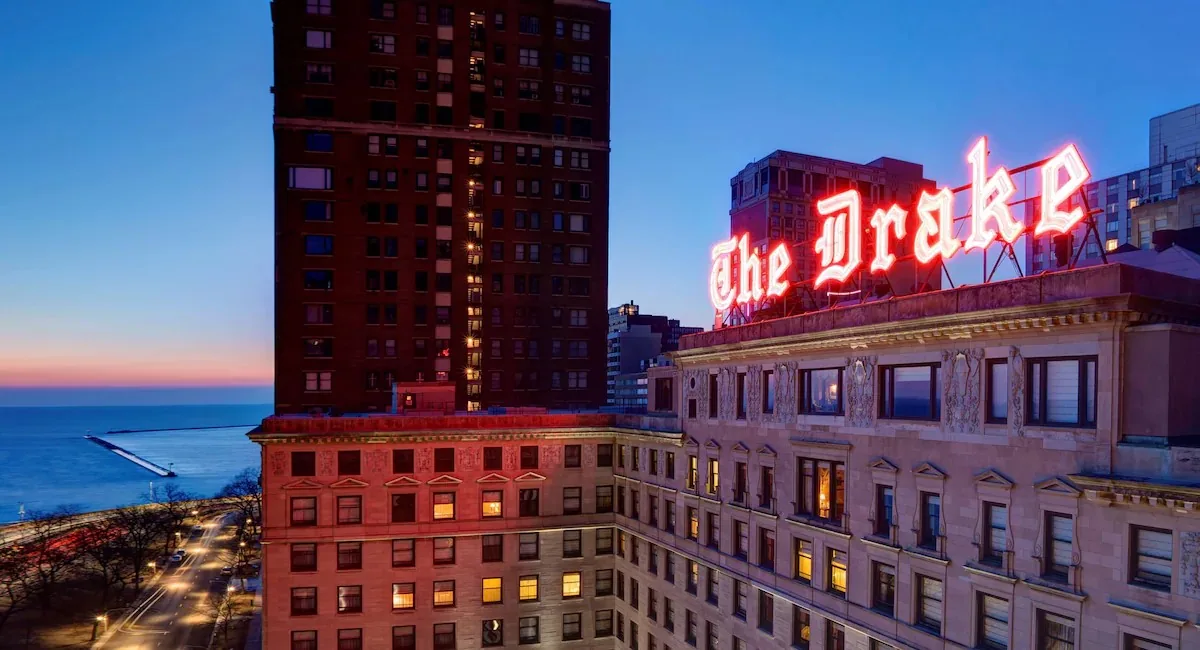
Opened in 1920 and designed by Benjamin Marshall in the Italian Renaissance style, The Drake has anchored the corner where Michigan Avenue meets Lake Shore Drive for over a century. Queen Elizabeth II took tea here; Princess Diana, Winston Churchill, and a long line of presidents stayed. Its rooftop neon sign is a beloved part of the skyline, and the Palm Court tea service and Coq d'Or bar carry traditions that have barely changed in a hundred years.
The hotel’s Cape Cod Room, which opened in 1933 and was reportedly the nation’s first themed restaurant, closed on January 1, 2017 after eighty-four years. One piece of it outlasted the restaurant. Newly married, Marilyn Monroe and Joe DiMaggio carved their initials into the wooden bar counter, and the counter survives — it can still be seen on the hotel’s history tour.
The East Lake Shore Drive District designation report confirms the essentials in a line — “140 East Walton Street (Drake Hotel): designed by Marshall and Fox and constructed in 1920” — and places the hotel at the head of a remarkably concentrated block. The same short stretch holds the Drake Tower Apartments of 1929 by Benjamin H. Marshall working alone, the 1924 Mayfair Regent by Fugard and Knapp, and a 1915 building by Marshall & Fox again. One firm, and one of its partners, shaped most of what a visitor sees here.
The Drake family
The Drake name was on Chicago hotels for two generations before this building went up. John Burroughs Drake (1826–1895) became a partner in 1855 in the firm running the Tremont House, bought the hotel outright in 1868, and lost it to the Chicago Fire in 1871. In 1874 he became proprietor of the Grand Pacific Hotel. The designation report records his national reputation as “the most skilful hotelkeeper in the United States.” He was a founder of the Chicago Commercial Club and of Presbyterian Hospital, and served as a fire commissioner.
His sons Tracy Corey Drake and John Drake Jr. built the Blackstone Hotel, completed in 1910 on South Michigan Avenue. In 1919 the brothers formed the Whitestone Hotel Company to finance and operate a comparably luxurious hotel on North Michigan Avenue, and work began that year. The other stockholders included Louis G. and Edward F. Swift, J. Ogden Armour, and Honore and Potter Palmer Jr. — the sons of Potter and Bertha Palmer of the Palmer House.
Marshall and Fox
Benjamin Marshall (1874–1944) had no formal architectural schooling. Educated at the Harvard School in Kenwood, he went to work at nineteen for the Chicago architect Horatio Wilson and was a partner in Wilson’s firm by twenty-one. He opened an office with Charles Fox in 1905, a partnership that lasted until 1923. Fox (1870–1926) came to Chicago from Reading, Pennsylvania in 1890, having trained in civil engineering and architecture with Holabird and Root. He was twice president of the Illinois Society of Architects and the first president of the Architects’ Club of Chicago.
The firm designed the Blackstone in 1910, the South Shore Country Club in 1916, the Edgewater Beach Hotel in 1921, and four of the apartment buildings that stand east of the Drake on East Lake Shore Drive. In March 1919, while the hotel was going up, The Economist reported that it would be “of unusual magnificence, nothing like it in appearance, arrangement or finishing having ever been attempted in this country.”
Thirteen stories of limestone
The Drake is thirteen stories of smooth gray limestone. It rises from a rectangular base that changes at the third story into an H, a plan that gave the guest rooms air and light on all four exposures.
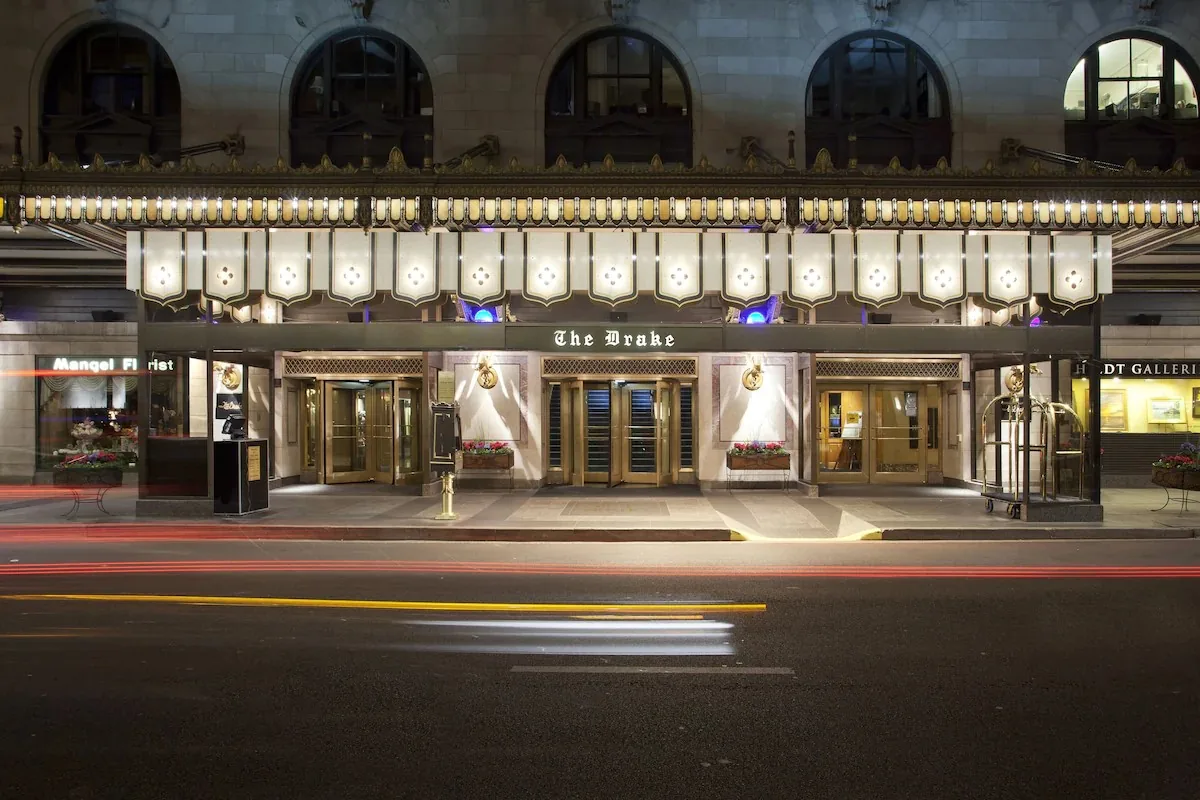
The public rooms sit on a piano nobile, which in Italian Renaissance design is the principal story raised above the ground. The report calls that arrangement especially suited to a hotel “ideally located to afford a panoramic view of park, beach, and lake.” On the East Lake Shore Drive front, pilasters and columns frame the long windows of the grand ballroom; on the Michigan Avenue and Walton Place fronts, full-length arched windows each enclose a triangular pediment.
Good Furniture magazine praised the interior in 1921 for “a reposeful spirit of welcome and home surroundings planned in a large and, to be sure, more or less monumental way,” and for avoiding “the traditional theatrical spirit of the big modern hotel.” The Camellia House supper club was designed by Dorothy Draper in 1941.