









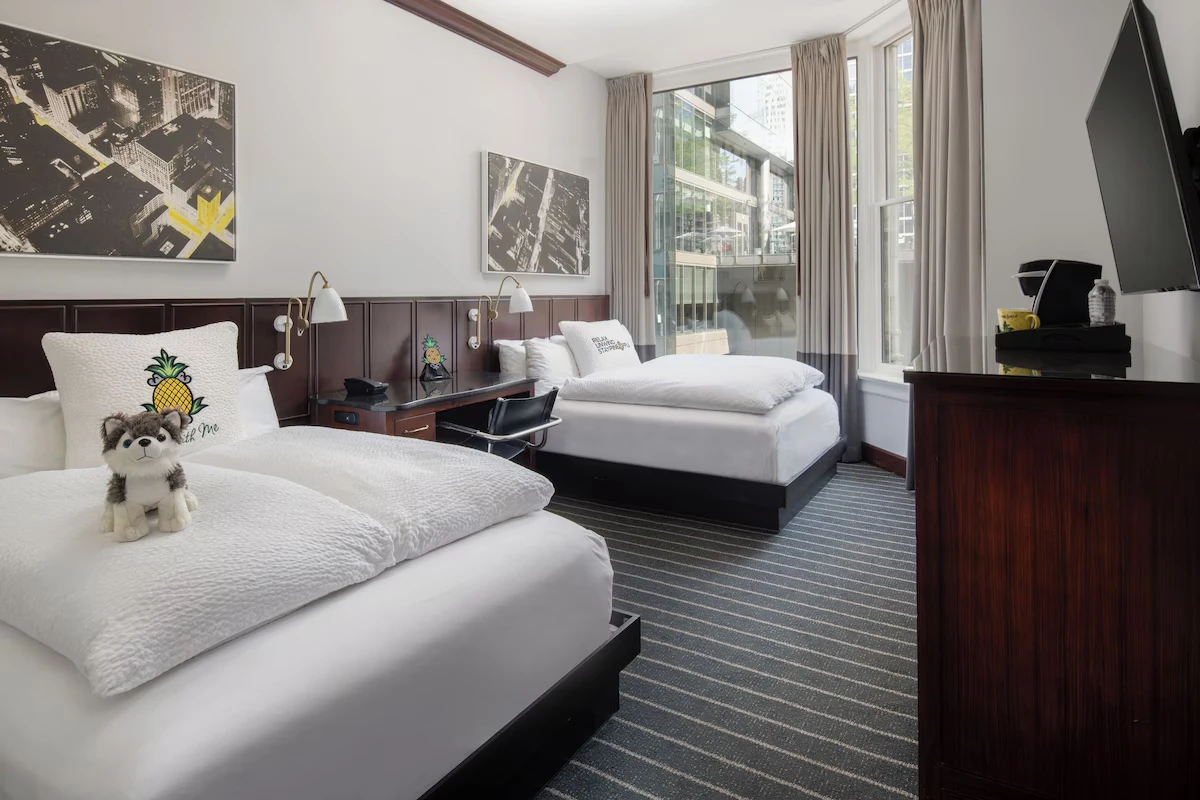
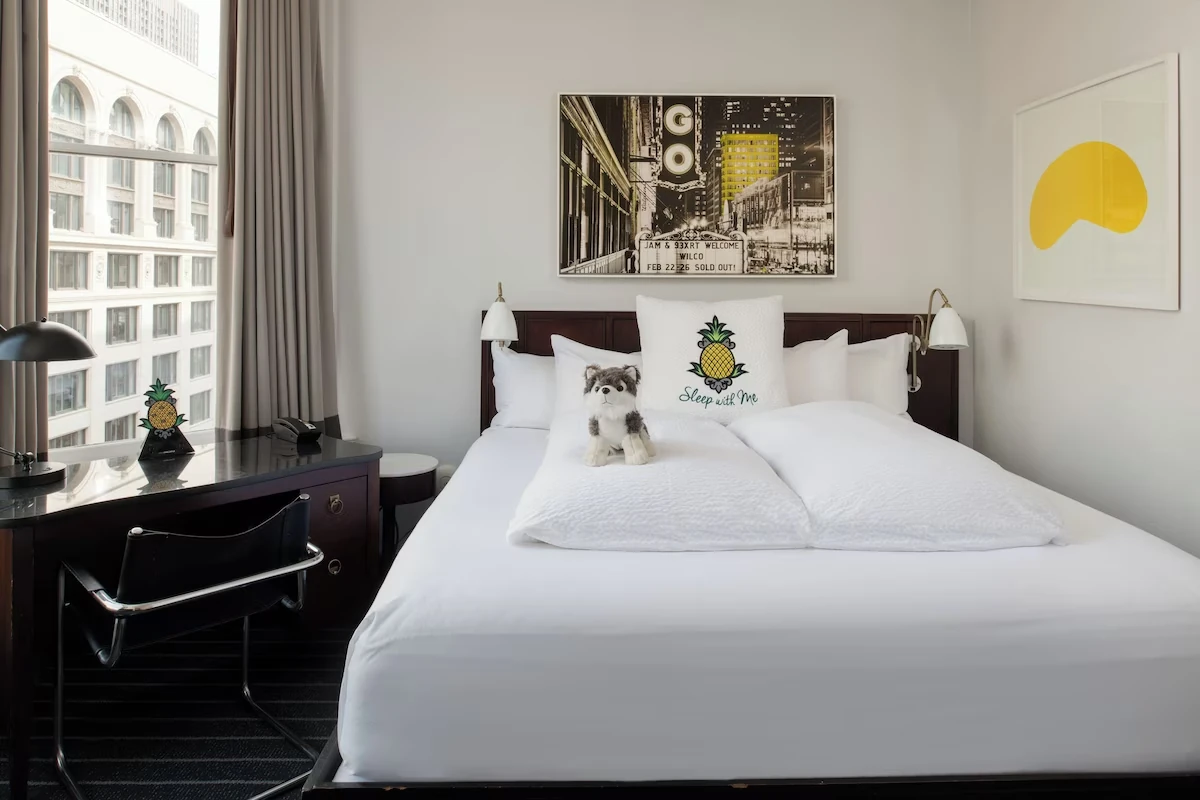


What guests are saying
What guests love
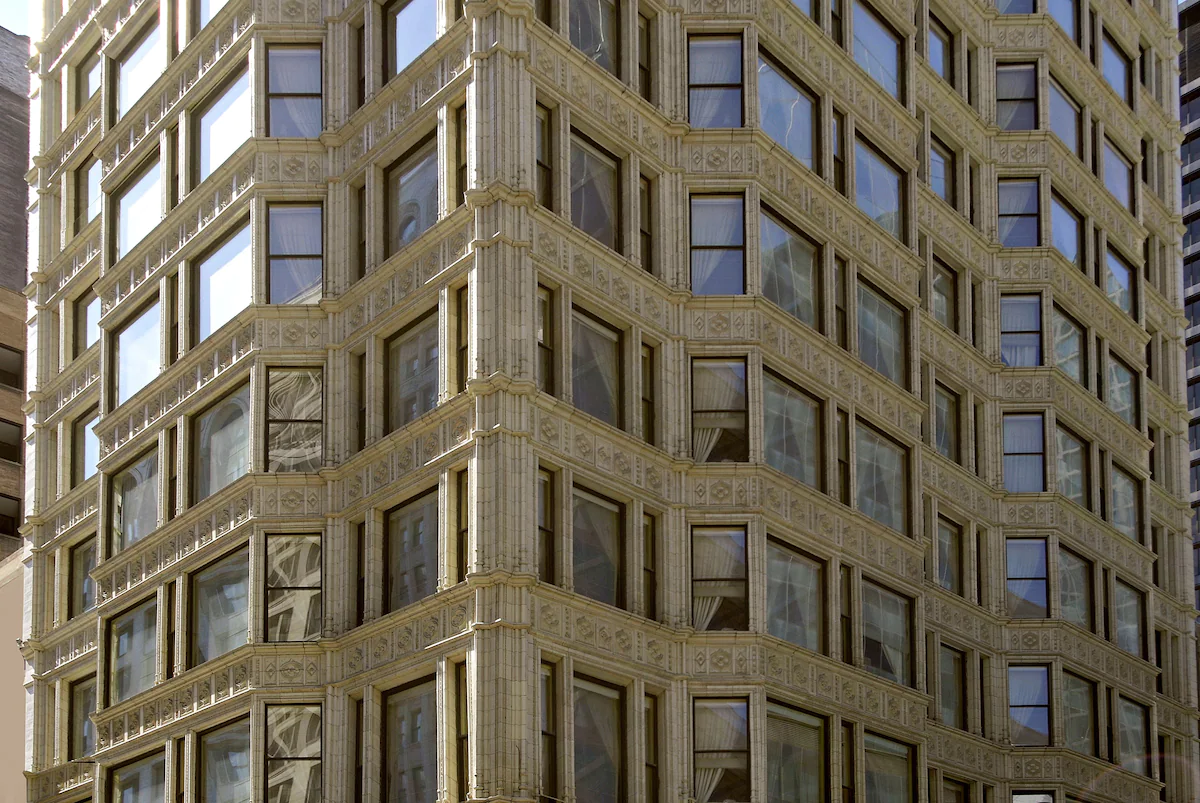
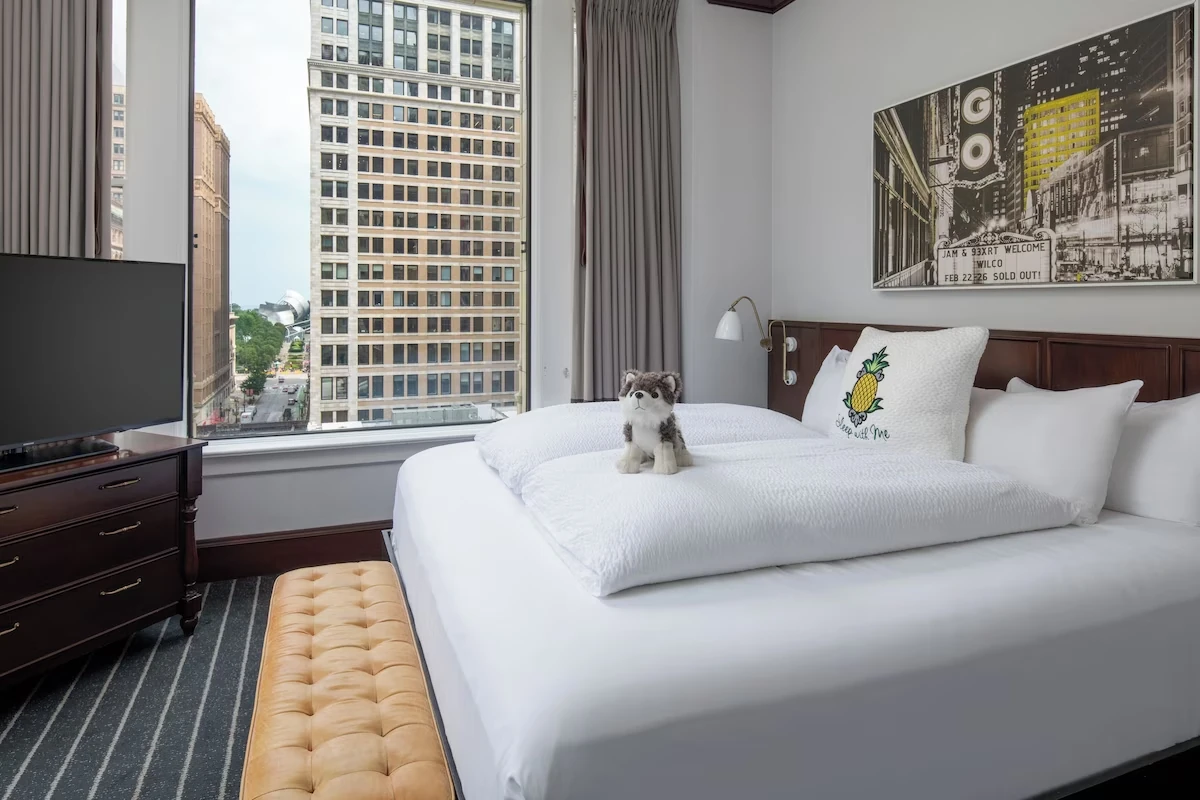
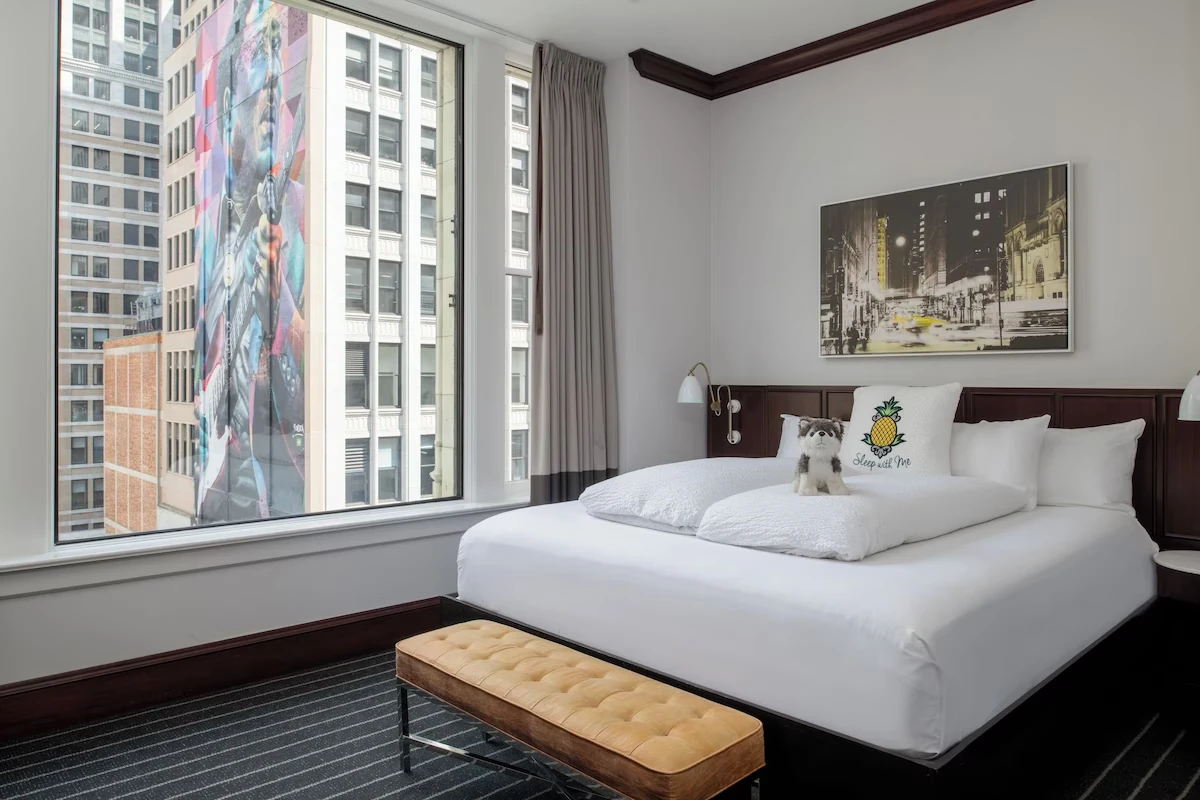
- Sleeping inside a genuine landmark of world architecture — the proto-modern skyscraper.
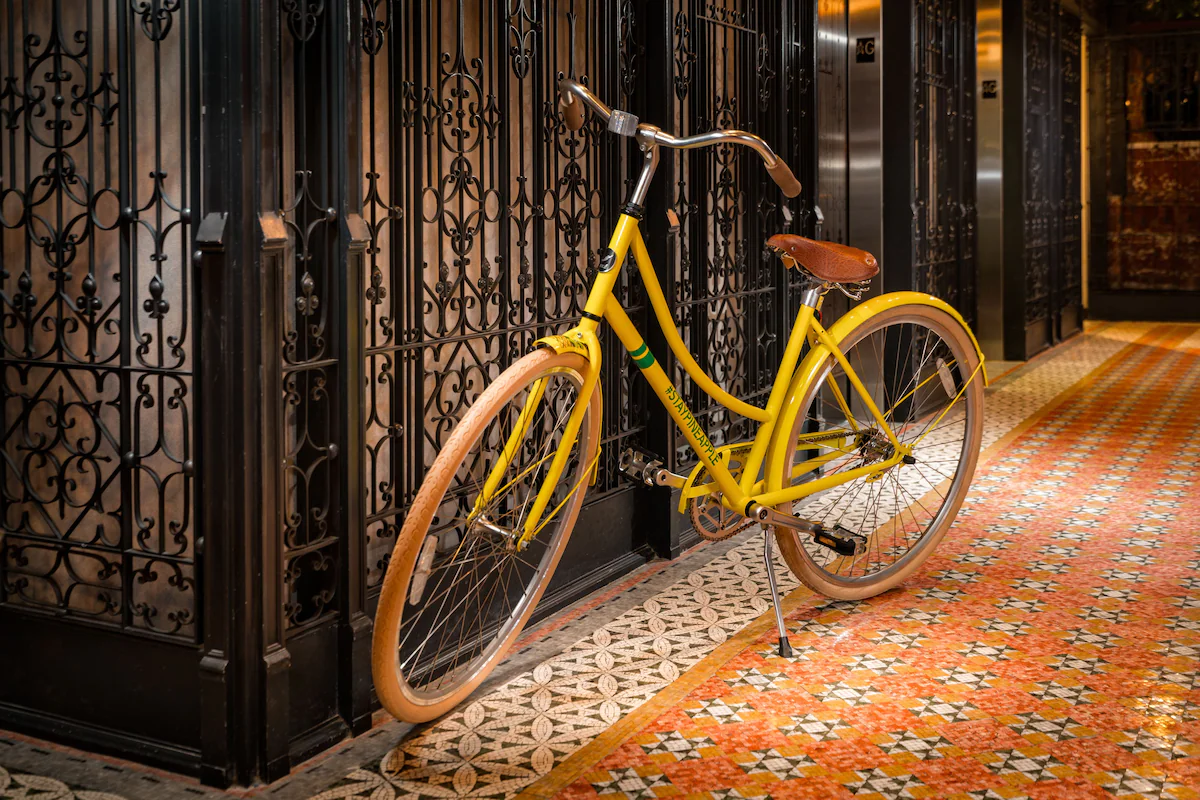
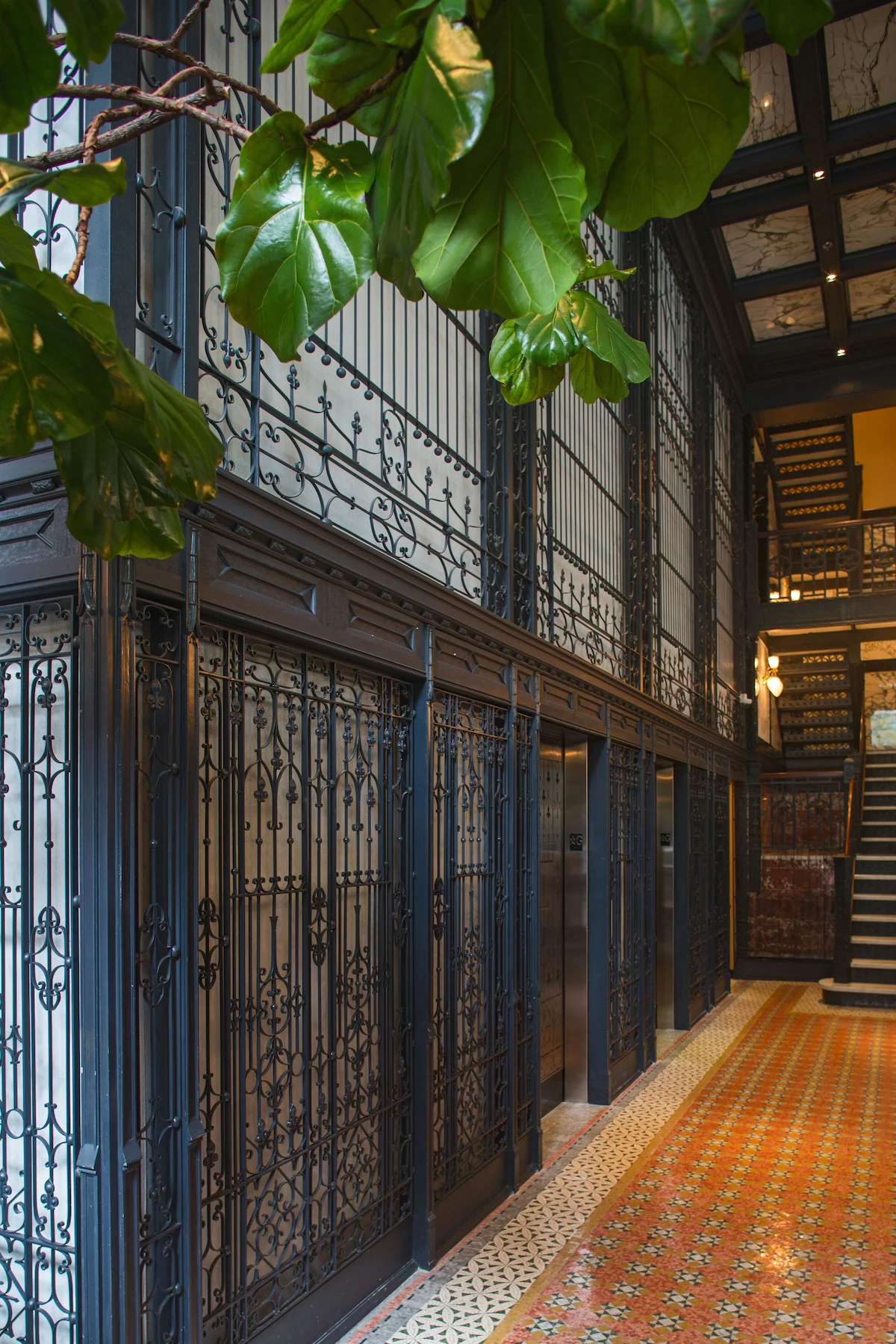
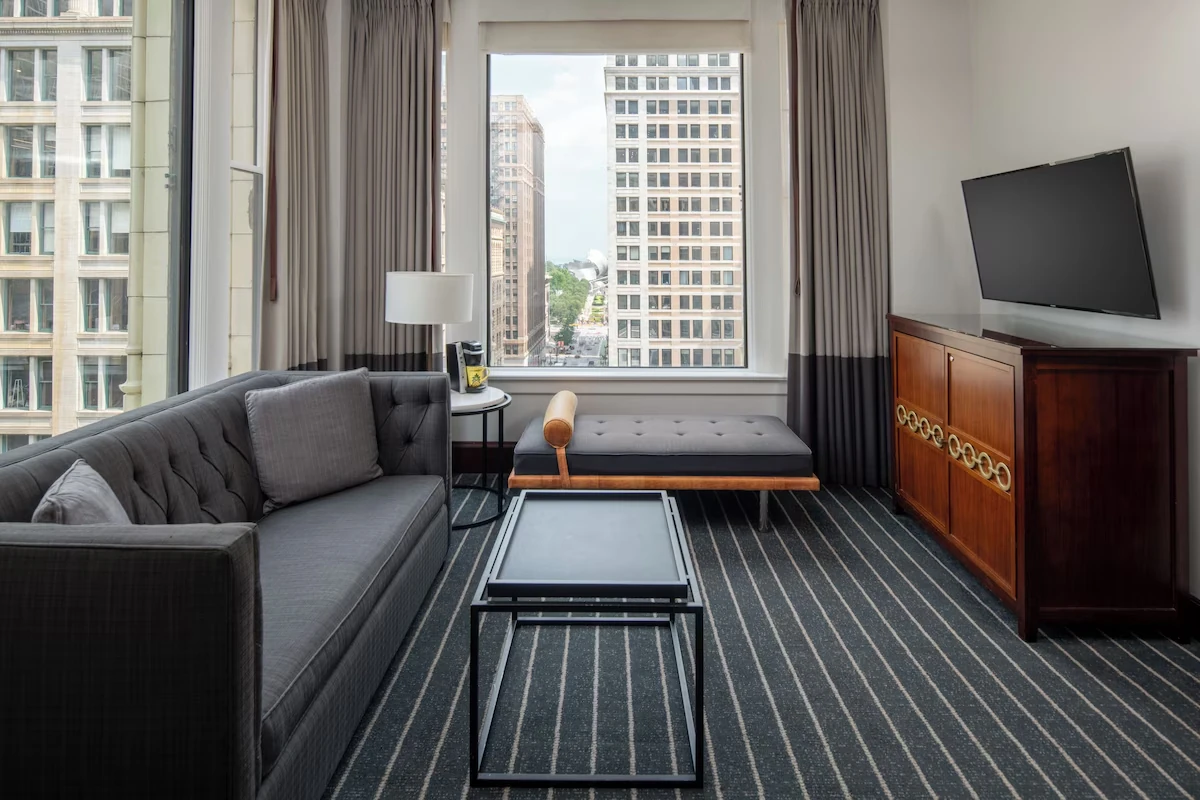
- Original details like the ornate elevator lobbies and those famous expanses of glass.
- A dead-center Loop location at State and Washington, two blocks from Millennium Park.
What to keep in mind
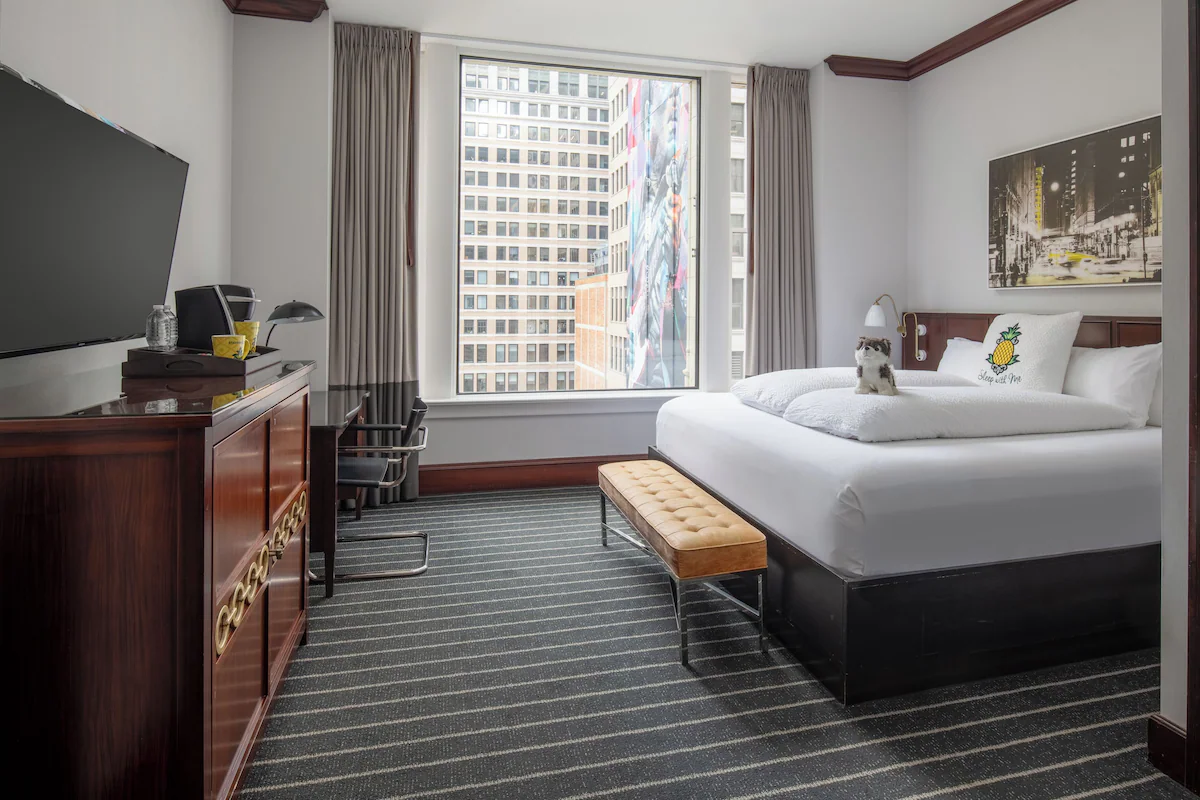
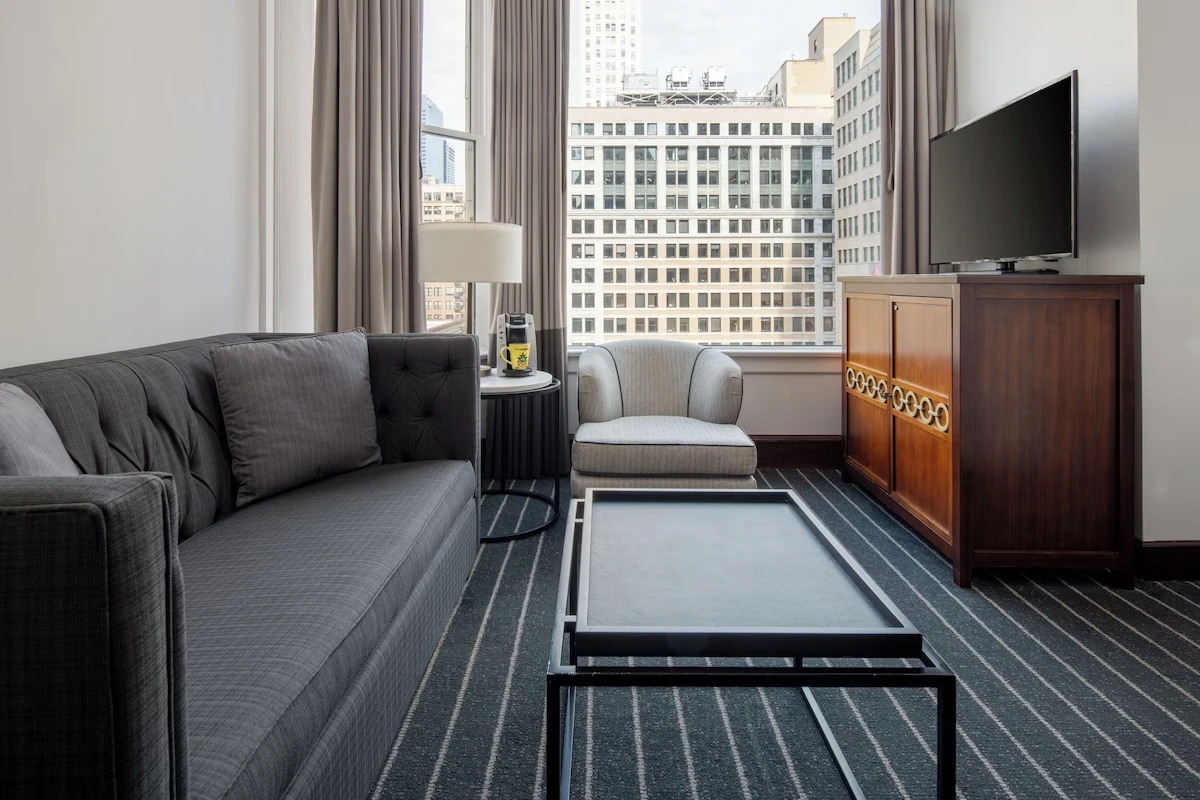
- A 19th-century tower — rooms and windows vary
- A busy State Street corner
Best for Architecture lovers who want to sleep inside one of the buildings that invented the modern skyscraper.
Summary of guest reviews. Sources: Staypineapple, An Iconic Hotel, The Loop (Reliance Building), Commission on Chicago Landmarks, Preservation Chicago. Construction history and the quoted passage from Frank A. Randall, History of the Development of Building Construction in Chicago (University of Illinois Press, 1949), p. 143. Photography courtesy of Staypineapple, An Iconic Hotel, The Loop, An Iconic Hotel, The Loop (Reliance Building), used with permission. Details may change over time.
Why this building matters
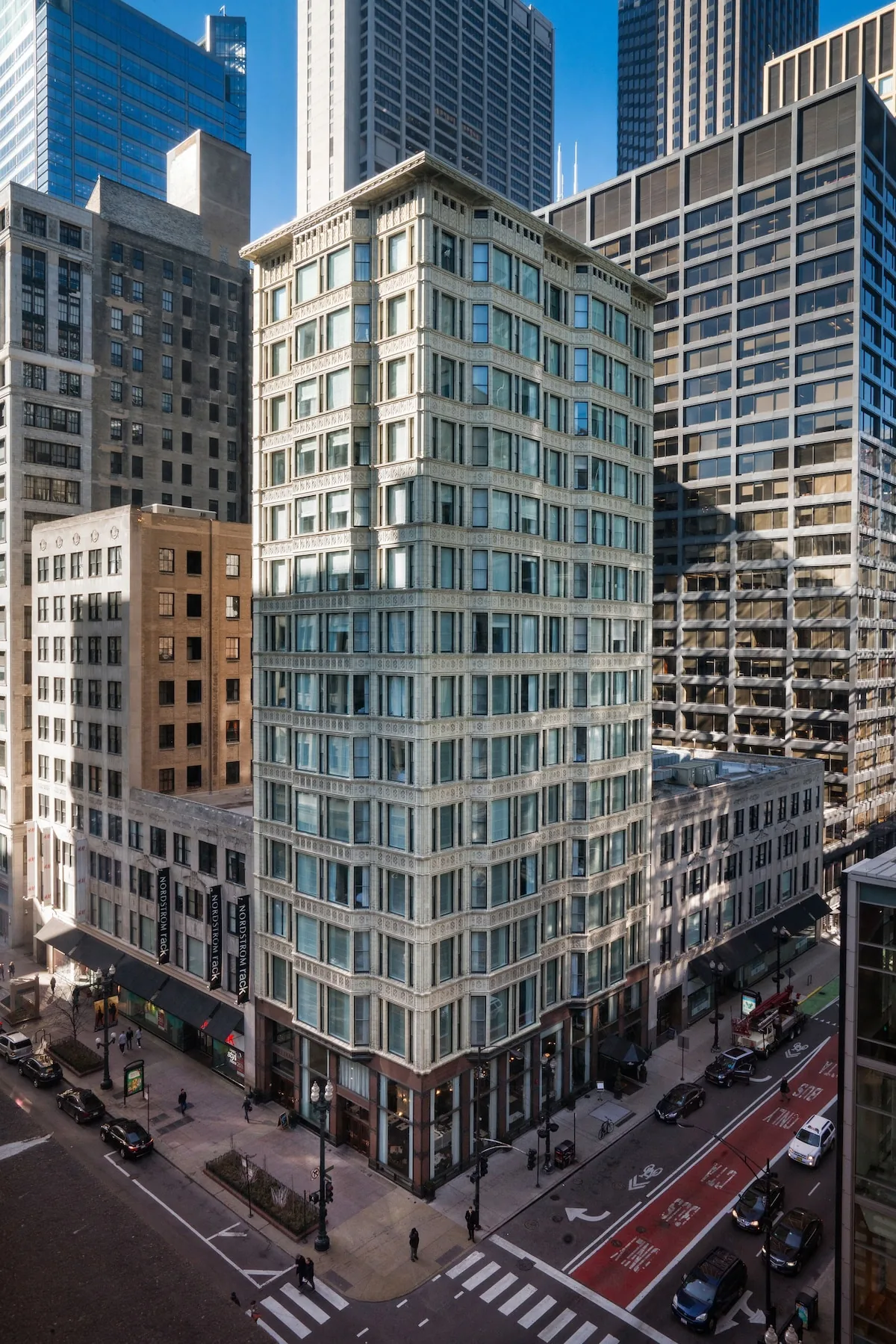
Completed in two stages — the base in 1890 under Burnham & Root and the soaring upper floors in 1895 to a design by Charles Atwood of D. H. Burnham & Co. — the Reliance Building wrapped its steel frame in glass and white glazed terra cotta, prefiguring the glass curtain wall by half a century. A celebrated restoration in the 1990s brought the long-neglected landmark back as a hotel; today it is Staypineapple, with its quirky, cheerful style inside a true Chicago School masterpiece.
Frank A. Randall’s History of the Development of Building Construction in Chicago records the two campaigns precisely. The 1890 building rose just four stories and a basement, with beams and rails laid into its spread foundations. Five years later D. H. Burnham & Co., with E. C. Shankland as engineer, added ten stories and carried it to 200 feet, using gray columns with plate and lattice girders to take the wind.
The speed of that addition is the part worth pausing over. “The steel for the upper stories was erected in 15 days from July 16 to August 1, 1895,” Randall writes, “while the lower floors were occupied by the tenants.” Ten stories of steel went up over State Street in a fortnight, and the shops below never shut. Randall also lists where the building was documented at the time — a floor plan, a steel framing plan, photographs of the erection itself, and details of the terra-cotta front, spandrel sections and column splices — which is the kind of record a building only gets when the profession knows it is watching something new.
It has been a Chicago Landmark since July 11, 1975, and is a National Historic Landmark and on the National Register besides.
Explore more like this
Chicago School & working buildings · hotels in historic Chicago buildings · historic hotels near Millennium Park