







What guests are saying
What guests love
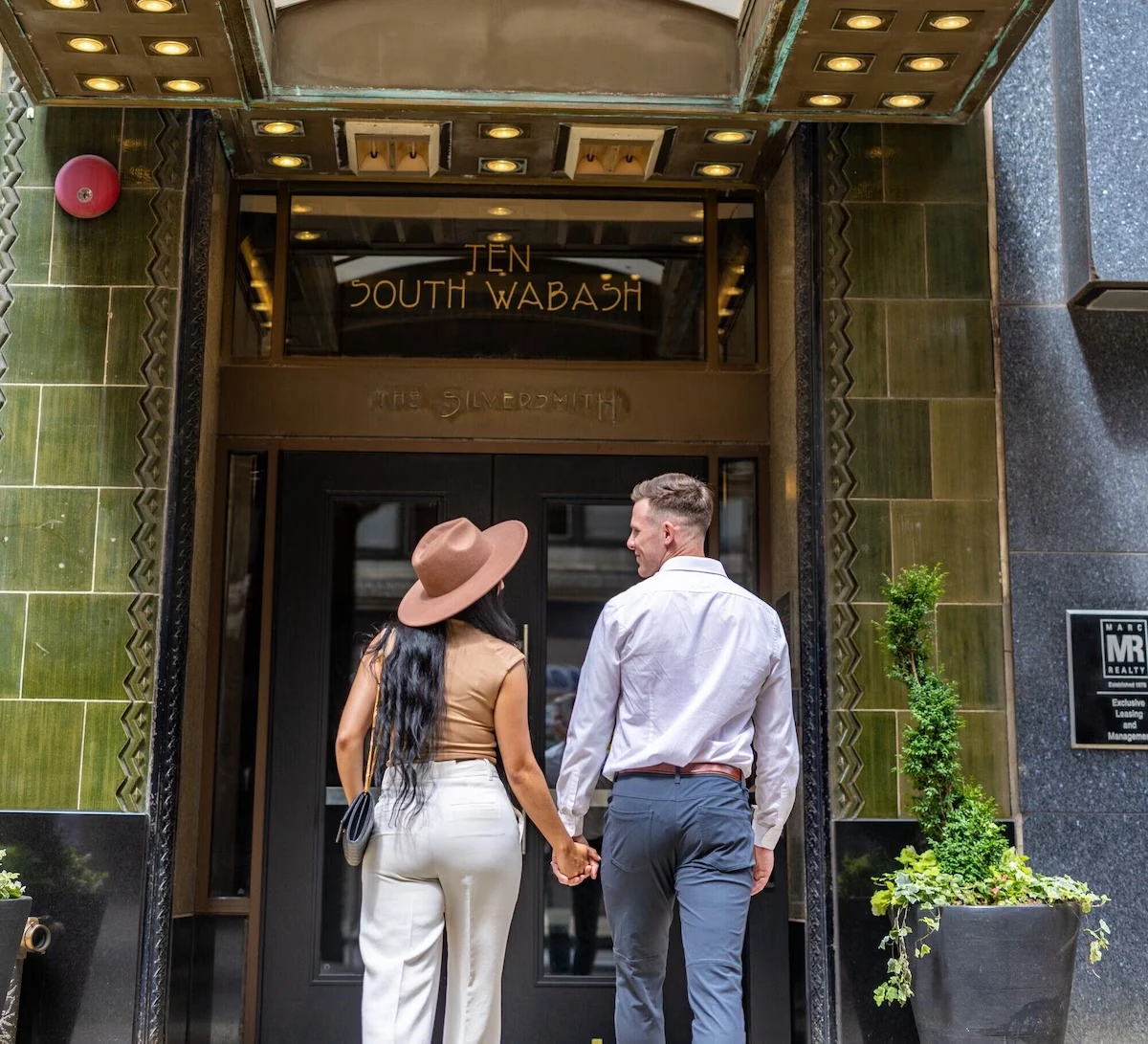
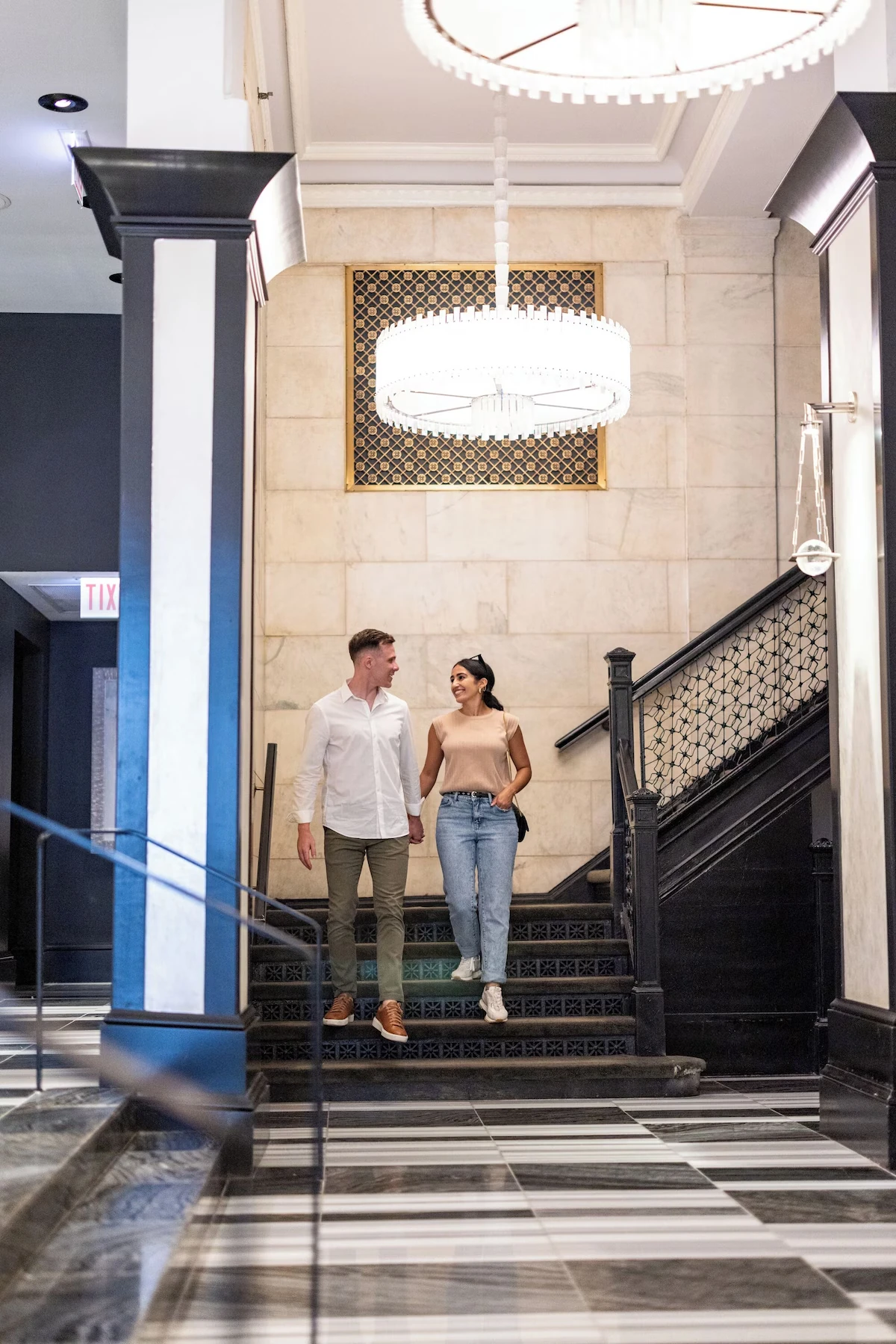
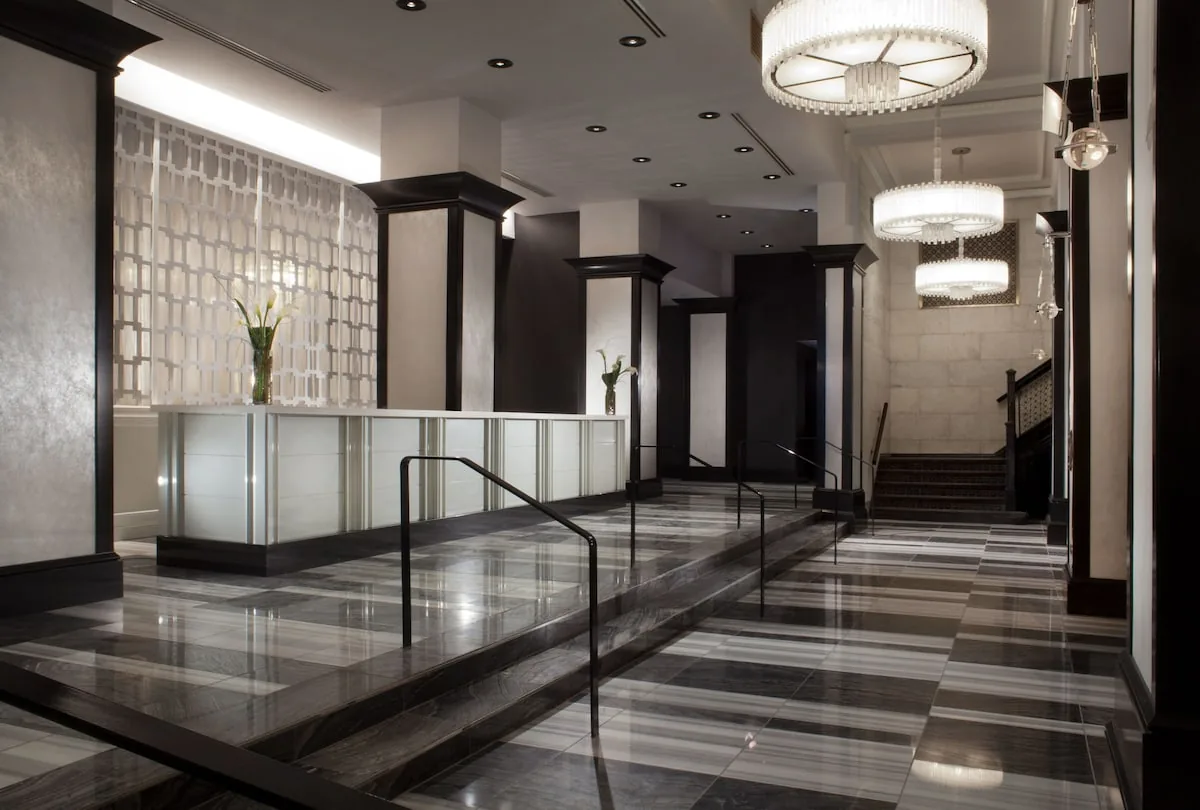
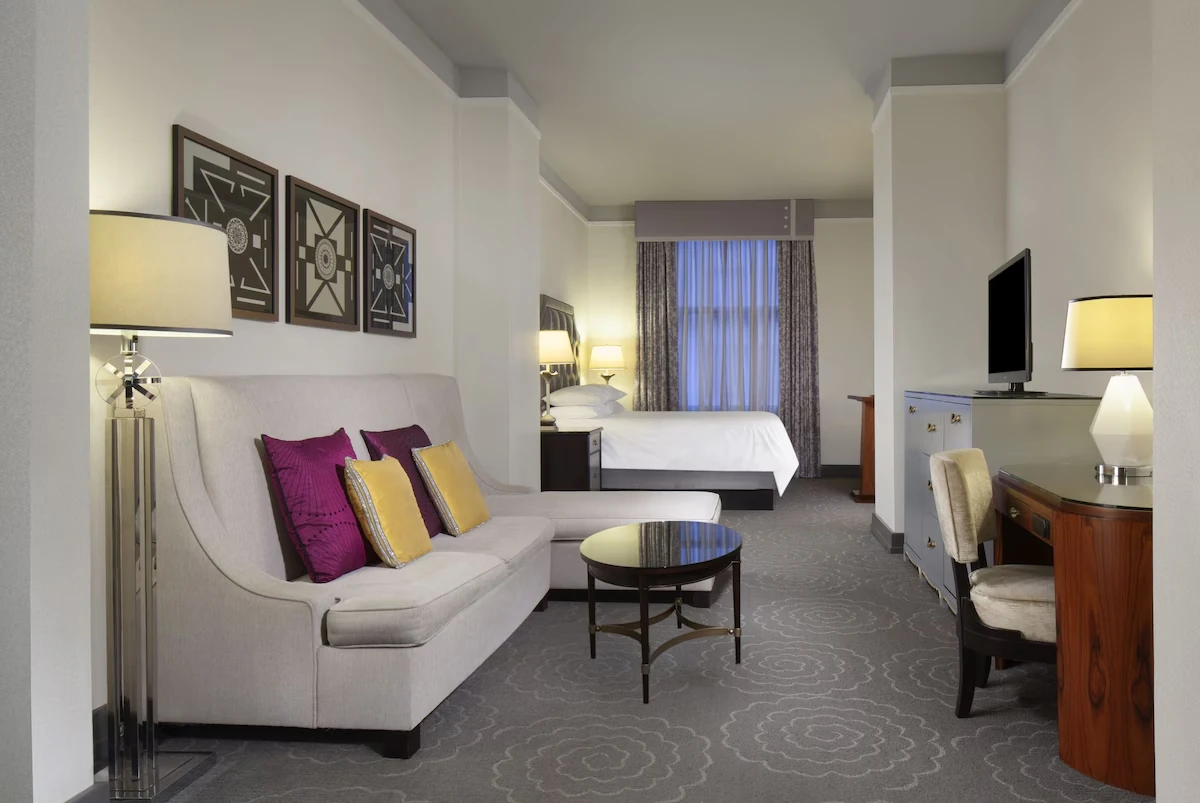
- Genuine landmark character: 12-foot ceilings, oversized windows with cushioned seats, and warm Arts-and-Crafts-inspired interiors with dark oak and period detailing.
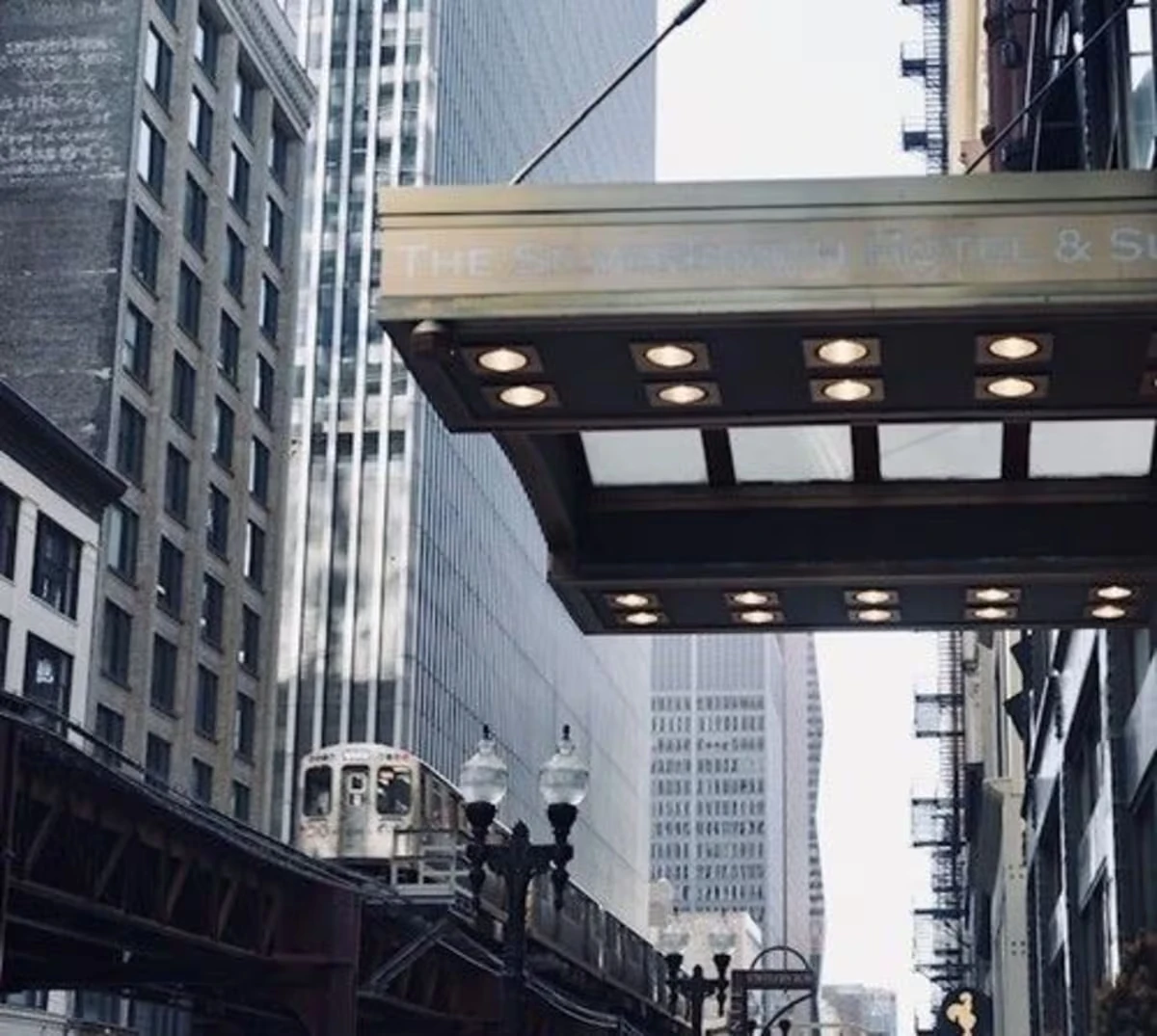
- A central Loop address on Jewelers Row — a four-minute walk to Millennium Park, the Art Institute, and the Chicago Theatre, with the L at the corner.
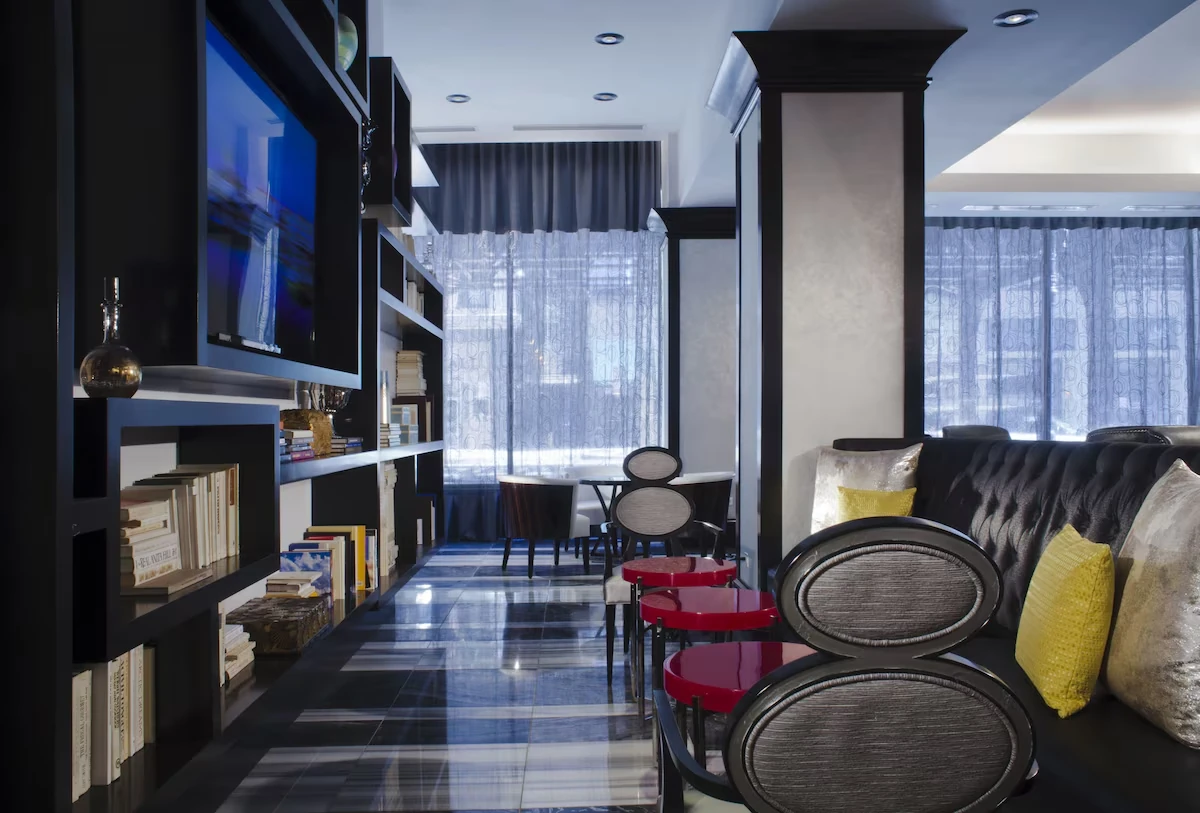
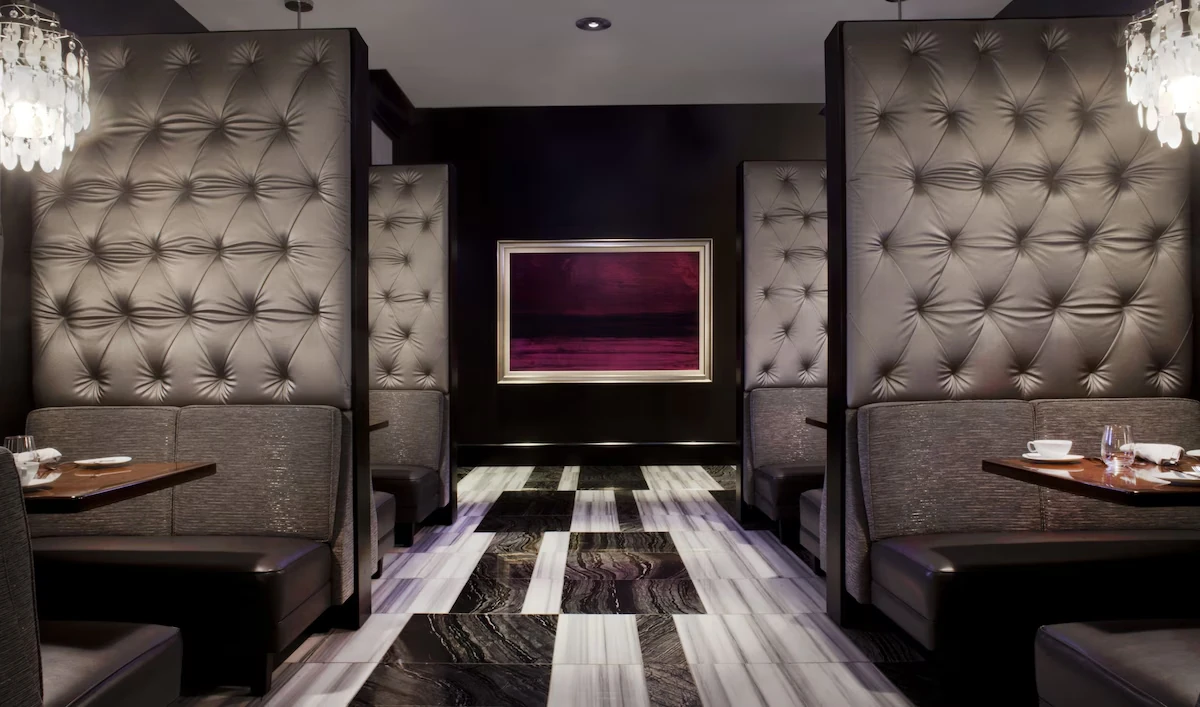
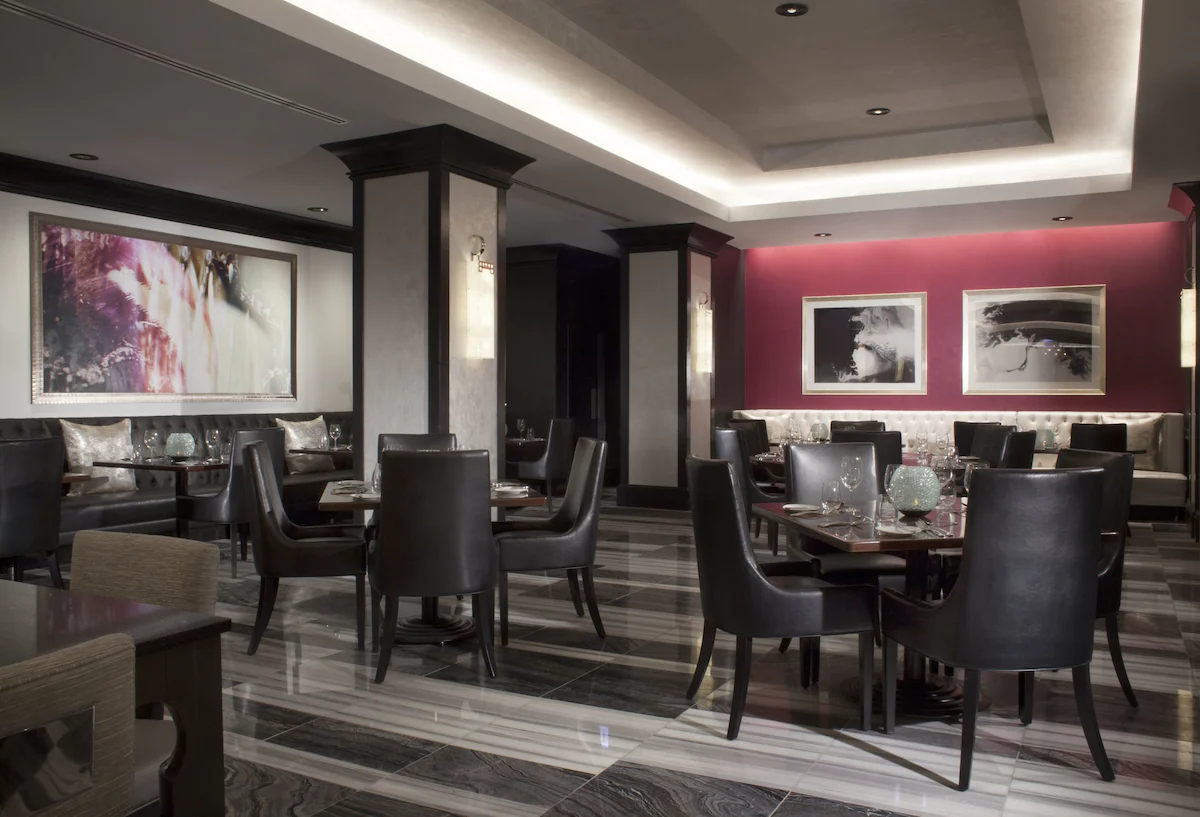
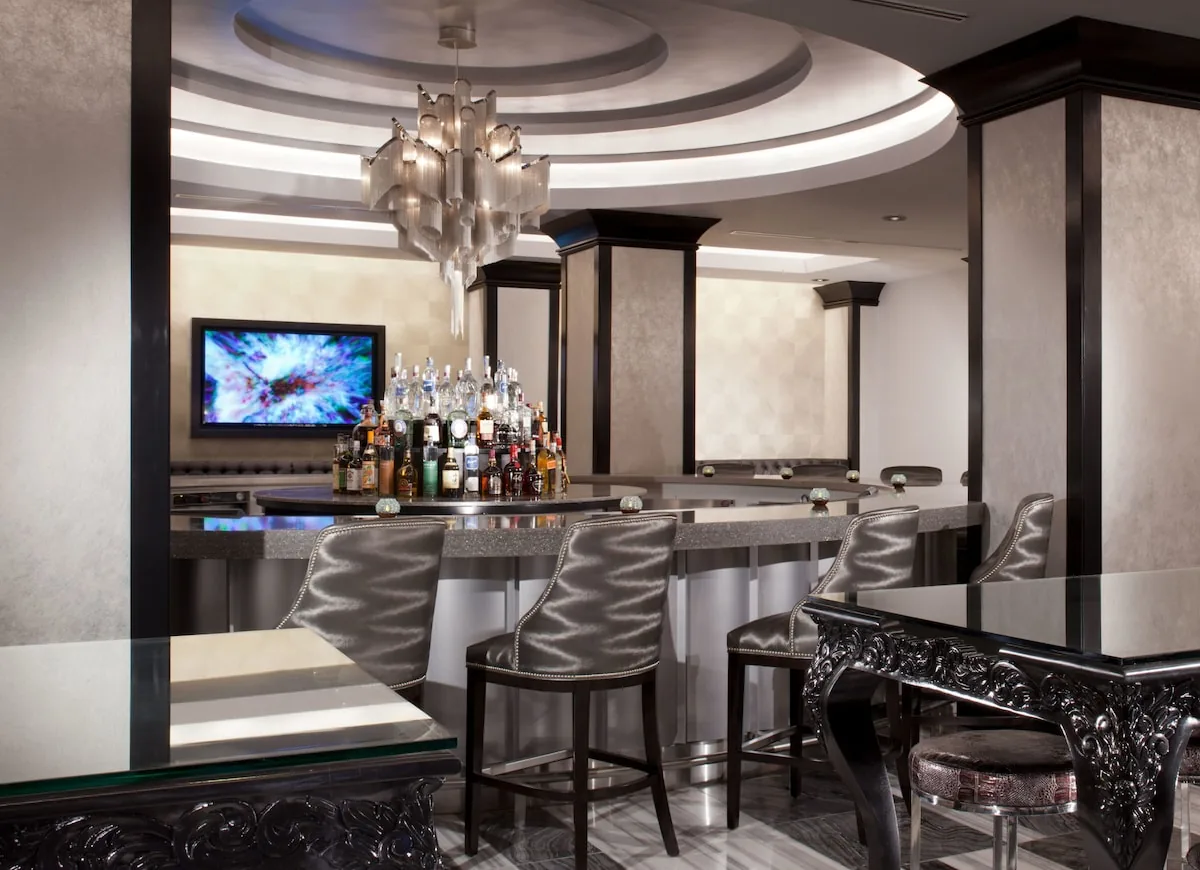
- The lobby’s Adamus Lounge for modern American plates and cocktails, and the quiet, residential feel once you’re upstairs.
What to keep in mind
- A late-1890s building — rooms and layouts vary
- Elevated tracks are nearby; request a courtyard-facing room for quiet
Best for Architecture lovers and history-minded travelers who want a genuine landmark stay in the heart of the Loop, within walking distance of the city’s cultural core.
Summary of guest reviews. Sources: Construction date, architect, facade and the quoted phrases from the Jewelers Row District designation report (Commission on Chicago Landmarks, designated July 9, 2003), pp. 9, 13 and 16. The Silversmith Hotel, Commission on Chicago Landmarks, Preservation Chicago. Photography courtesy of Silversmith Hotel Chicago Downtown, used with permission. Details may change over time.
Why this building matters
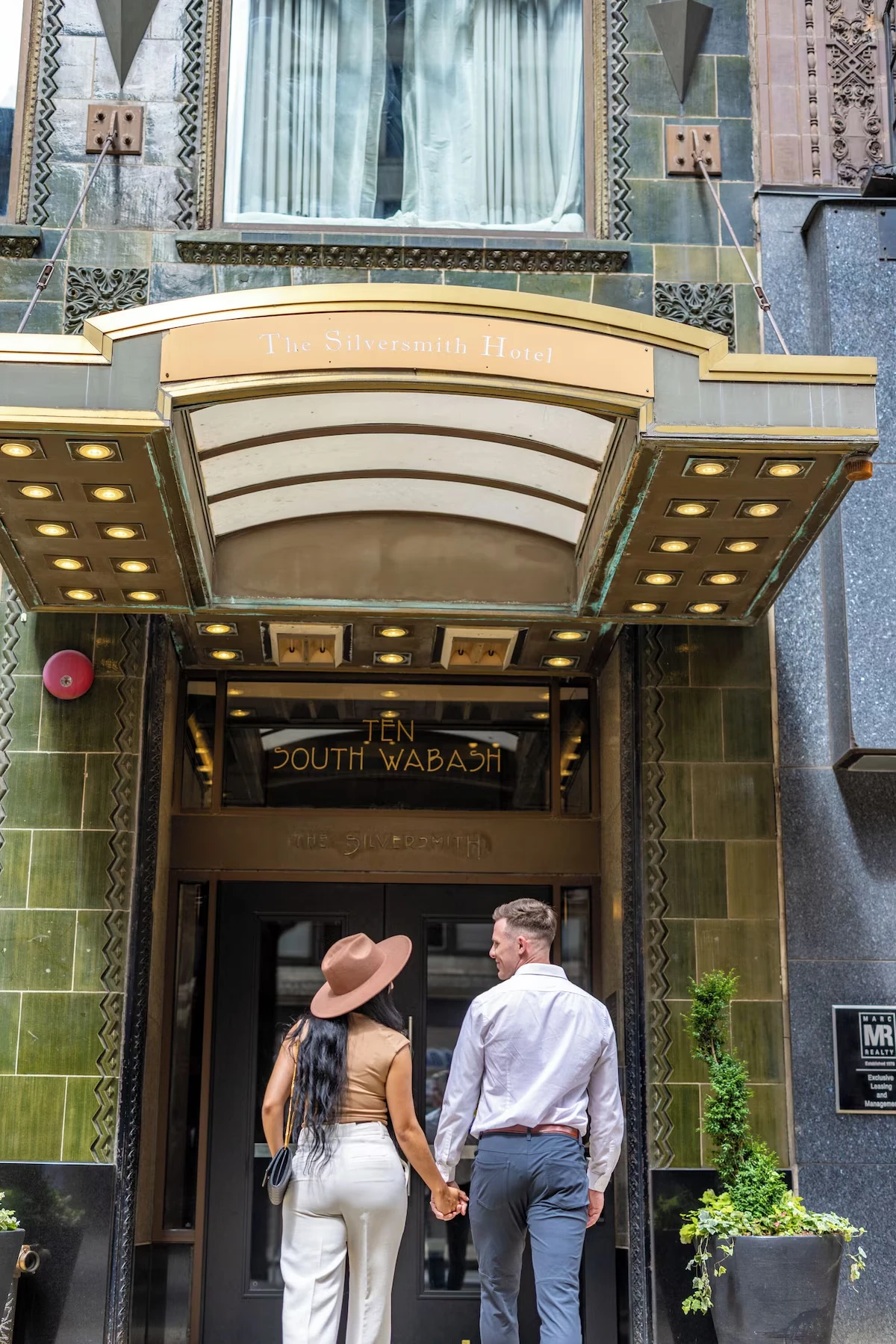
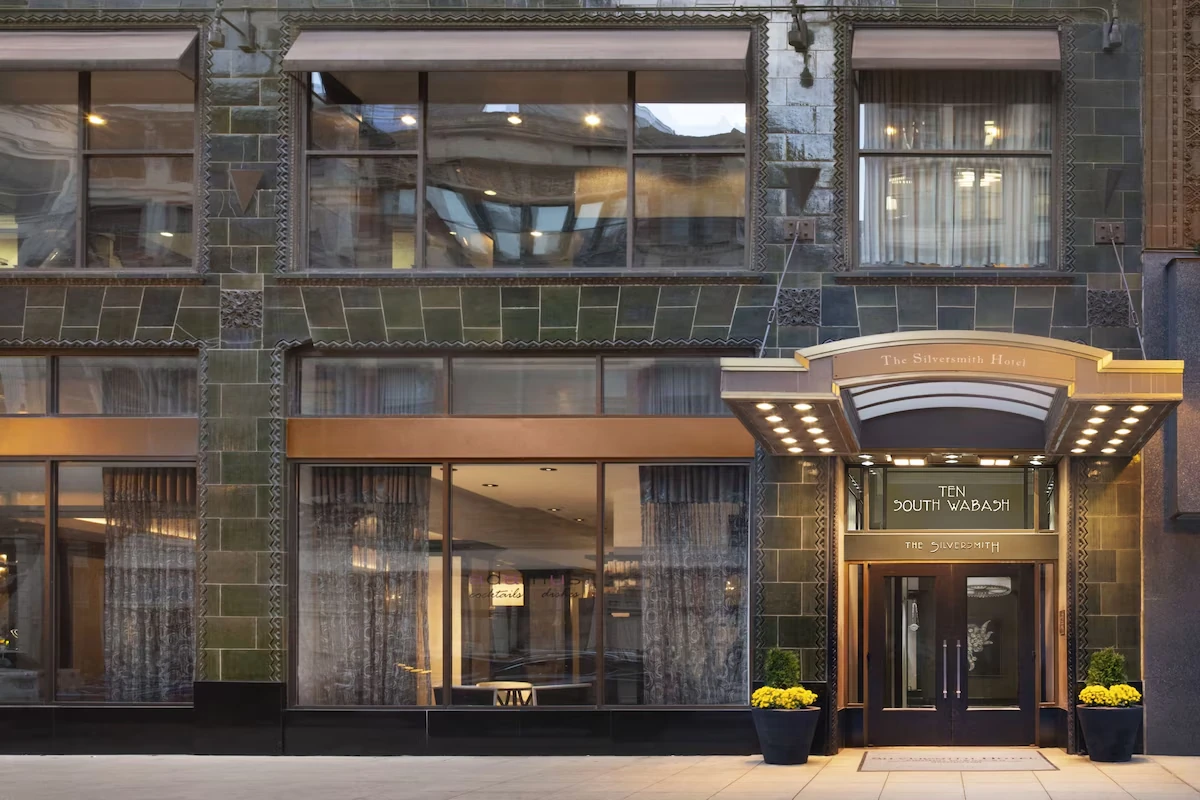
Built in 1896 and designed by Peter J. Weber of D.H. Burnham & Company, the Silversmith Building was commissioned by jewelry and silver firms and rose in the heart of Wabash Avenue’s Jewelers Row. Its upper floors were built as unsubdivided loft space for the silver manufacturers who took them. It was listed on the National Register of Historic Places in 1997 and converted into a boutique hotel, with the terra-cotta facade restored.
The Jewelers Row District designation report gives the building a distinction the hotel rarely claims for itself. As rising State Street rents pushed small jewelers, custom manufacturers and specialty firms east onto Wabash, a run of new loft and office buildings went up to take them — and of those, the report records, the Silversmith was “the first of these buildings built specifically for the silverware business.” Its early tenants were silver manufacturers and company representatives, Gorham and Oneida Community among them.
The report describes the building in a line: it “has a distinctive red-brick and green terra-cotta facade in the Romanesque Revival style.” It is a loft building in the strict sense — a steel frame with unsubdivided upper floors, put up for people who needed uninterrupted daylight and room to work rather than for display.
D. H. Burnham & Co. designed five buildings in the district: the Silversmith, the Heyworth, the Goodard, the Stevens and the Marshall Field Annex. The Jewelers Row District has been a Chicago Landmark since July 9, 2003.
Read the Silversmith's history on Historic Hotels of America →
The firm that built it
D. H. Burnham and Co. was founded in 1892 and managed by Daniel H. Burnham (1846–1912). The designation report calls it the first Chicago architectural office to have a substantial nationwide practice, and counts more than 220 buildings designed between the firm’s founding and Burnham’s death in 1912.
Five of them stand in this district alone. Beyond it, the same report names the Reliance Building — now a hotel a few blocks west, and one of the buildings that made the Chicago skyscraper legible to the rest of the world.
Explore more like this
more Gilded Age & Beaux-Arts hotels · more historic hotels near Millennium Park