



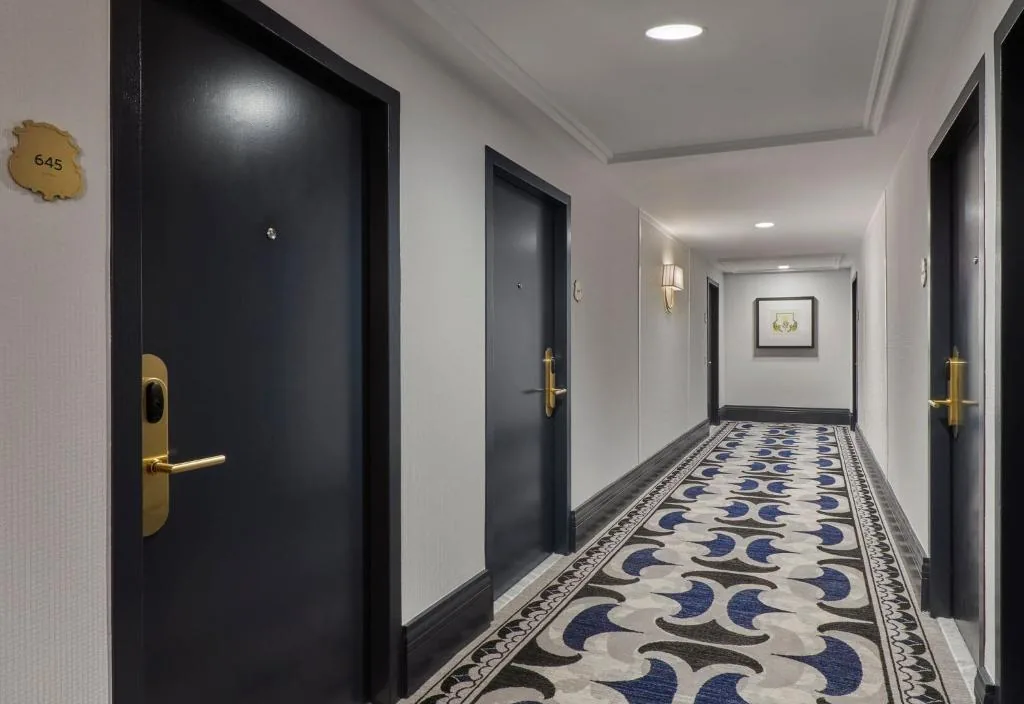
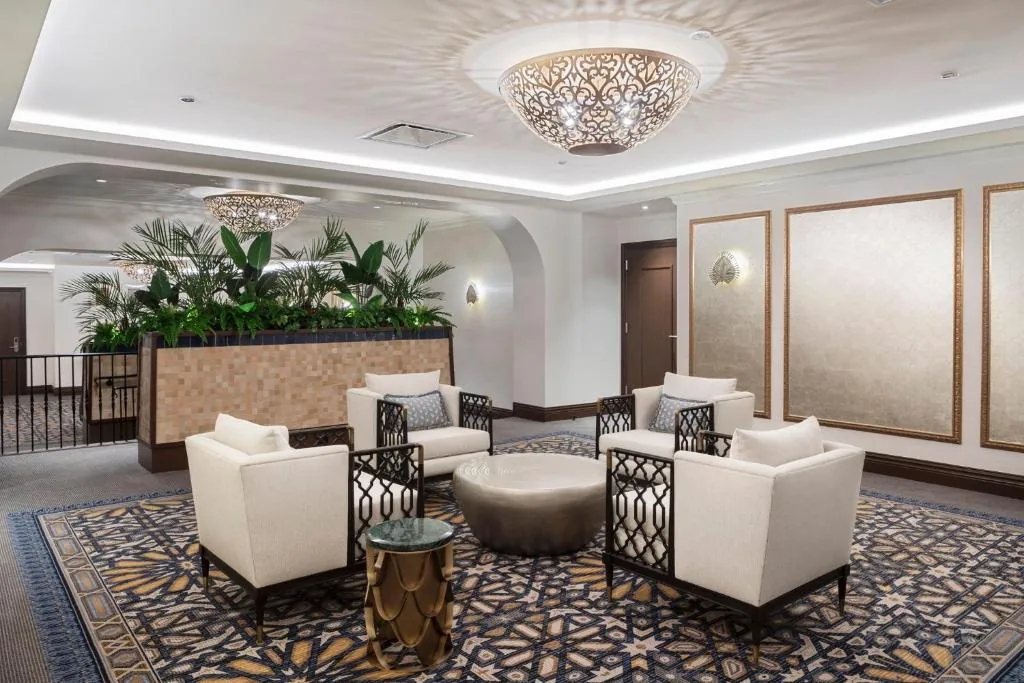

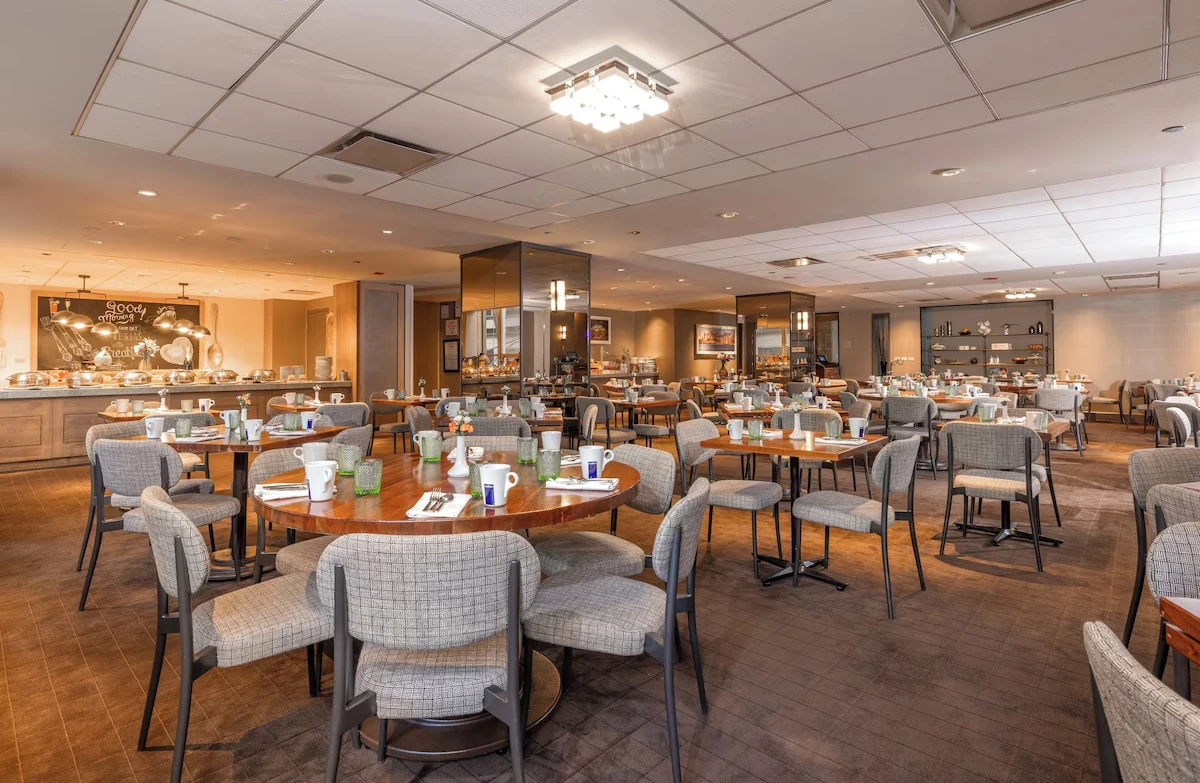

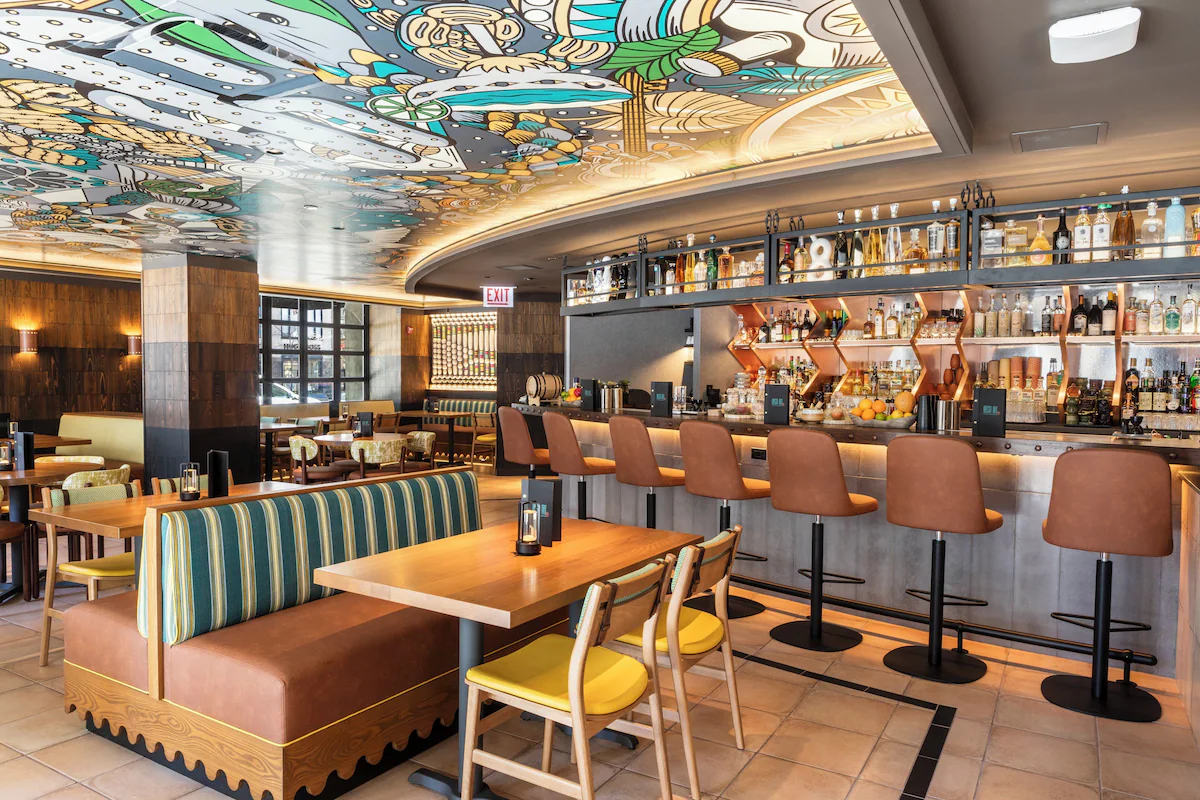



















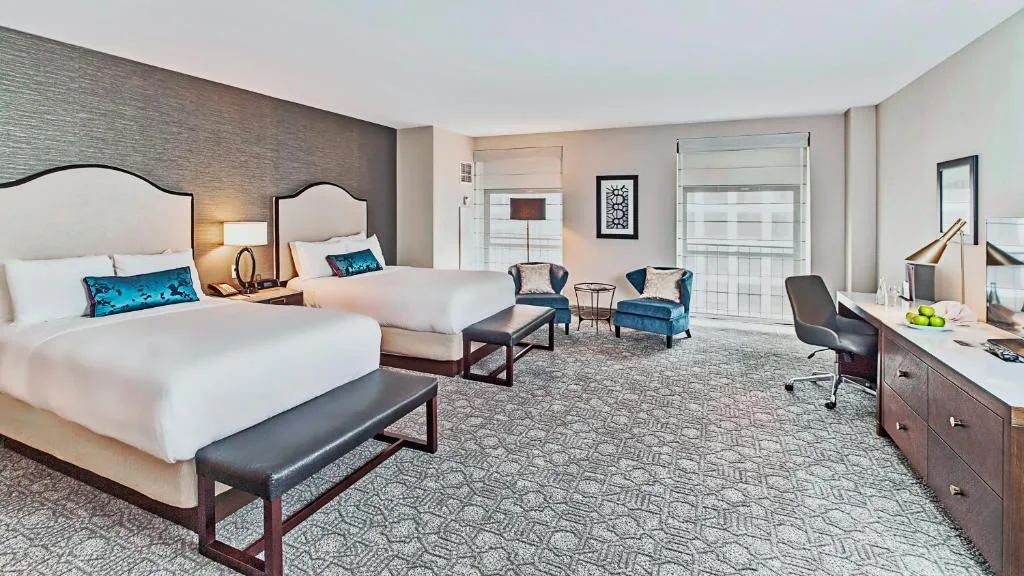
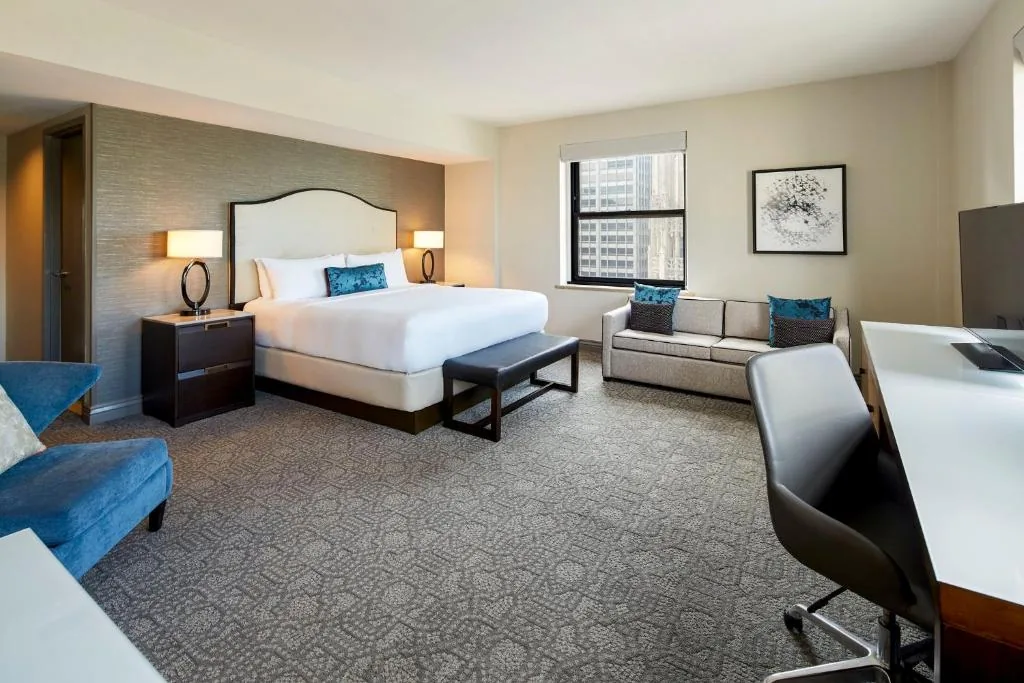

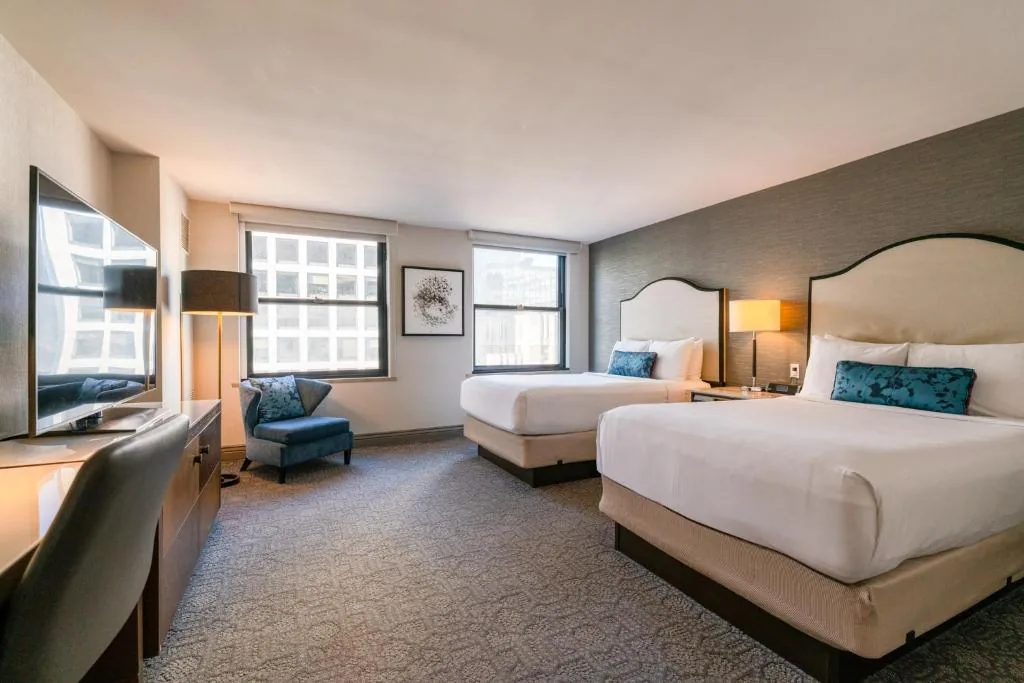


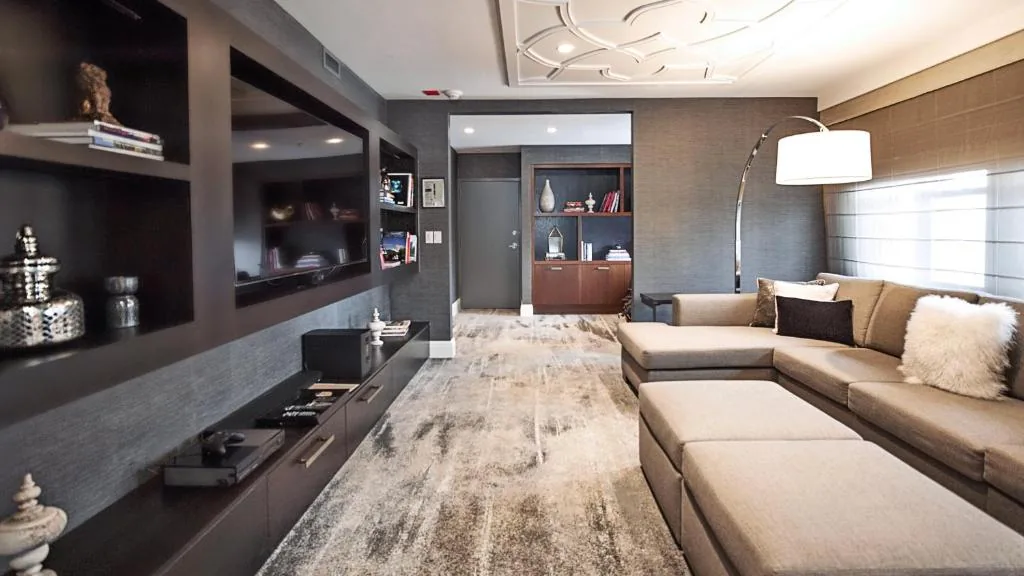
What guests are saying
What guests love
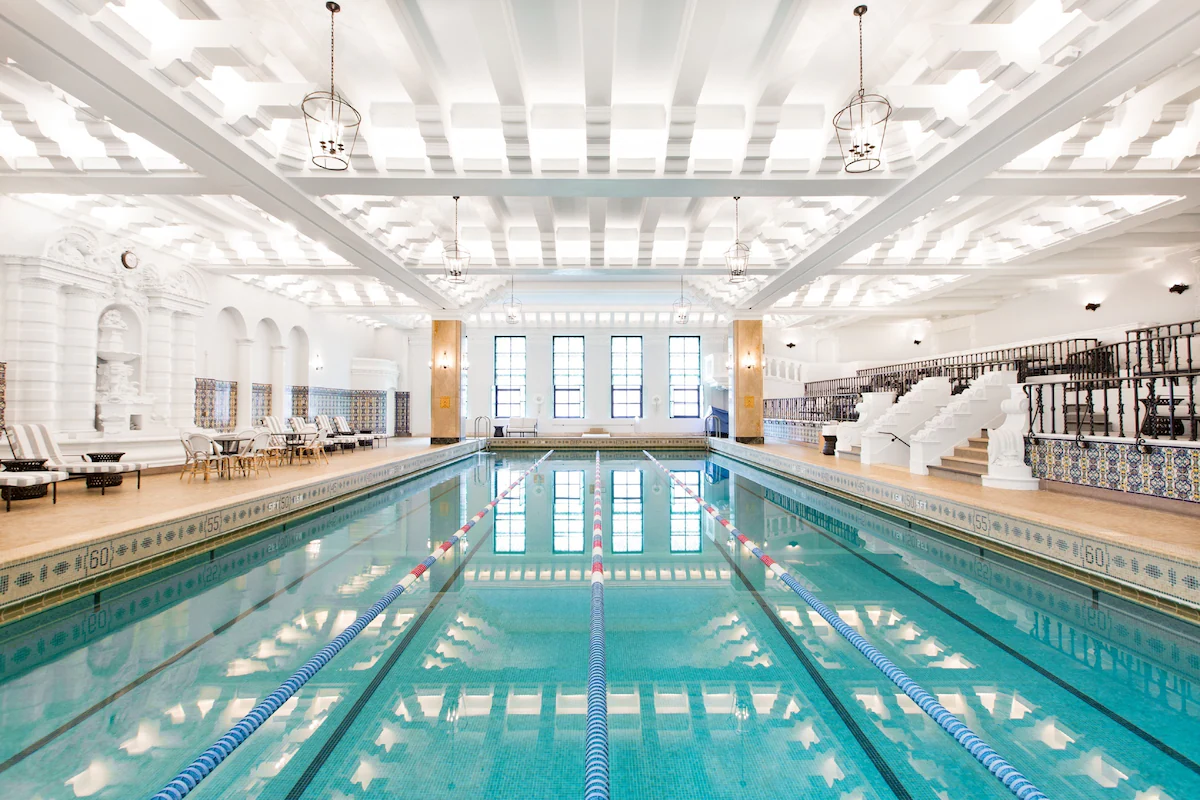
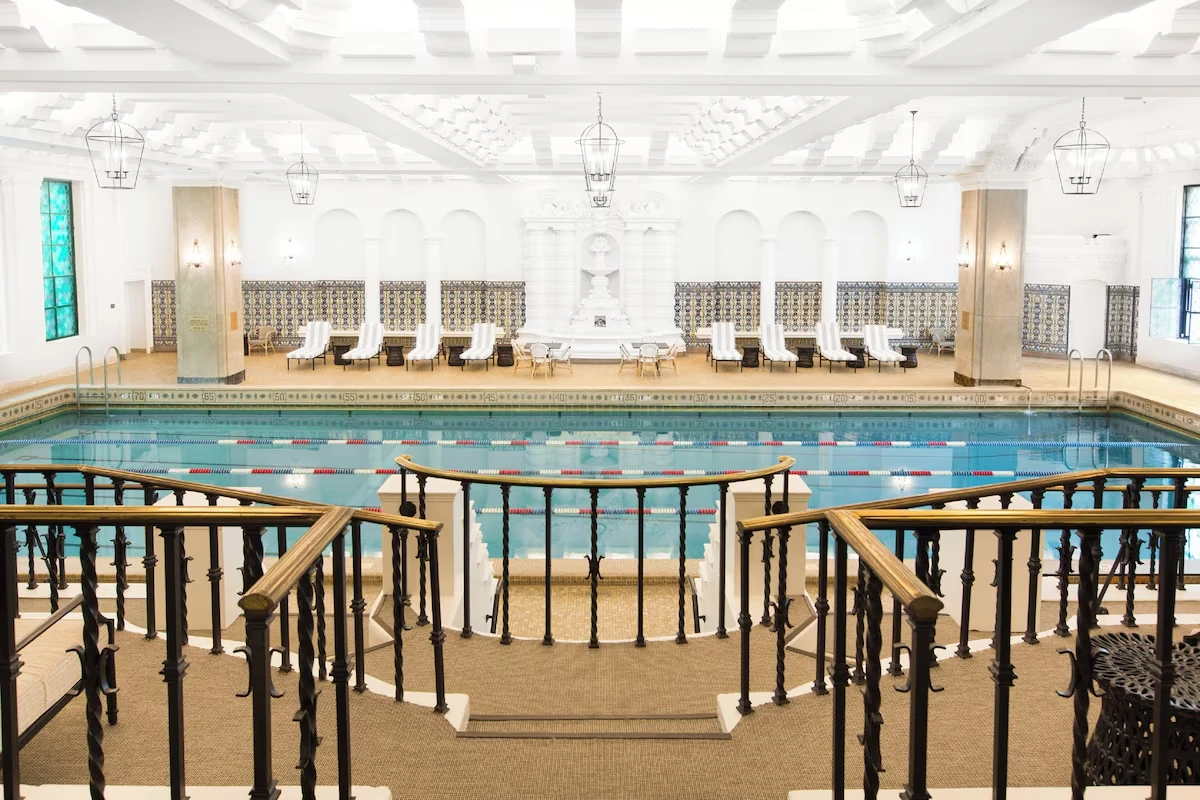
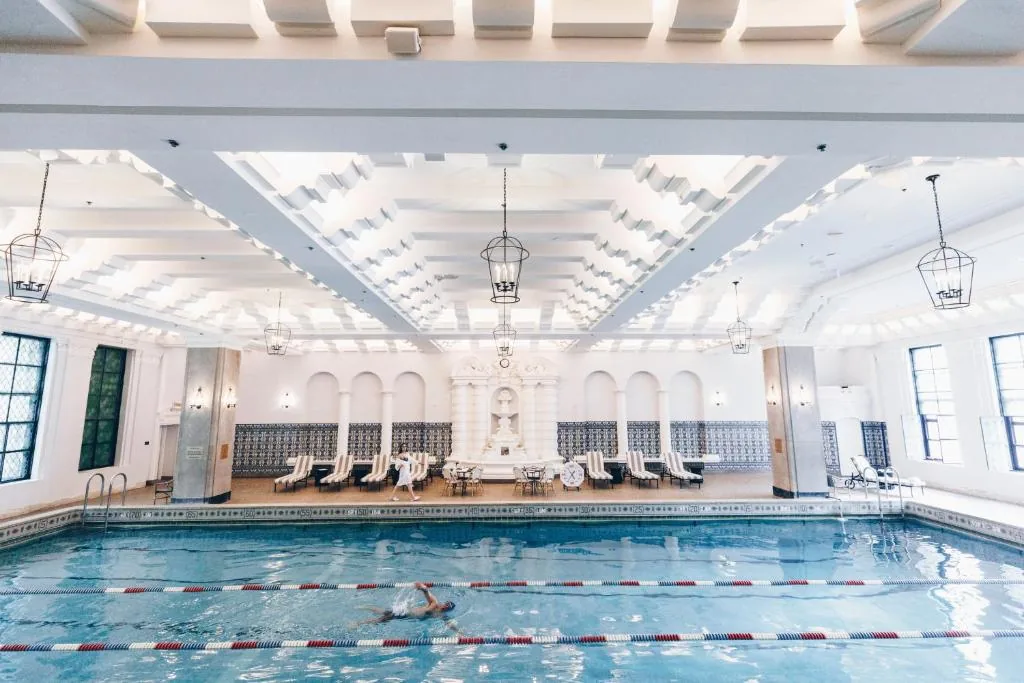
- One of the most extraordinary historic interiors in Chicago, including a jaw-dropping vintage indoor pool.
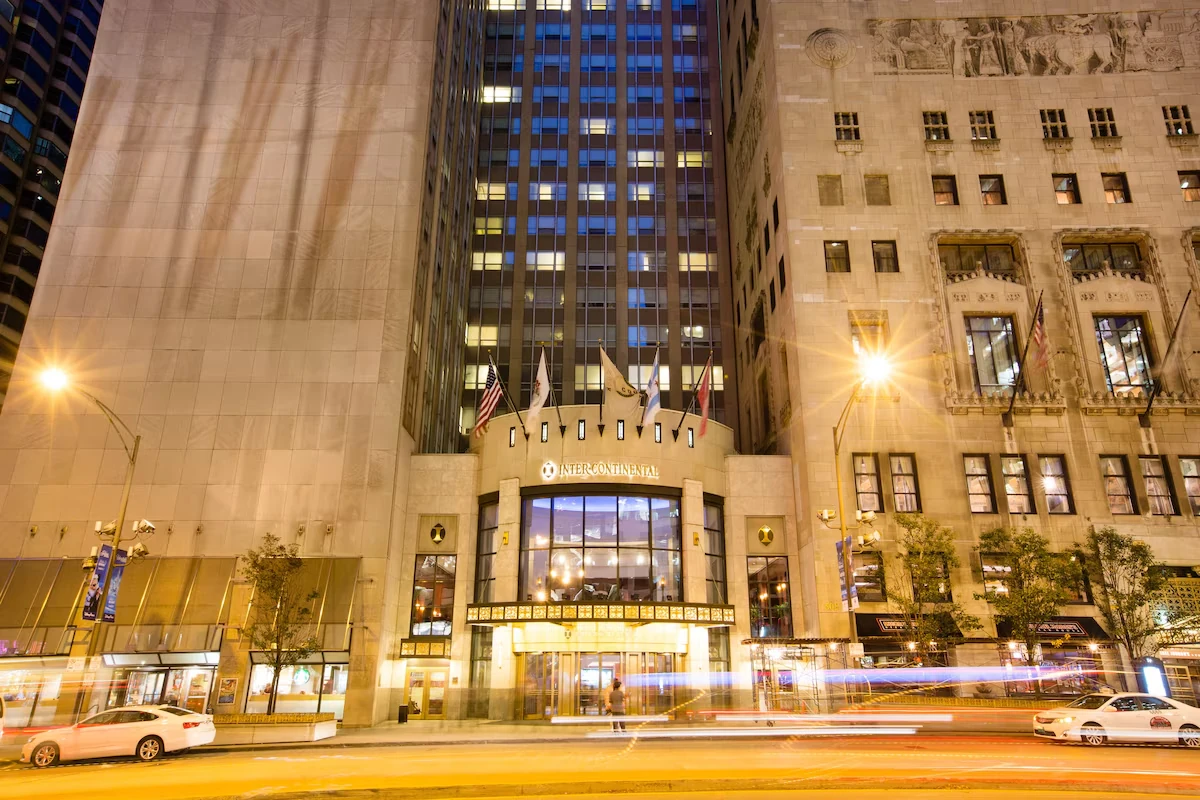
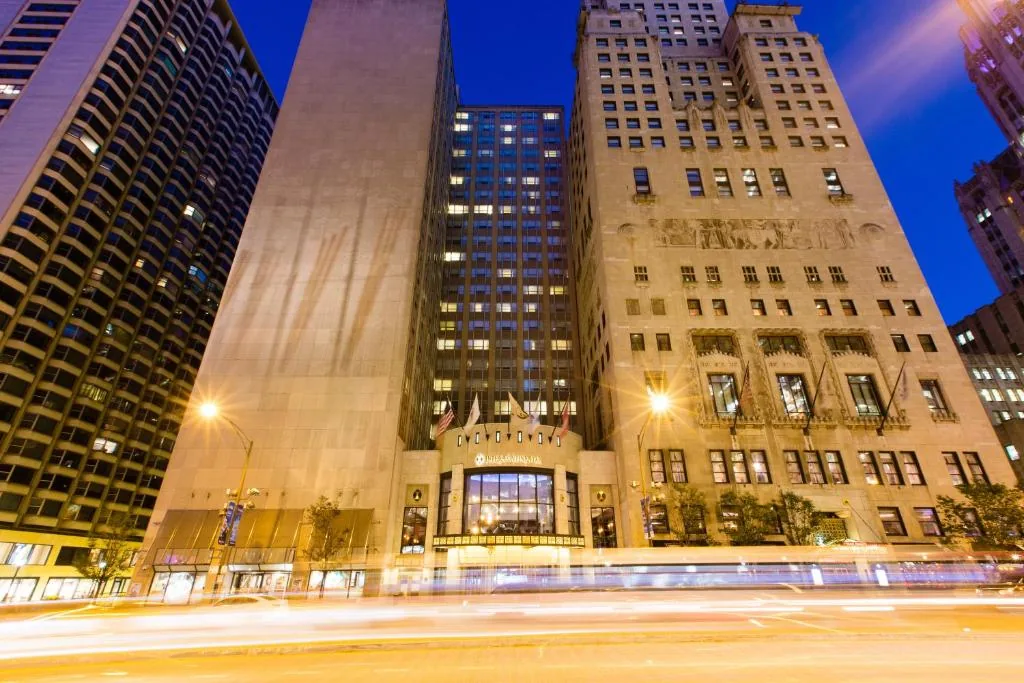
- A prime Magnificent Mile address by the river, steps from the Wrigley Building and Tribune Tower.
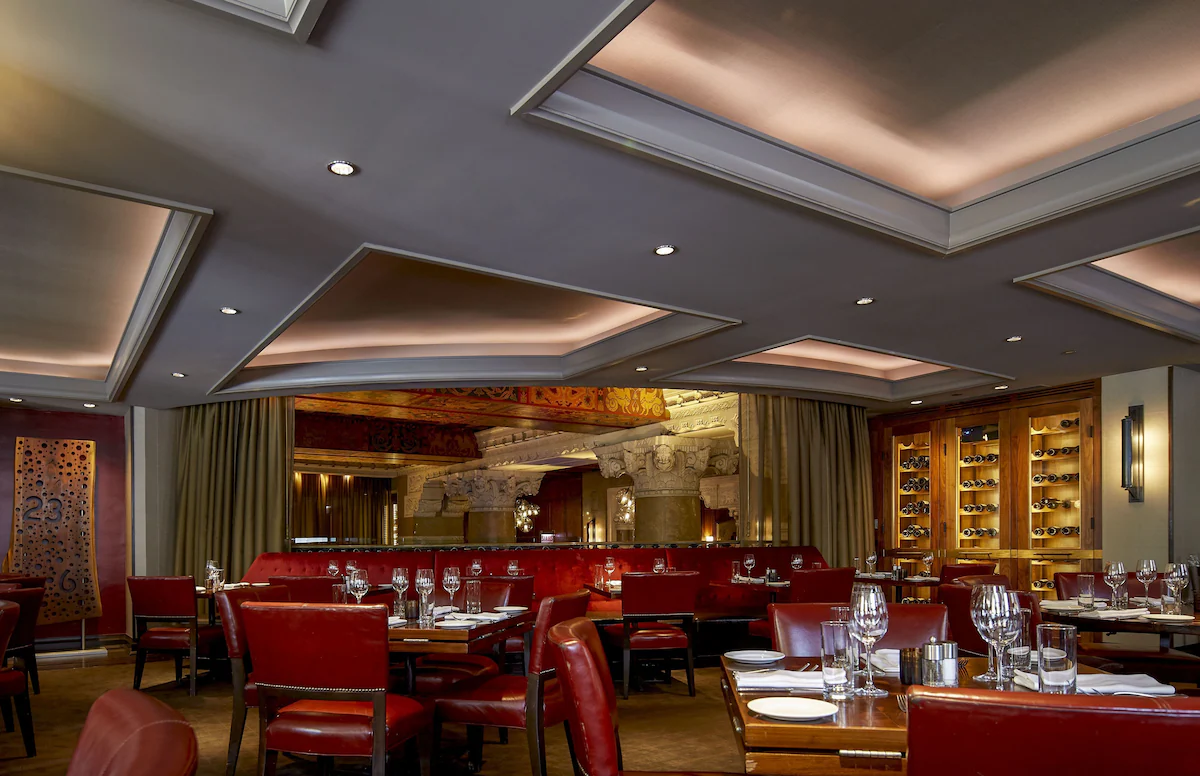
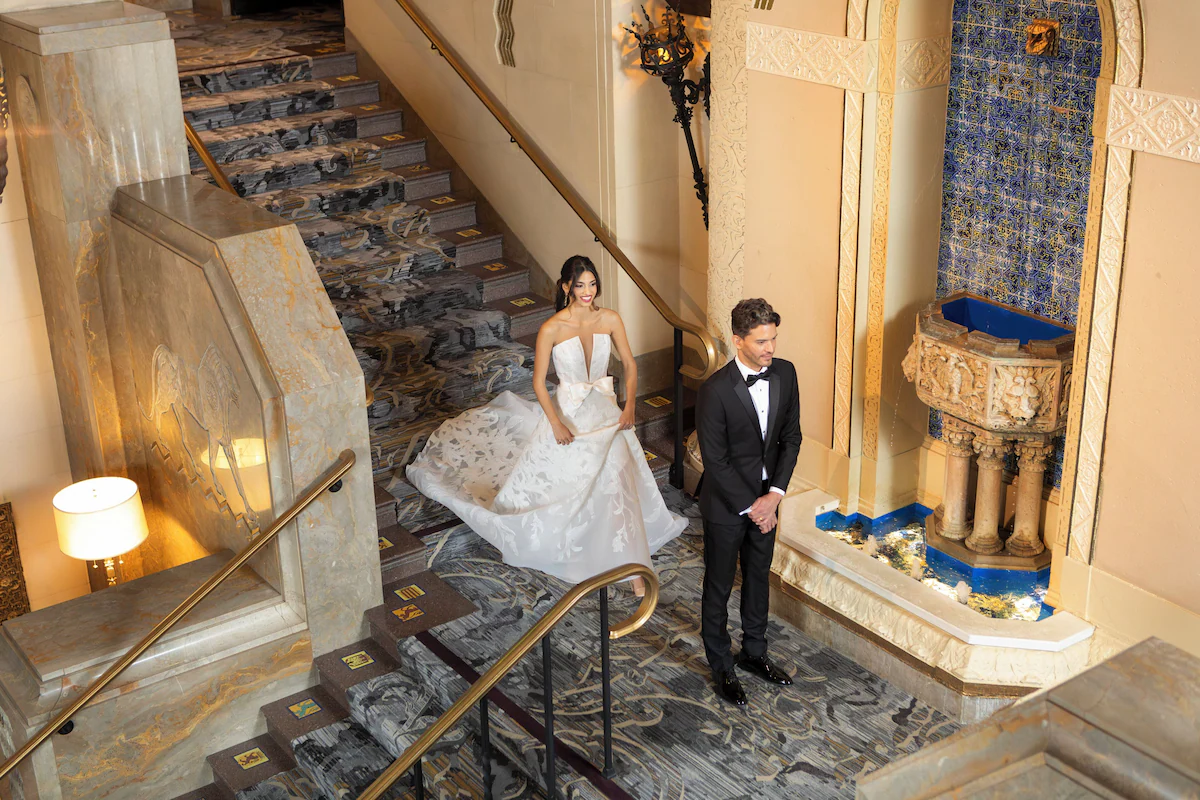
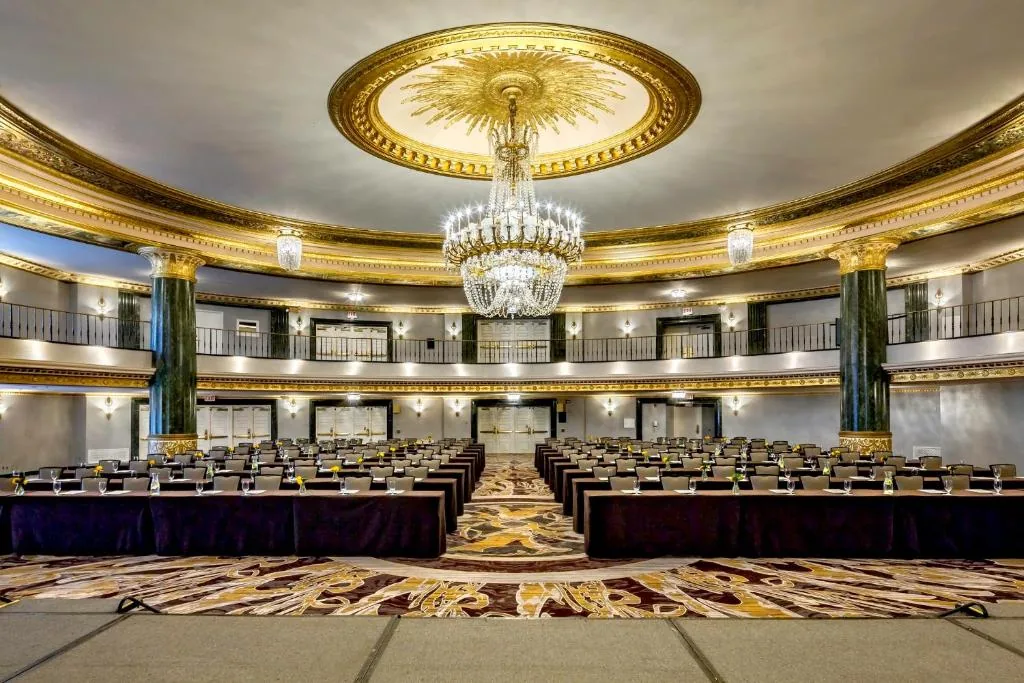
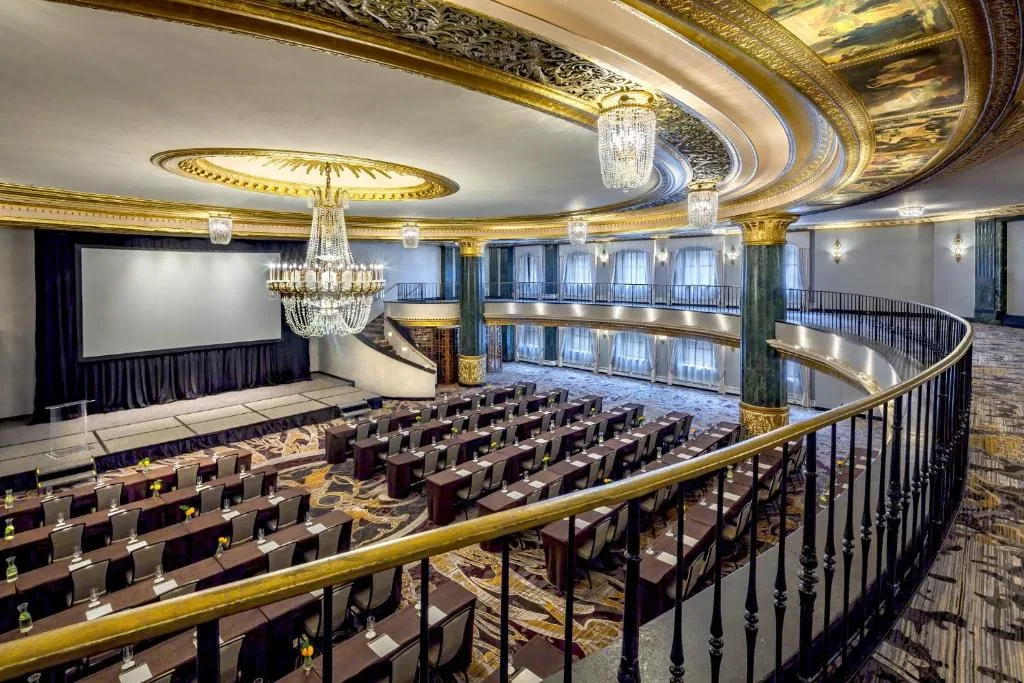
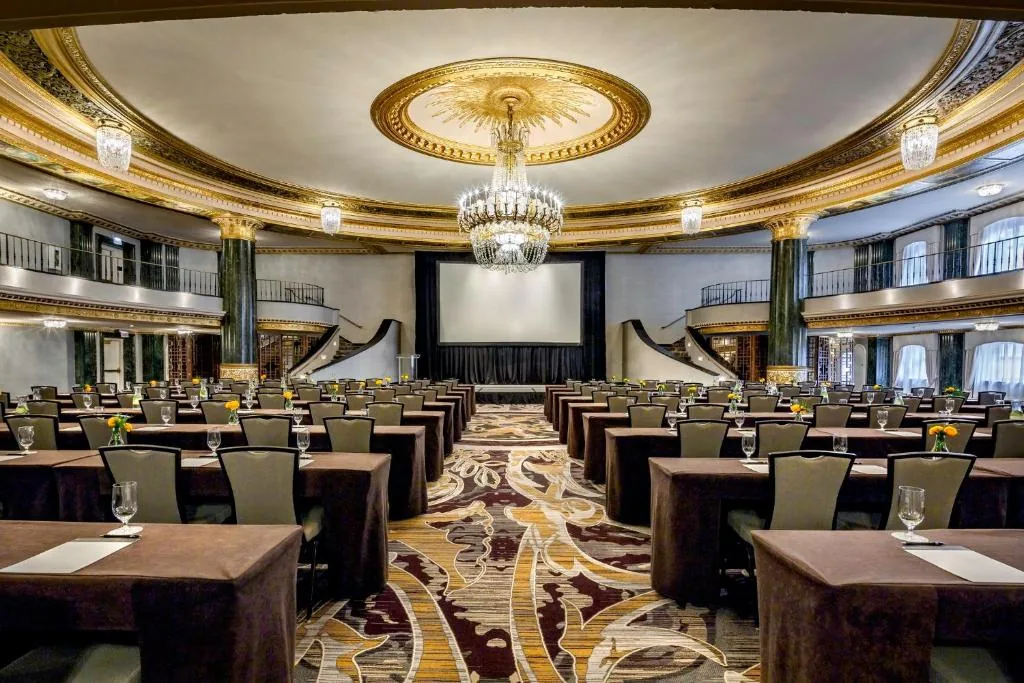
- Grand public rooms and a genuine sense of Jazz-Age spectacle; Michael Jordan’s Steak House in the original lobby.
What to keep in mind
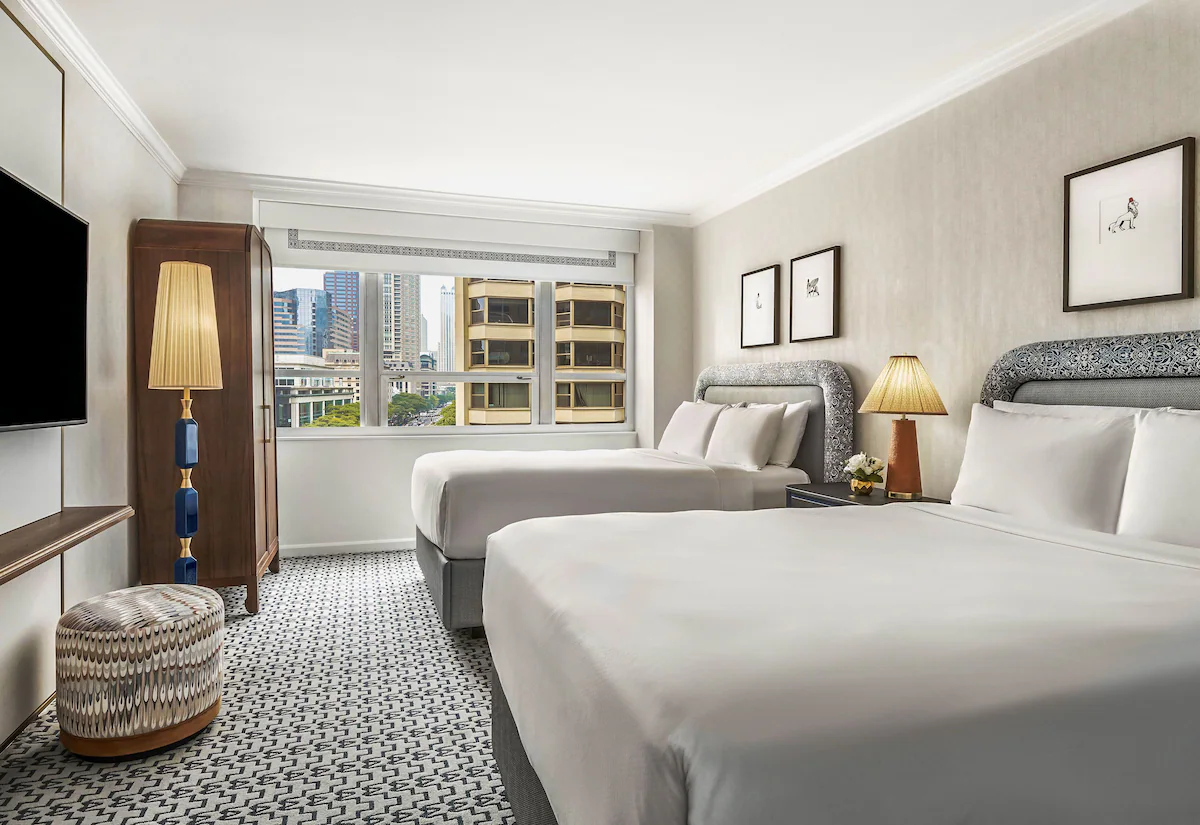
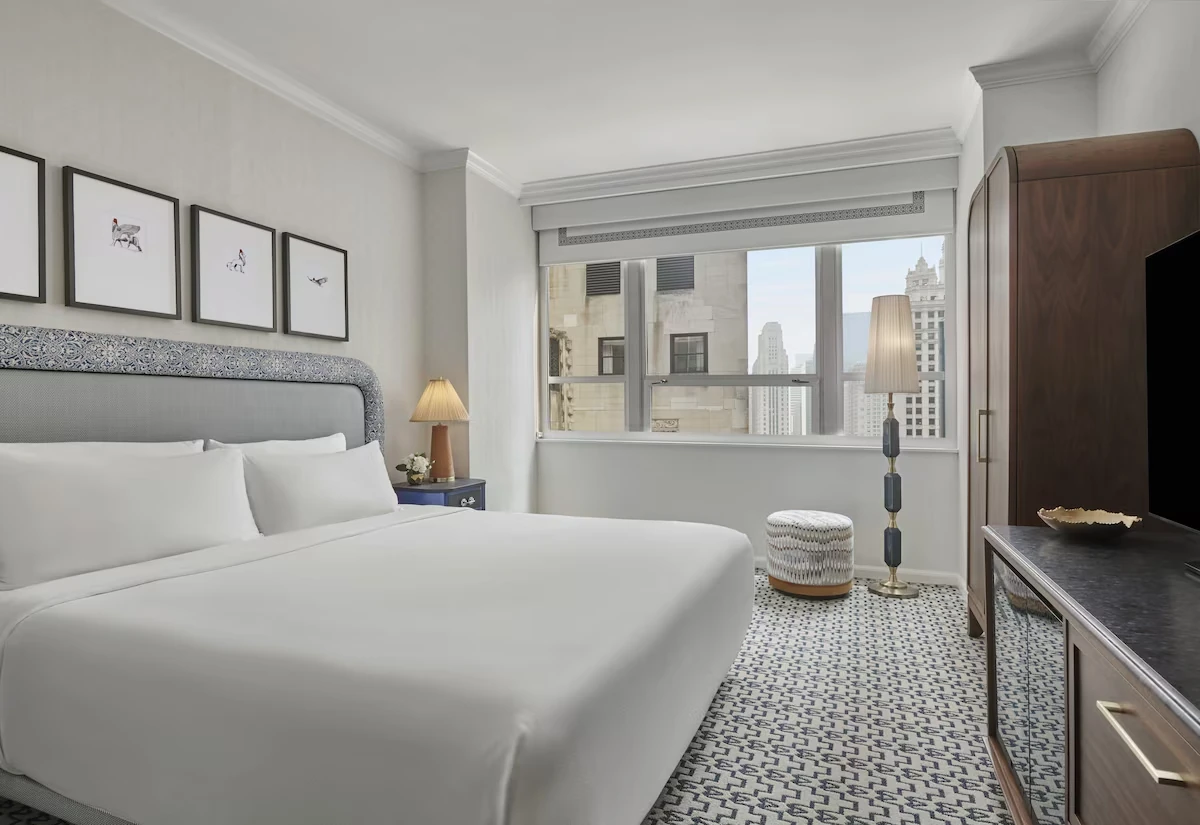
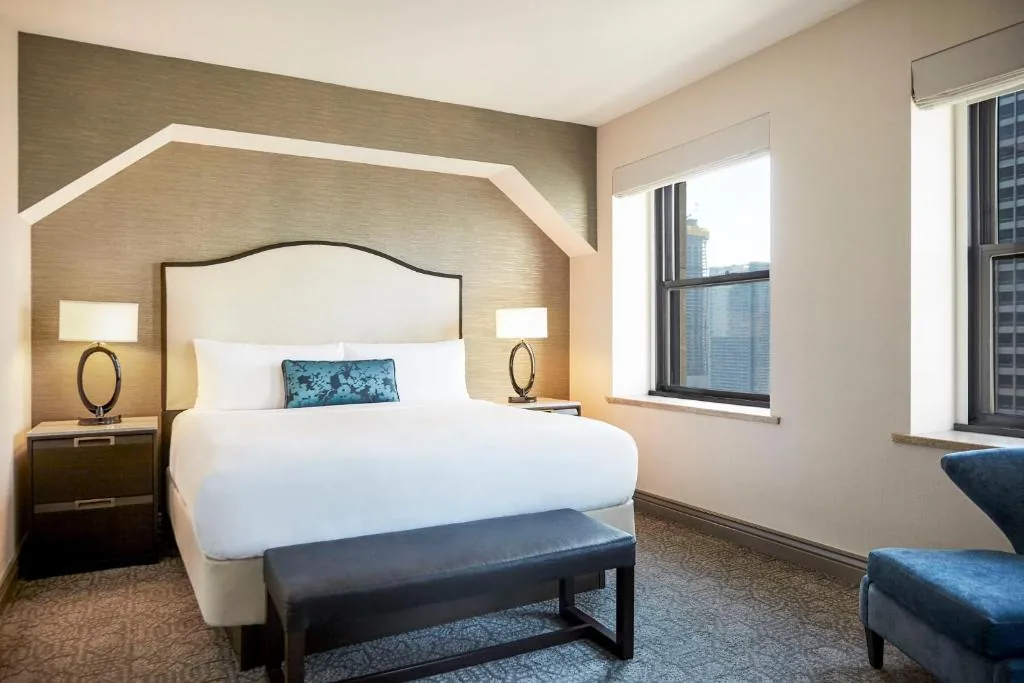
- A vast historic hotel — rooms vary between the tower and addition
- Among the higher-priced stays on the Mag Mile
Best for Travelers who want grandeur and architectural spectacle on the Magnificent Mile, and a chance to swim in one of the city’s most storied pools.
Summary of guest reviews. Sources: The sequence of names and the structural engineer from Frank A. Randall, History of the Development of Building Construction in Chicago (University of Illinois Press, 1949), p. 297. InterContinental Chicago Magnificent Mile, Preservation Chicago. Photography courtesy of InterContinental Chicago Magnificent Mile by IHG, used with permission. Details may change over time.
Why this building matters
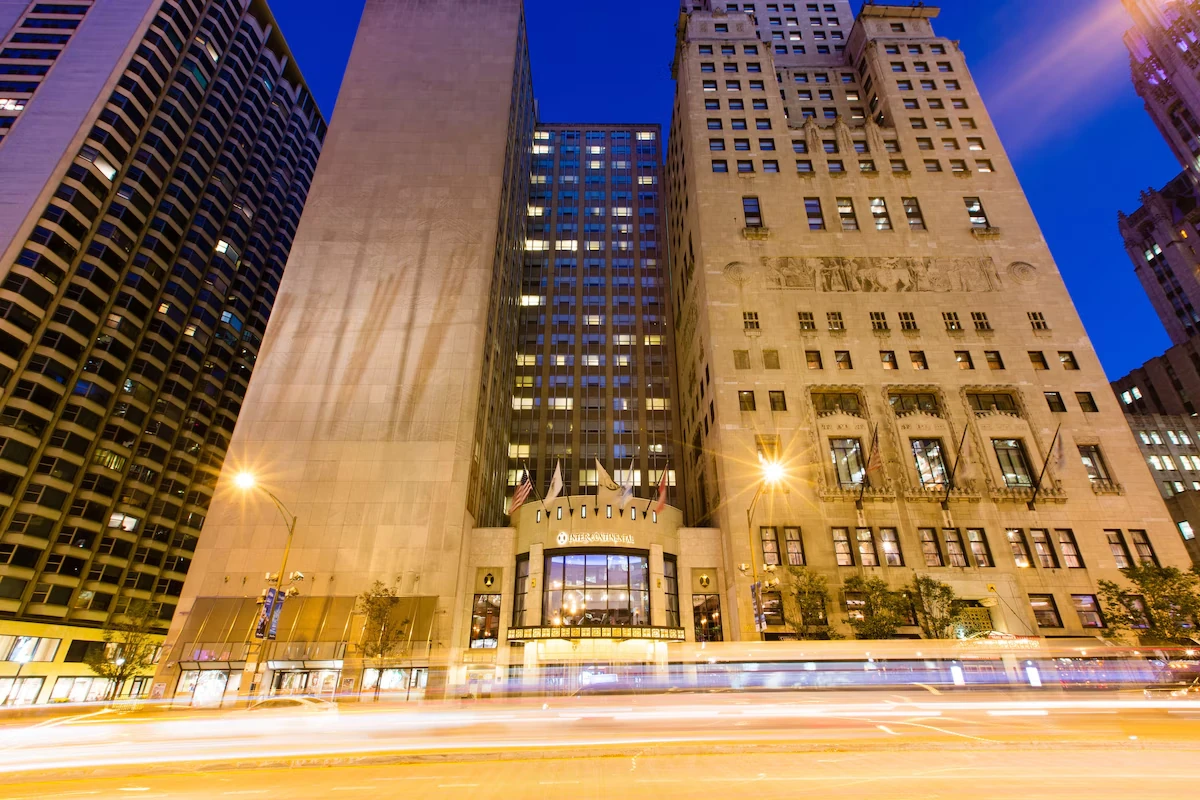
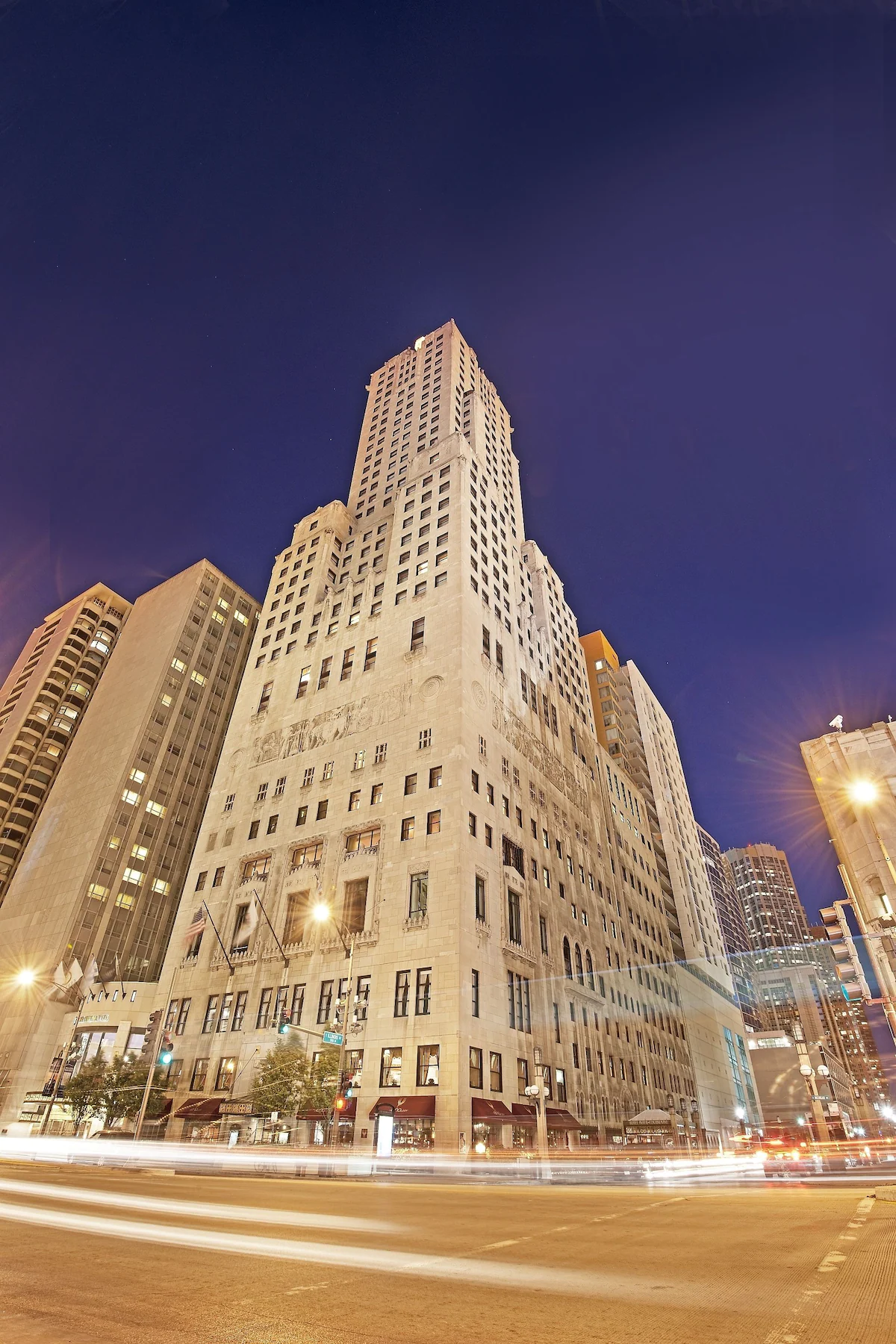
Designed by Walter W. Ahlschlager and completed in 1929 for the Shriners as the Medinah Athletic Club, the building is a riot of Jazz-Age fantasy — a 40-plus-story tower wrapped in Mesopotamian and Egyptian-revival ornament. Its crown jewel is the junior-Olympic swimming pool on the building’s upper floors, a celebrated feat of engineering and one of the oldest indoor hotel pools in the city. Its fantastical gold onion dome was conceived as an airship mooring mast in the zeppelin-crazed 1920s — a romantic flourish, though no dirigible ever actually docked there. After the club failed in the Depression, the building lived several lives before a major restoration brought it back as the InterContinental.
One of the swimmers the pool drew was Johnny Weissmuller, the five-time Olympic gold medalist who went on to become the original Hollywood Tarzan. He trained here in the early 1930s. Weissmuller connects two hotels on this site: he was also a member of the Chicago Athletic Association, further south on Michigan Avenue, which is likewise a hotel today — two private Michigan Avenue clubs, both now open to anyone who books a room.
Randall traces the name changes in one line. The Medinah Club building at 505 N. Michigan, on the northeast corner of E. Illinois, “was later the Chicago Towers building, and then the Continental Hotel. It is now the Sheraton Hotel” — that last being true when he wrote in 1949. The InterContinental is the fifth name this building has carried.
He also names the structural engineer, and it is himself: Walter W. Ahlschlager was the architect and Frank A. Randall the structural engineer. The standard reference work on Chicago building construction was written by a man who had engineered some of the buildings in it.
Read InterContinental's history on Historic Hotels of America →
Explore more like this
Art Deco landmarks you can stay in · hotels in historic Chicago buildings