






What guests are saying
What guests love
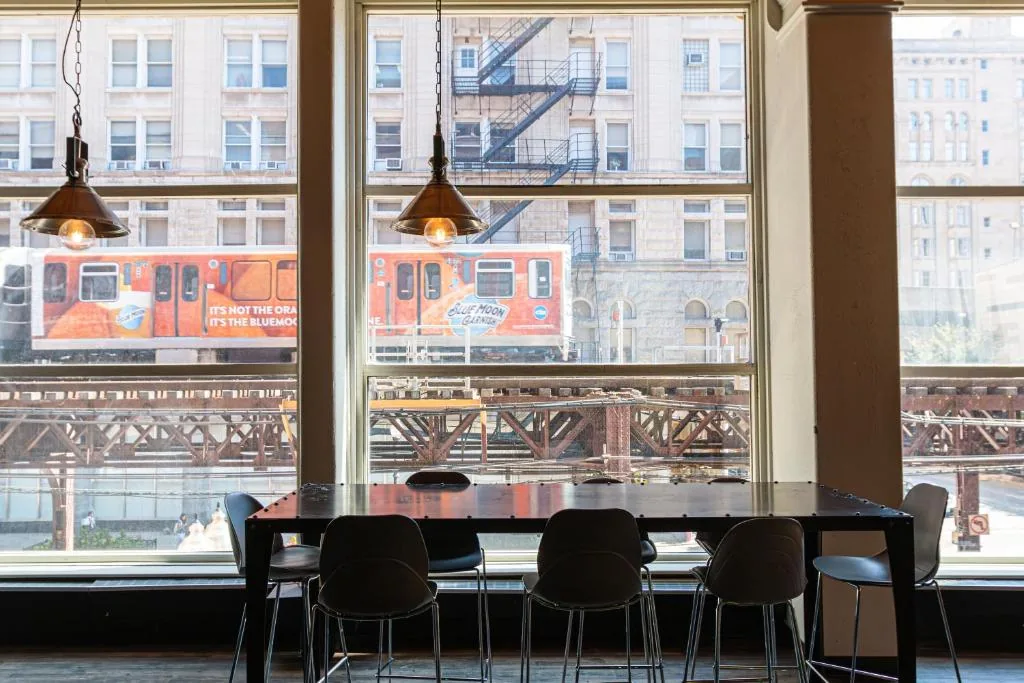
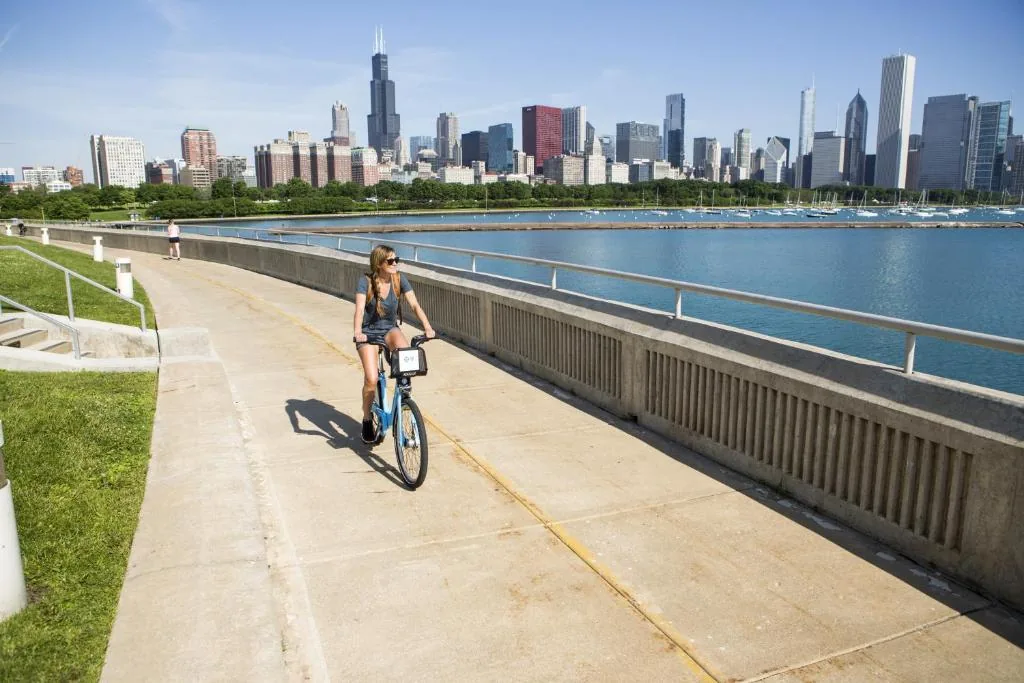
- An unbeatable price for a central Loop address a block from Grant Park, a 10-minute walk to the Art Institute.
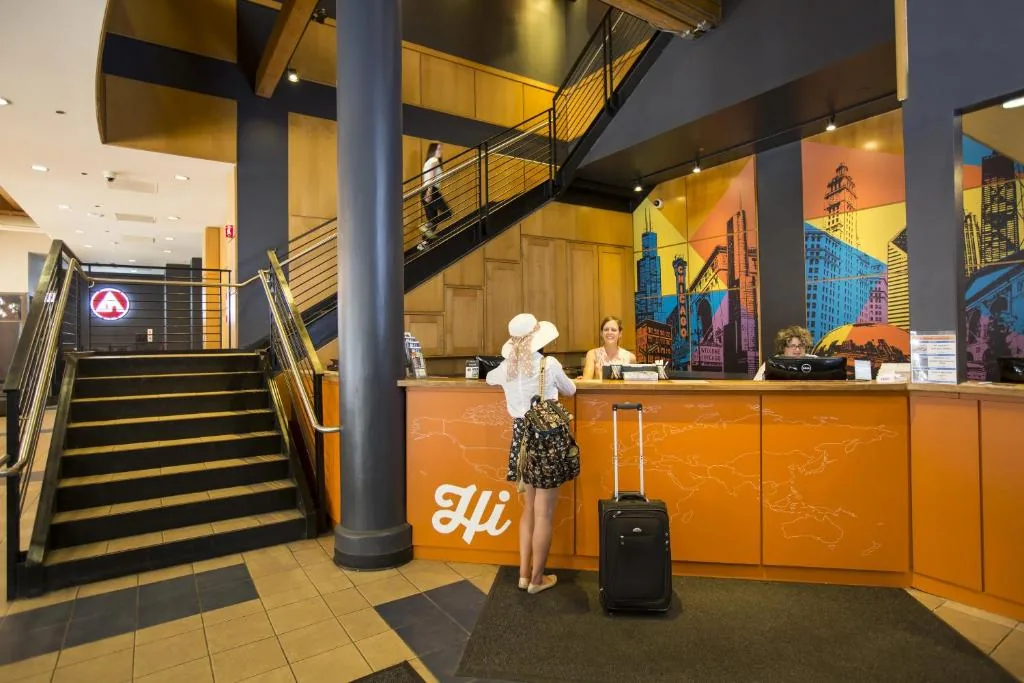
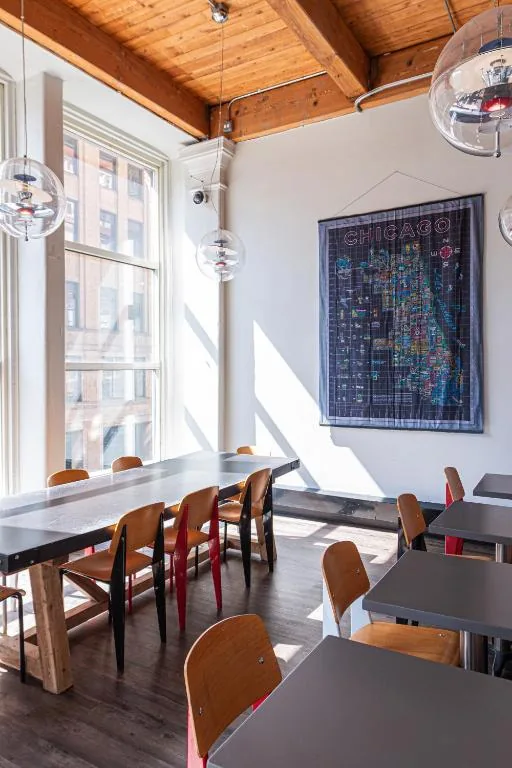
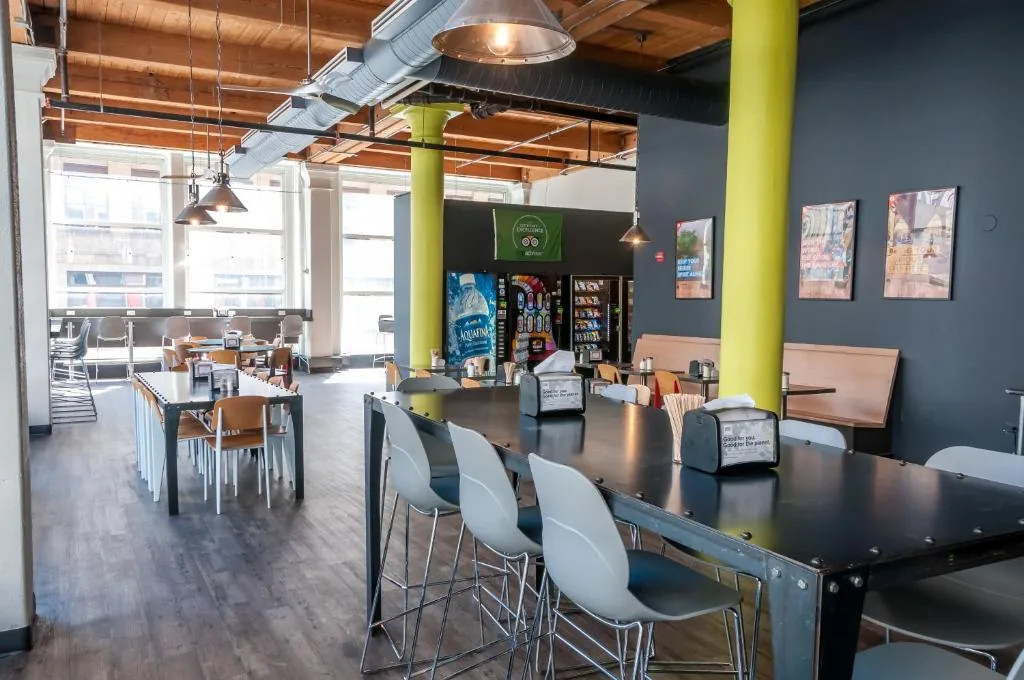
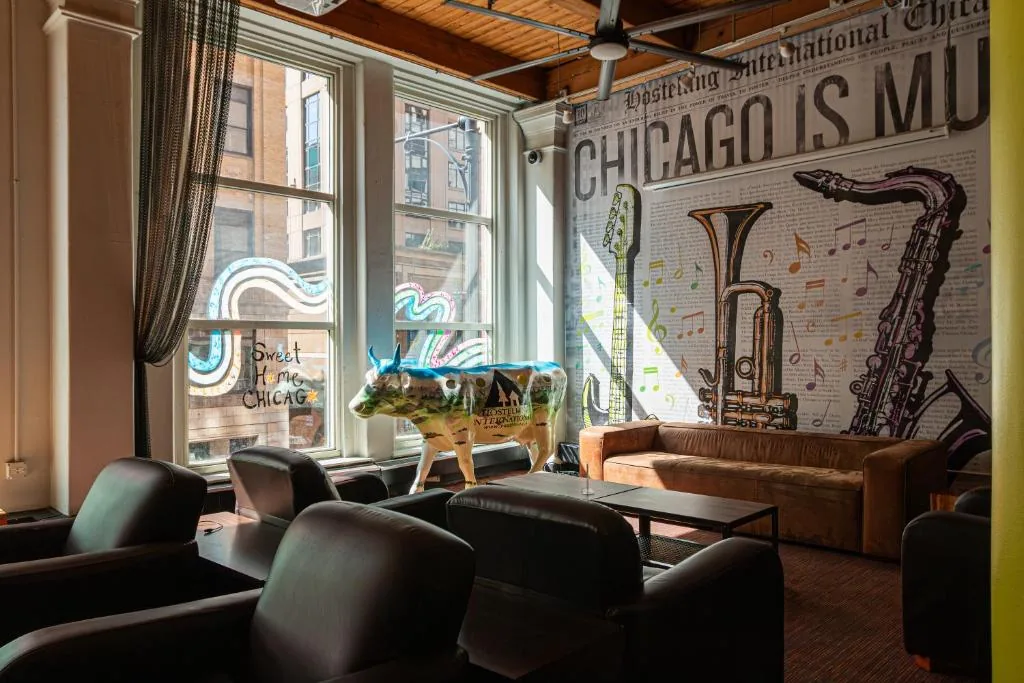
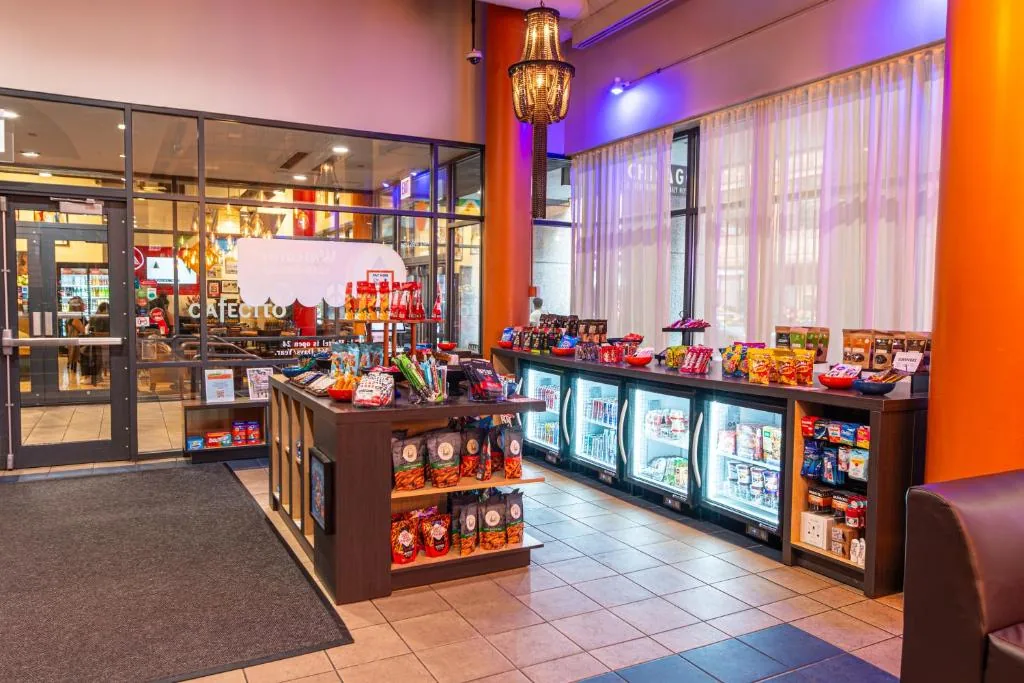
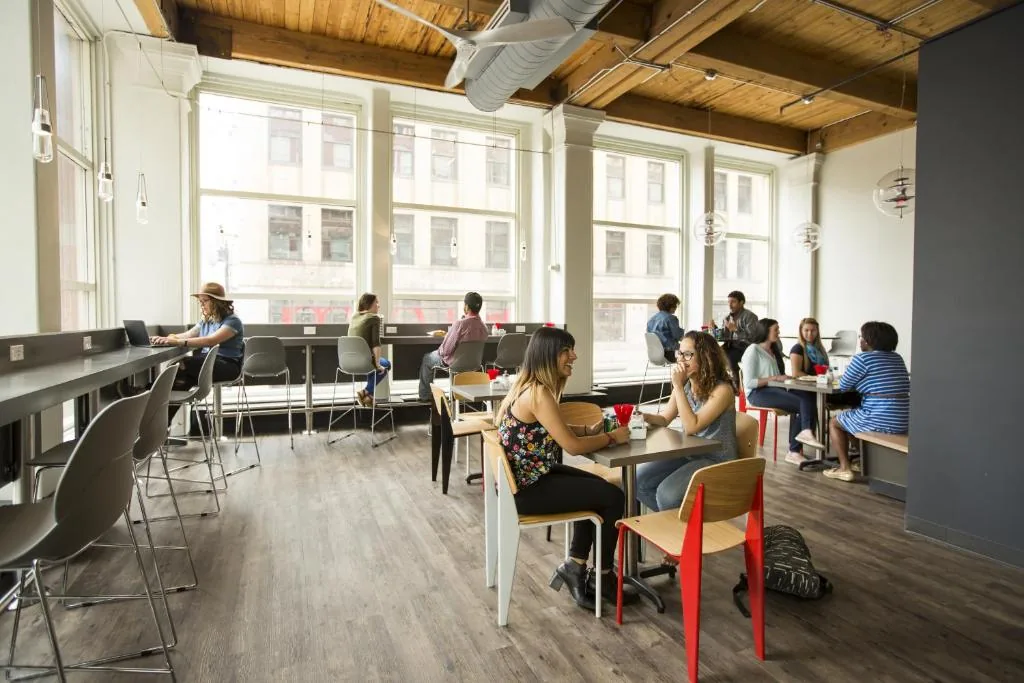
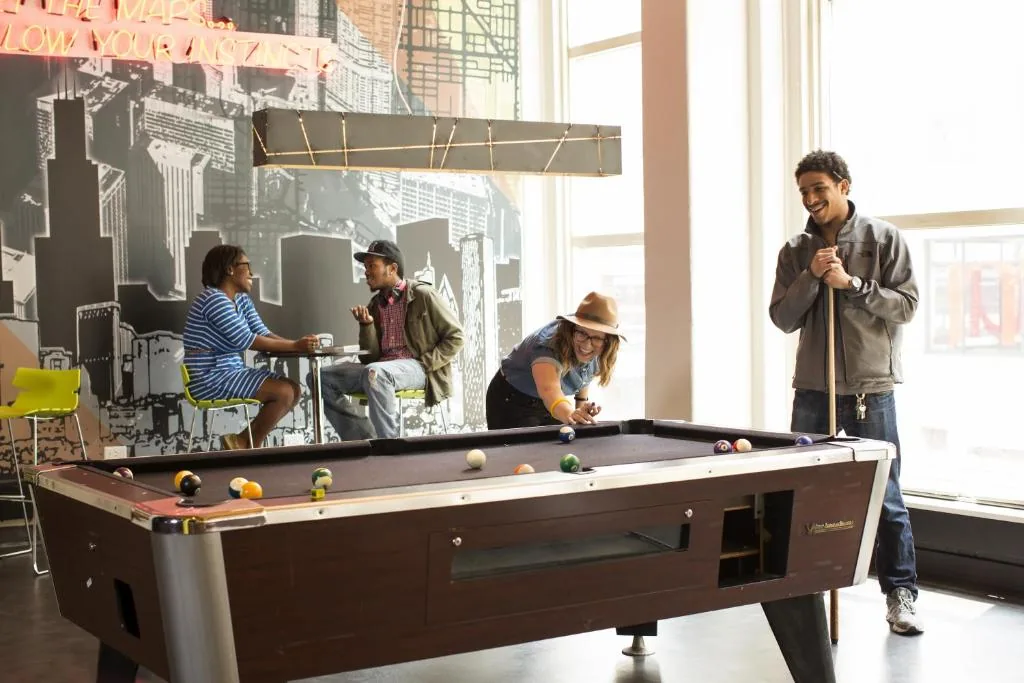
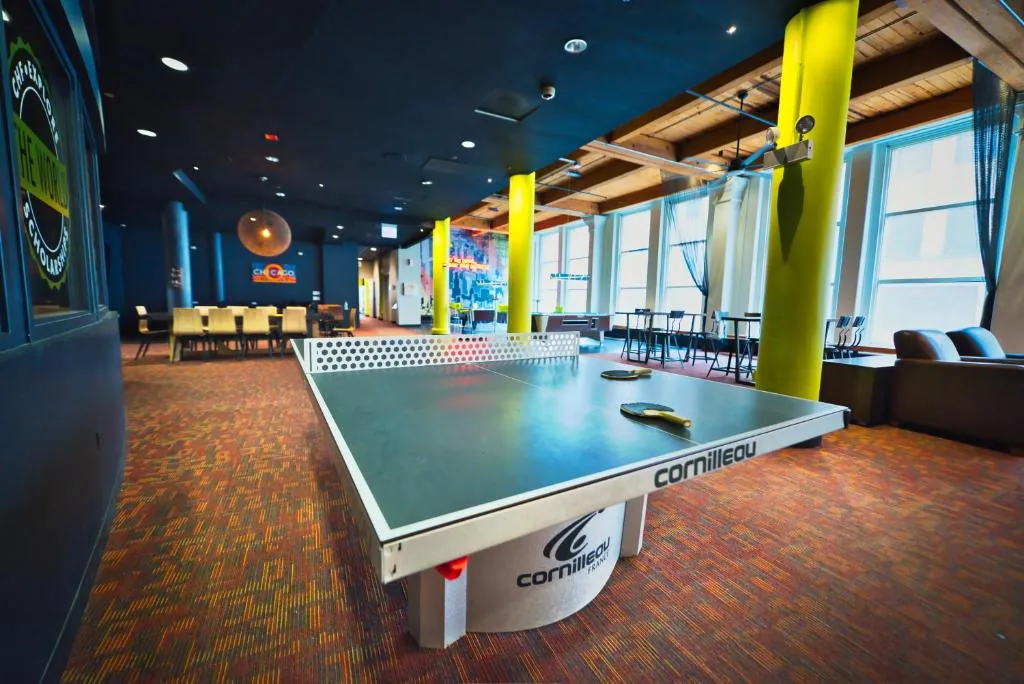
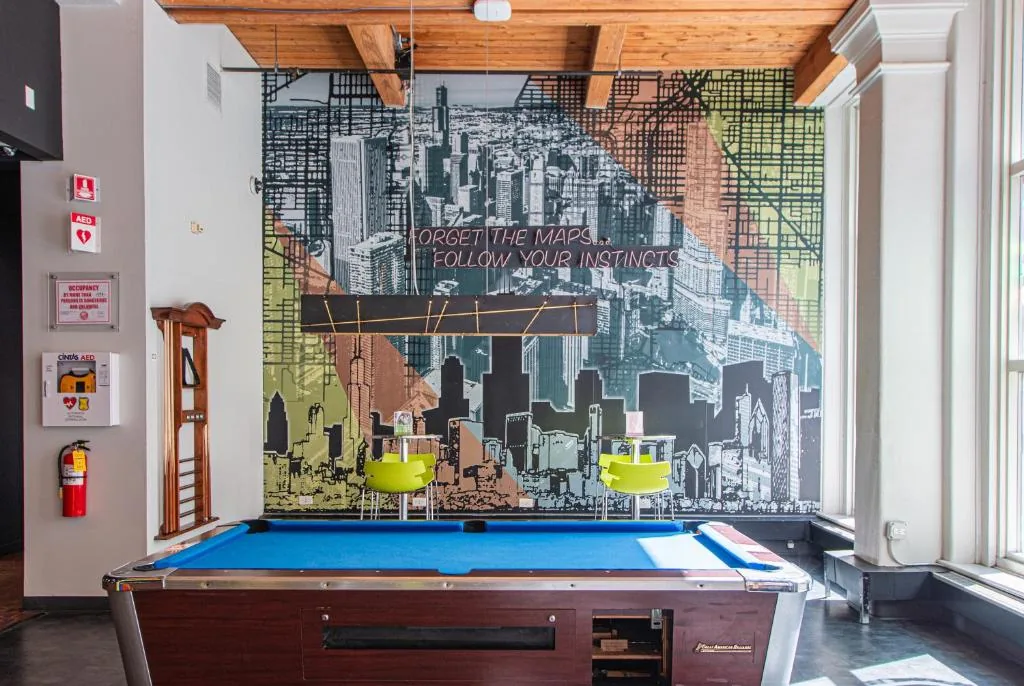
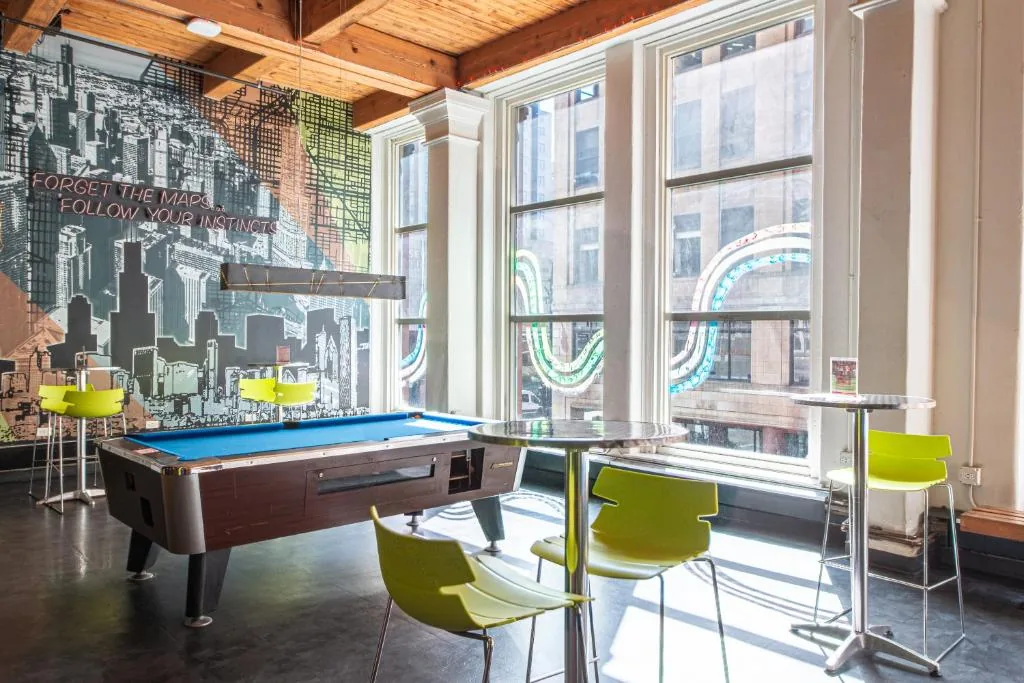
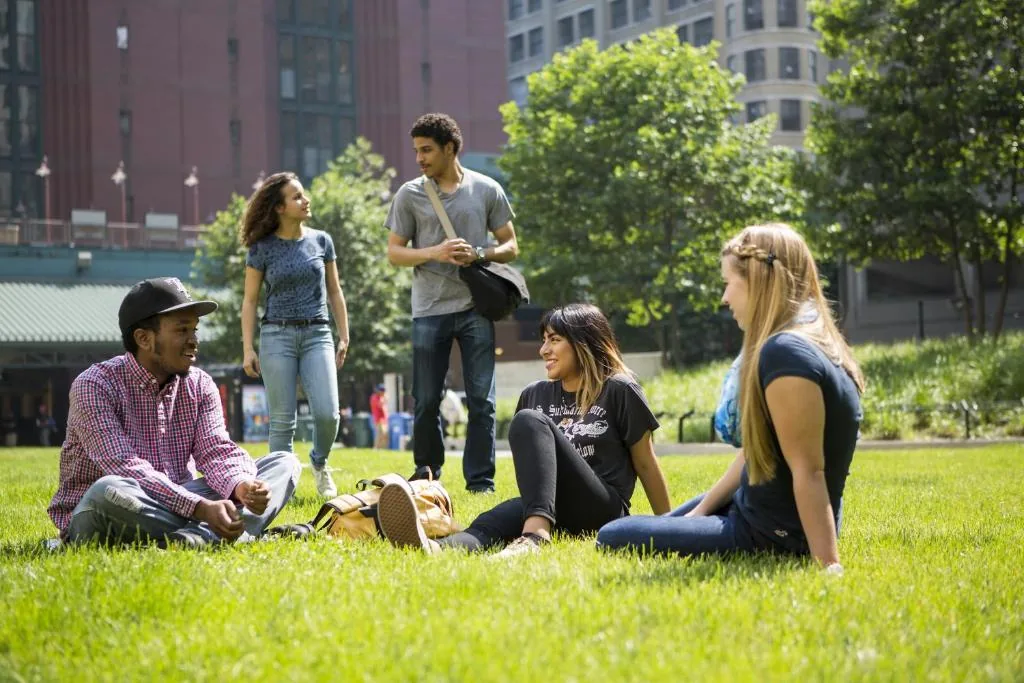
- A sociable, well-run hostel with a café, common spaces, and free walking tours.
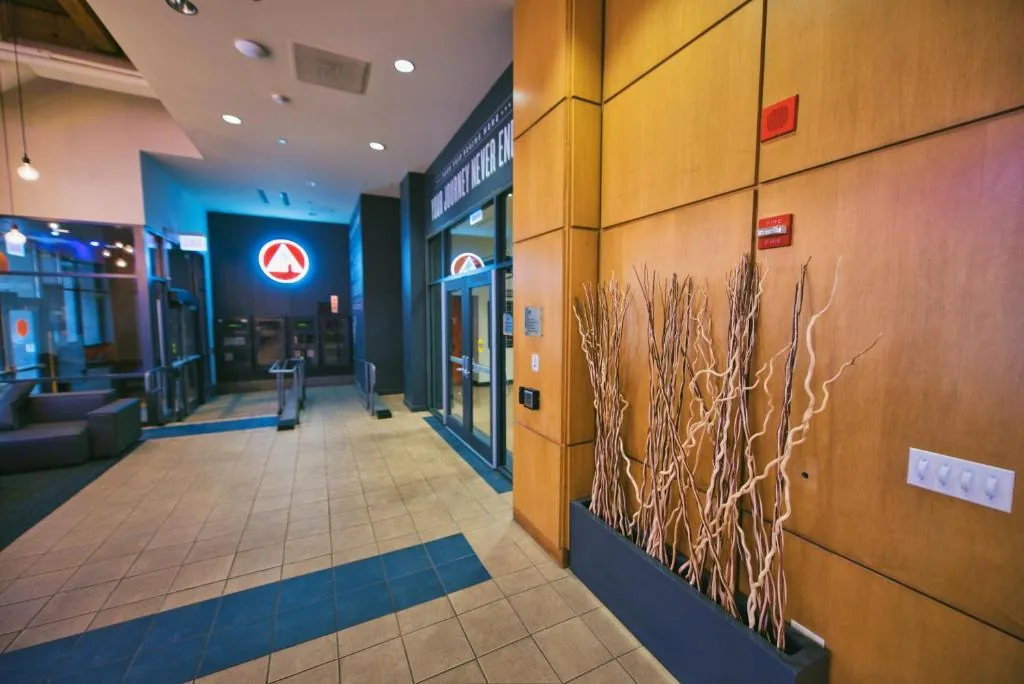
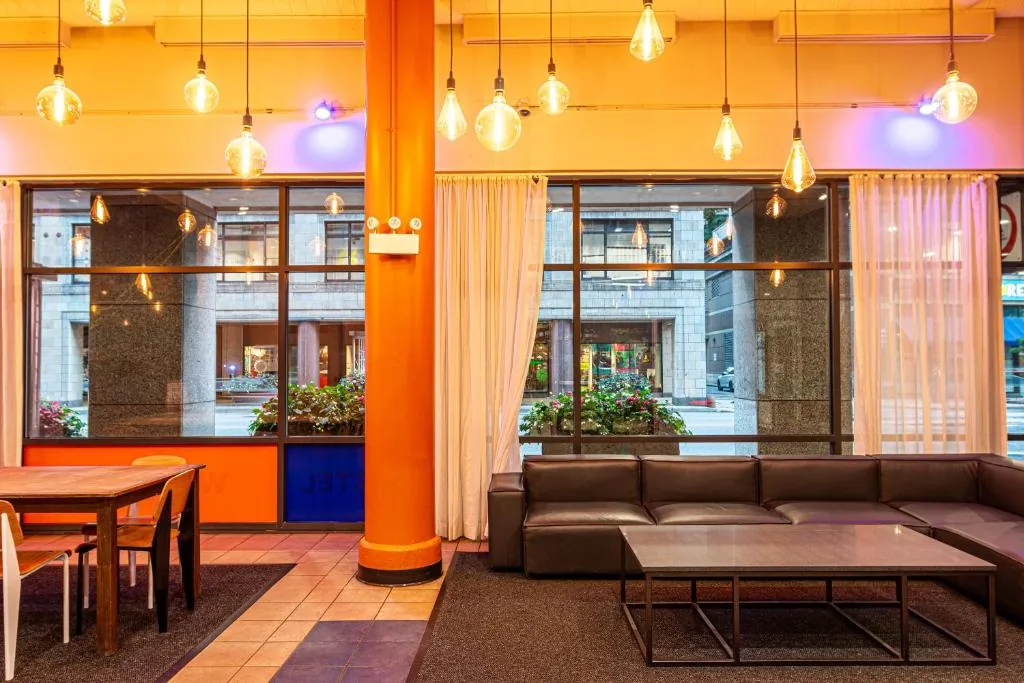
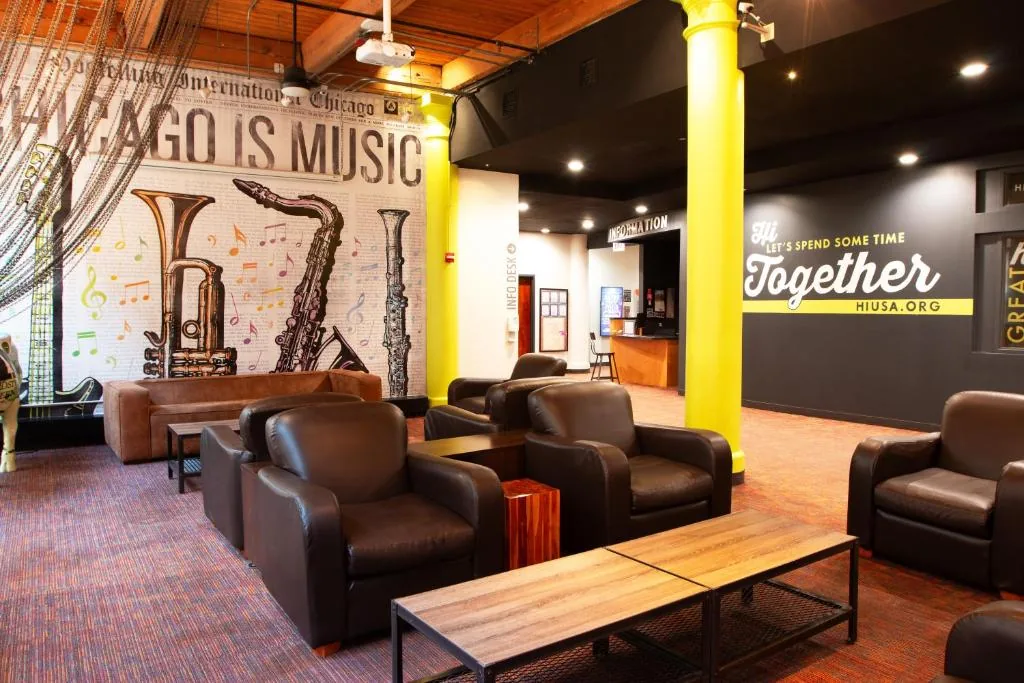
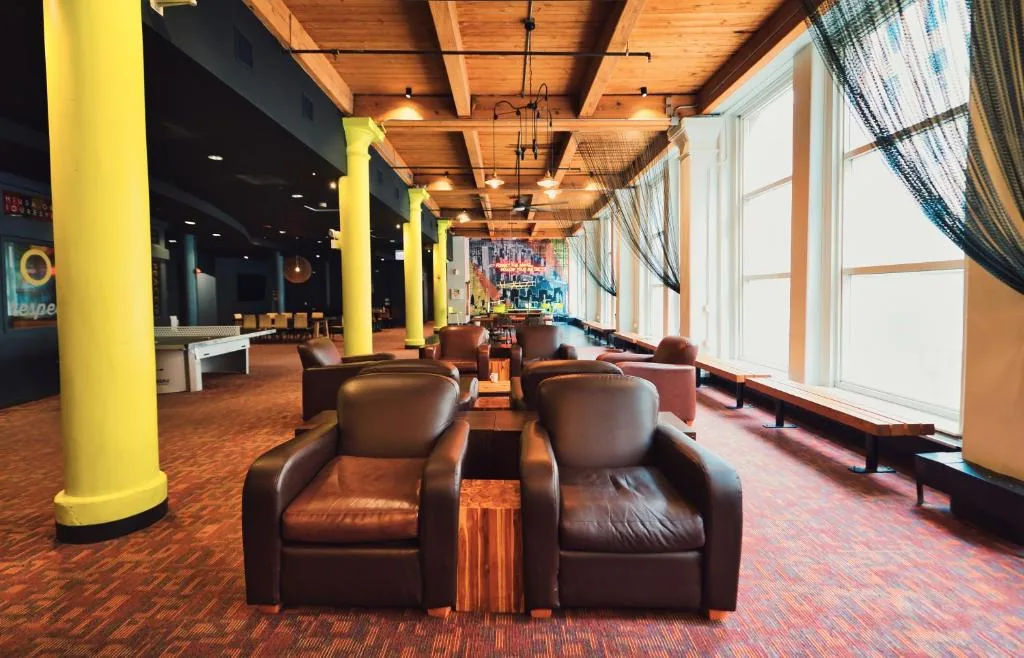
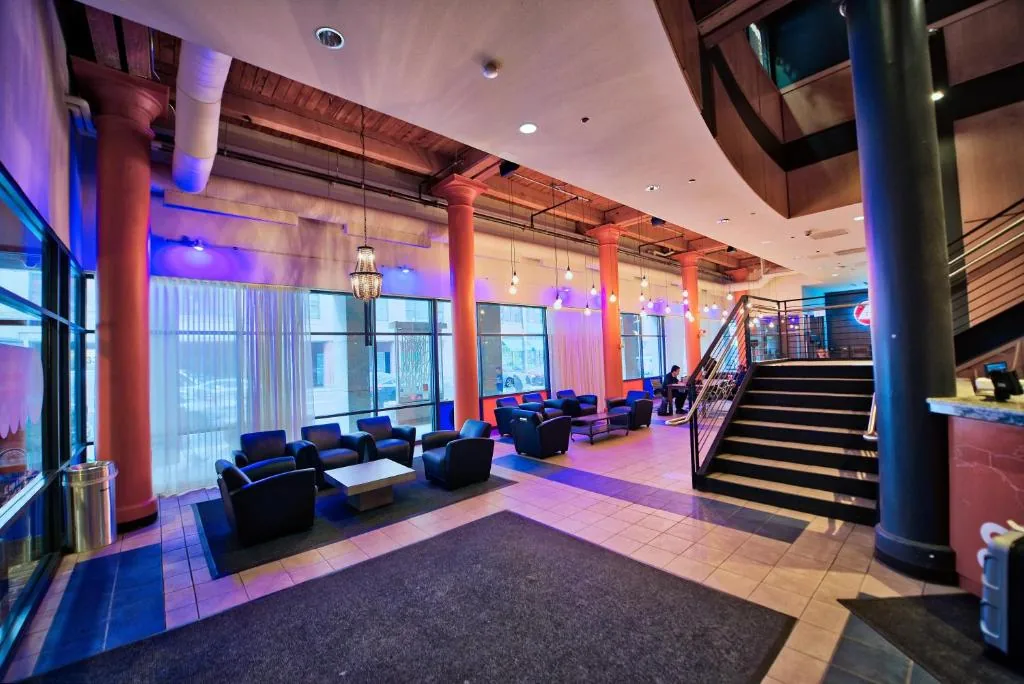
- Genuine period character in the renovated 19th-century building’s columned lobby.
What to keep in mind
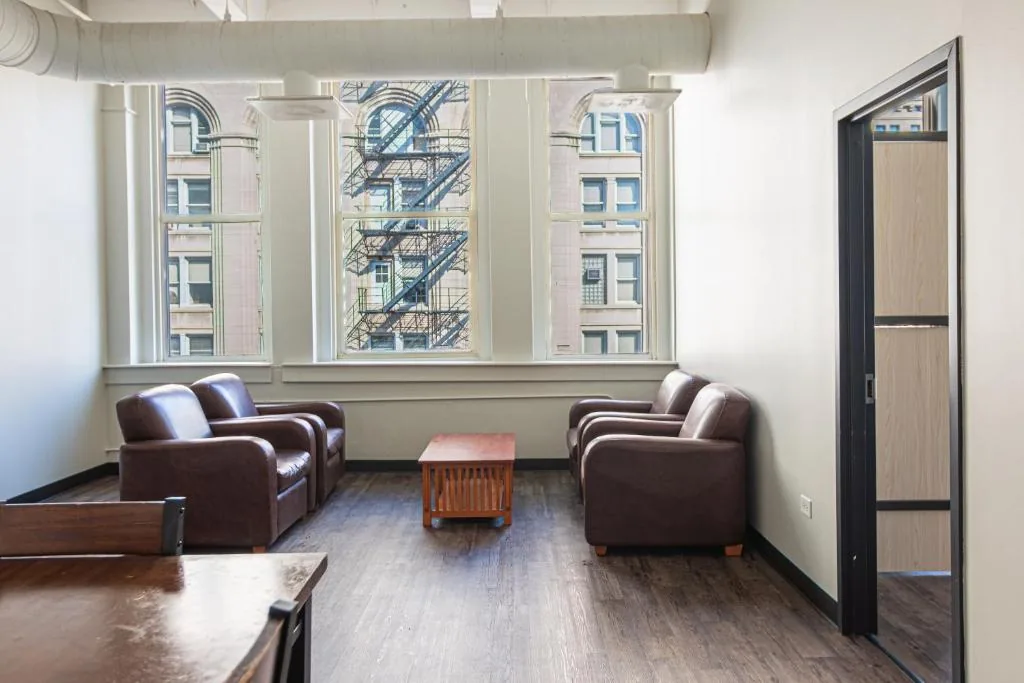
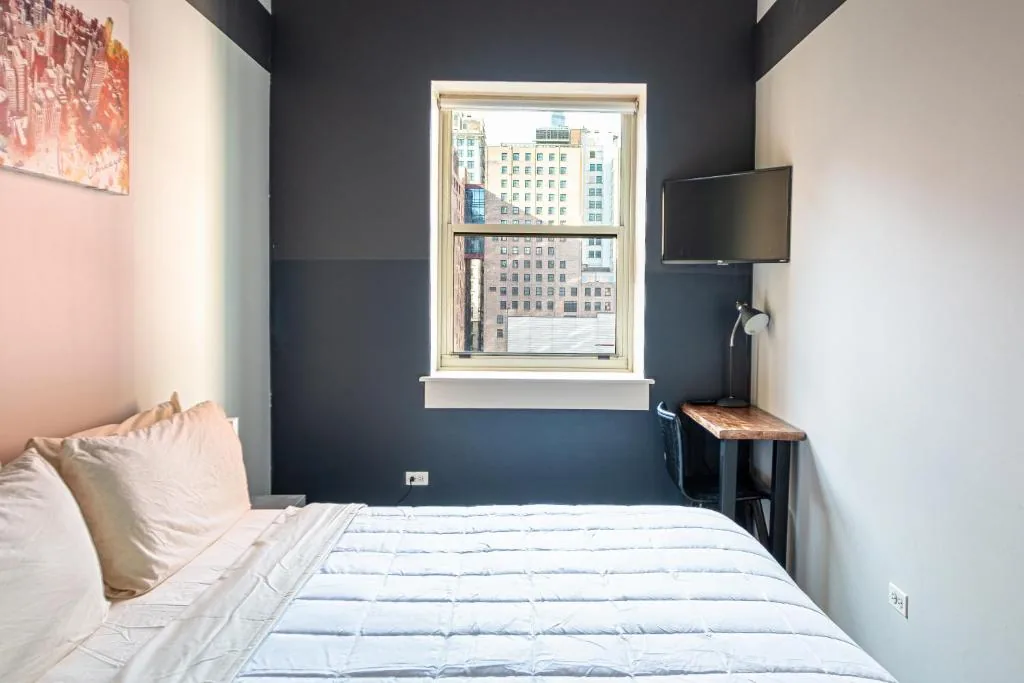
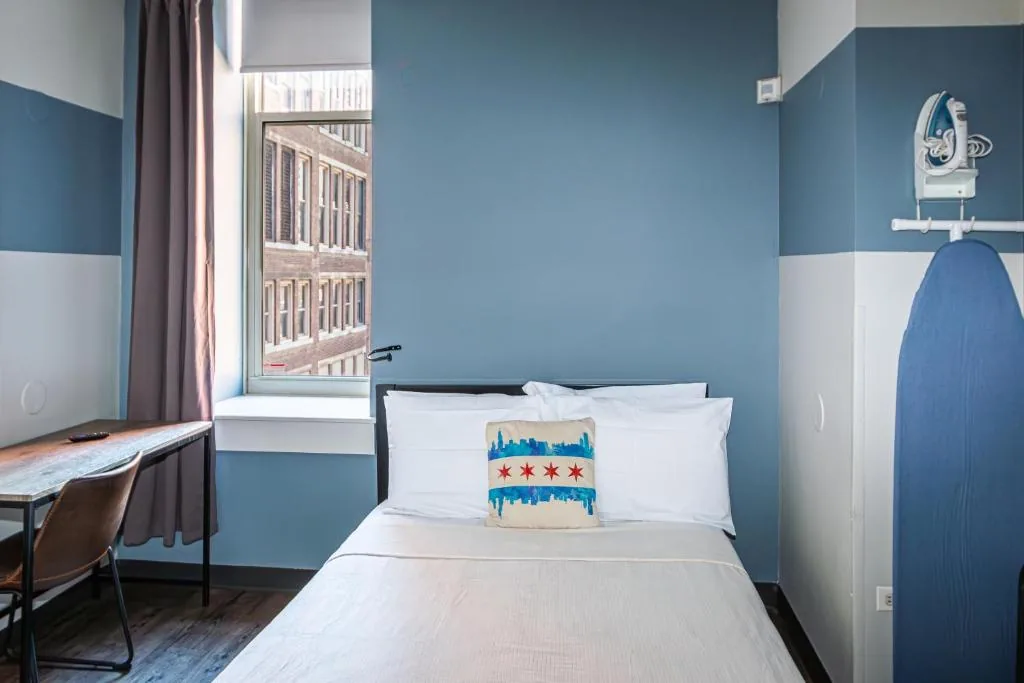
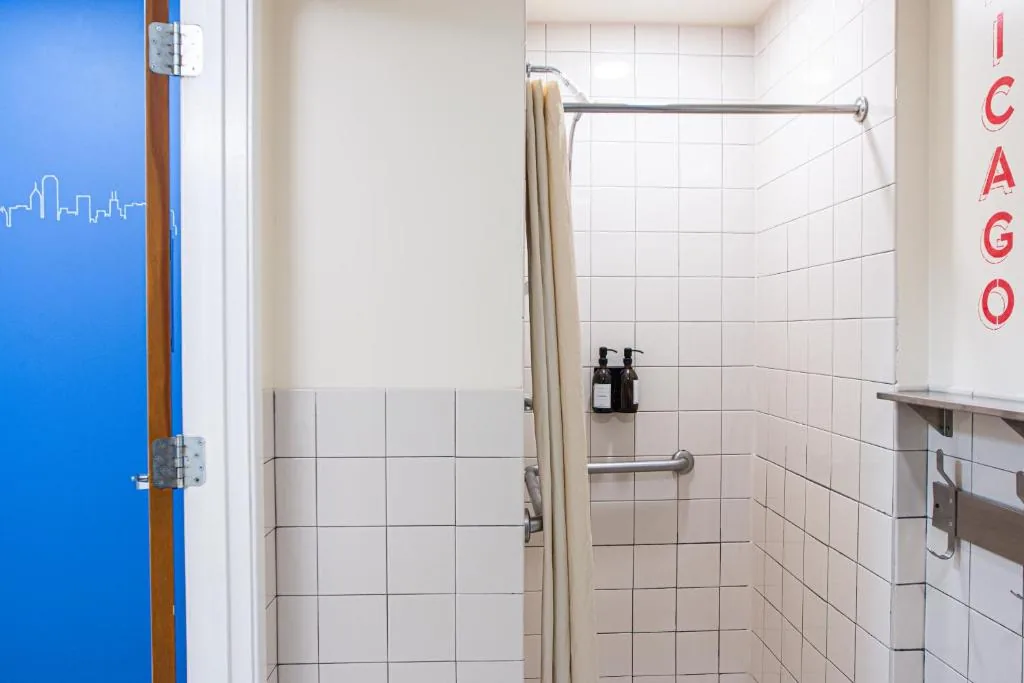
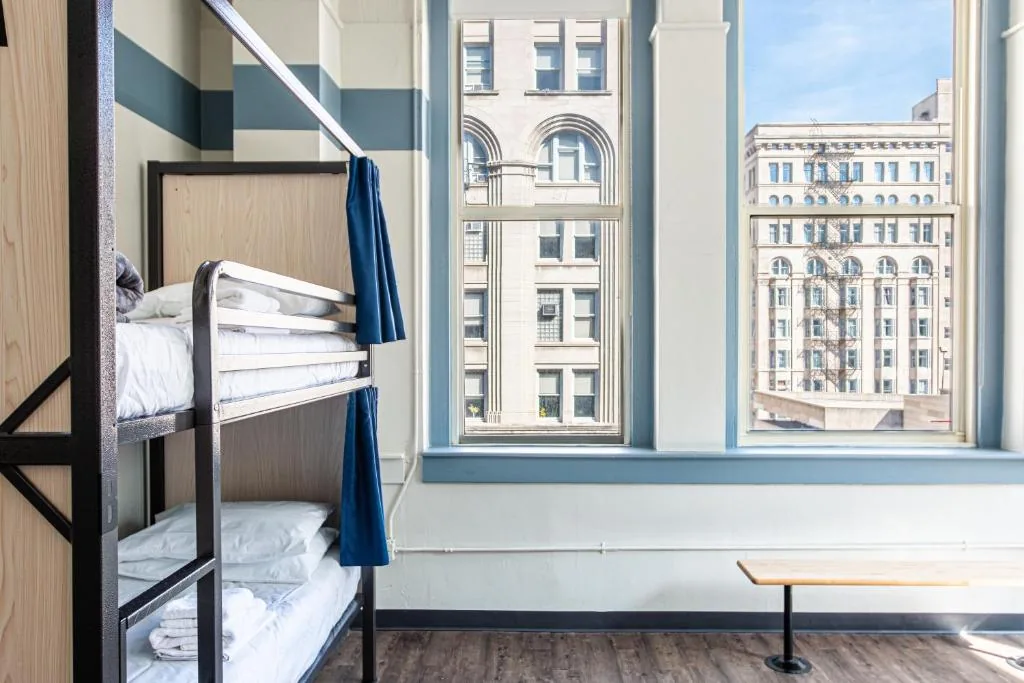
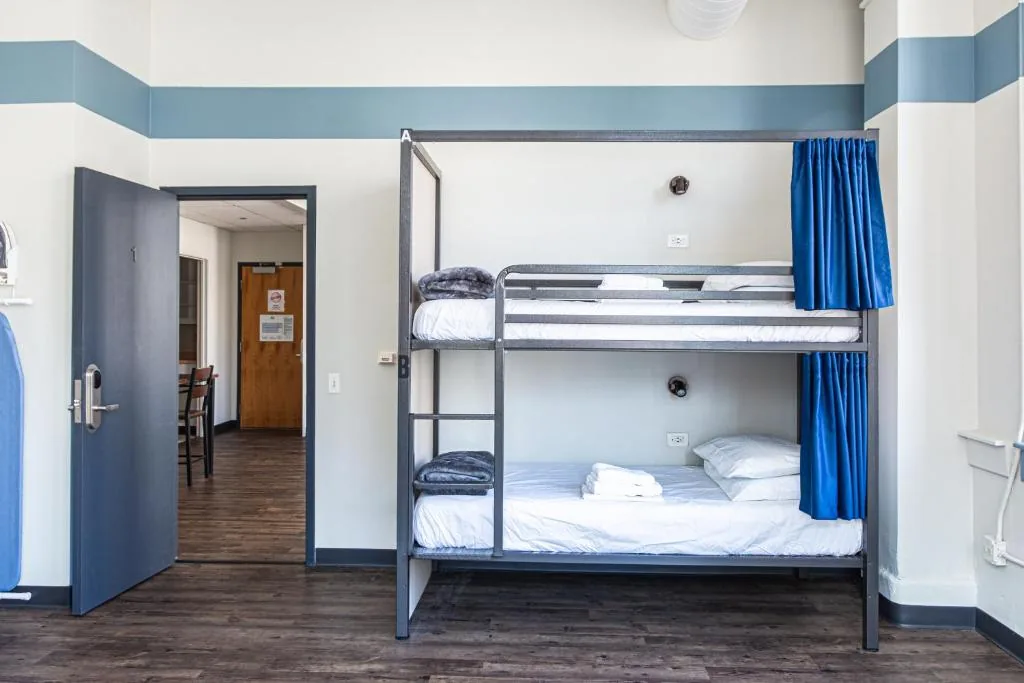
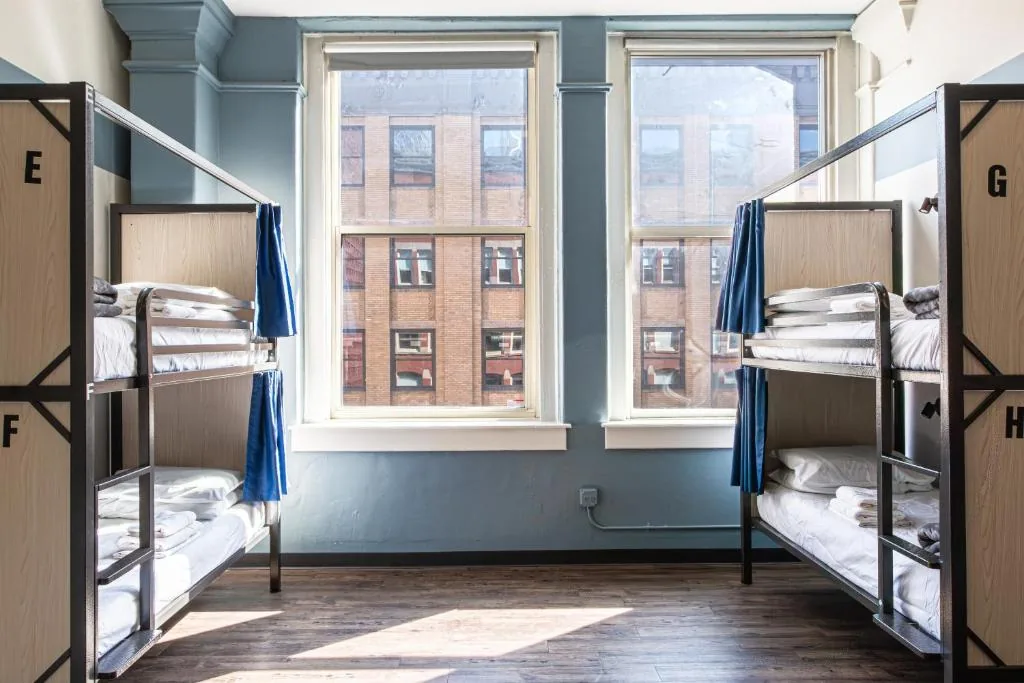
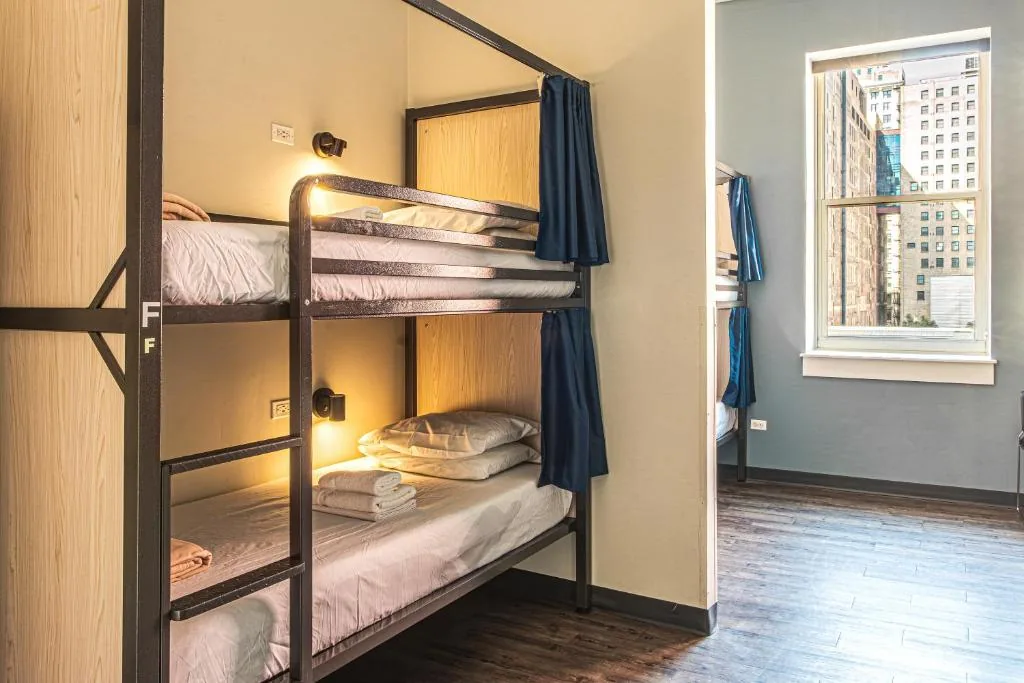
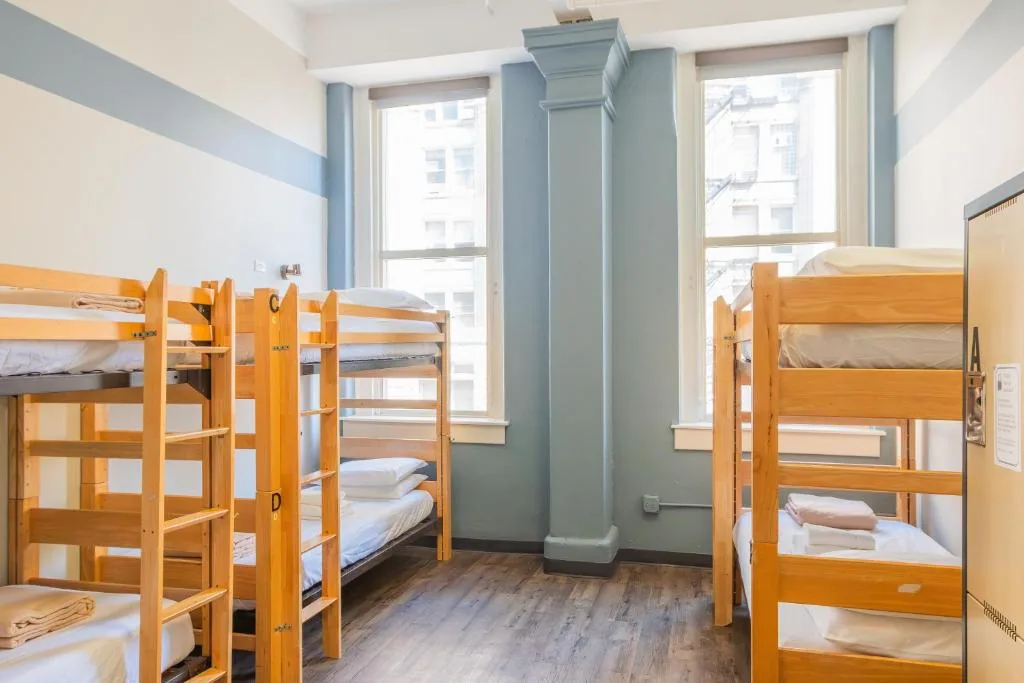
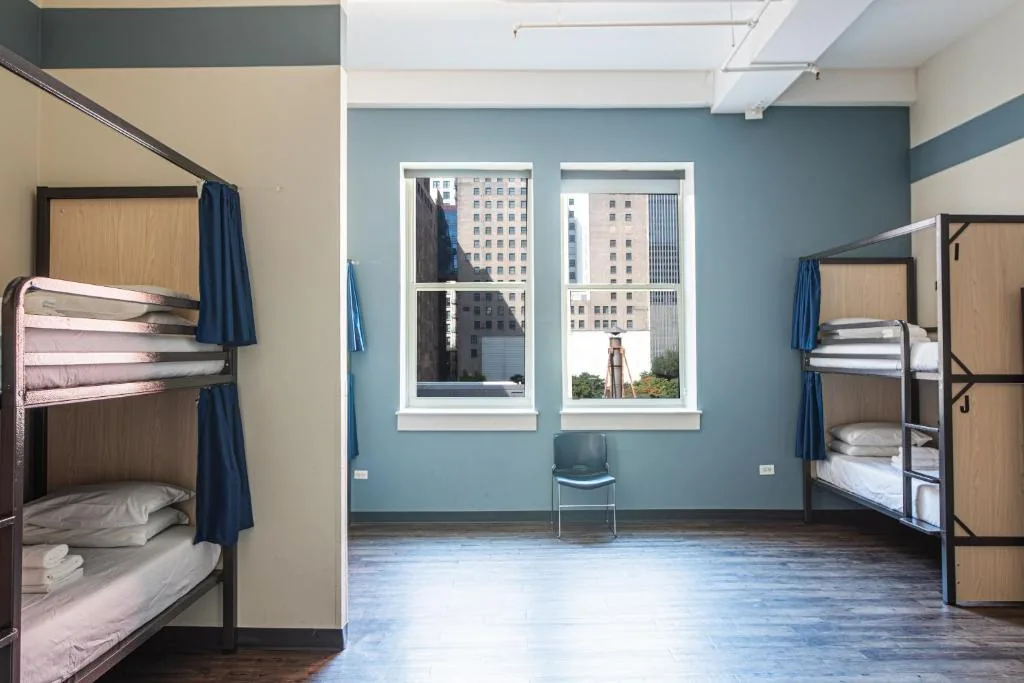
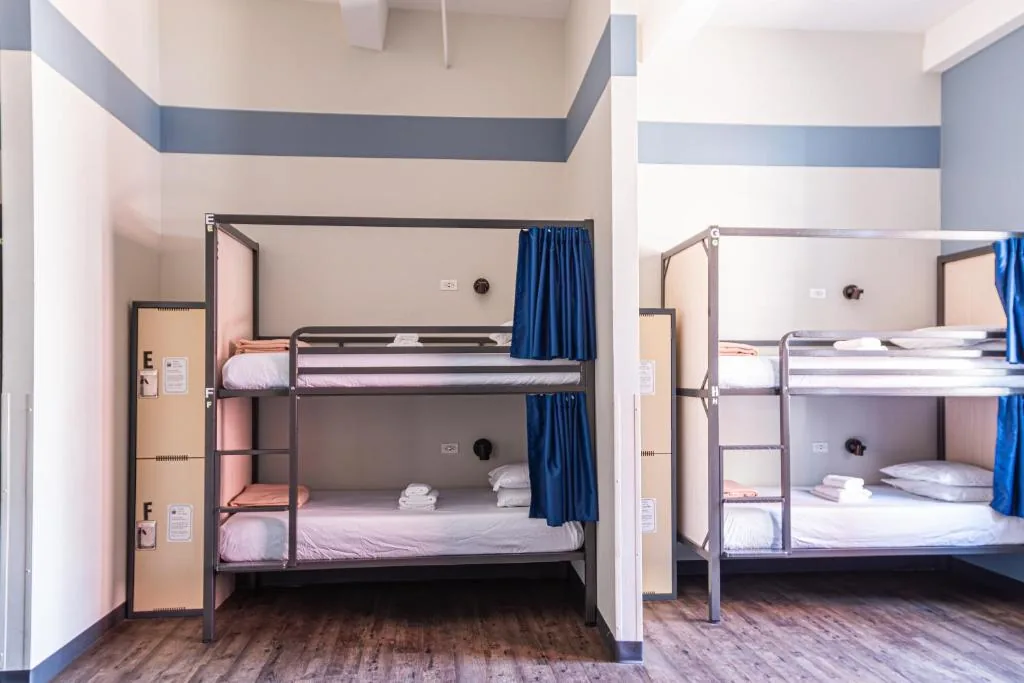
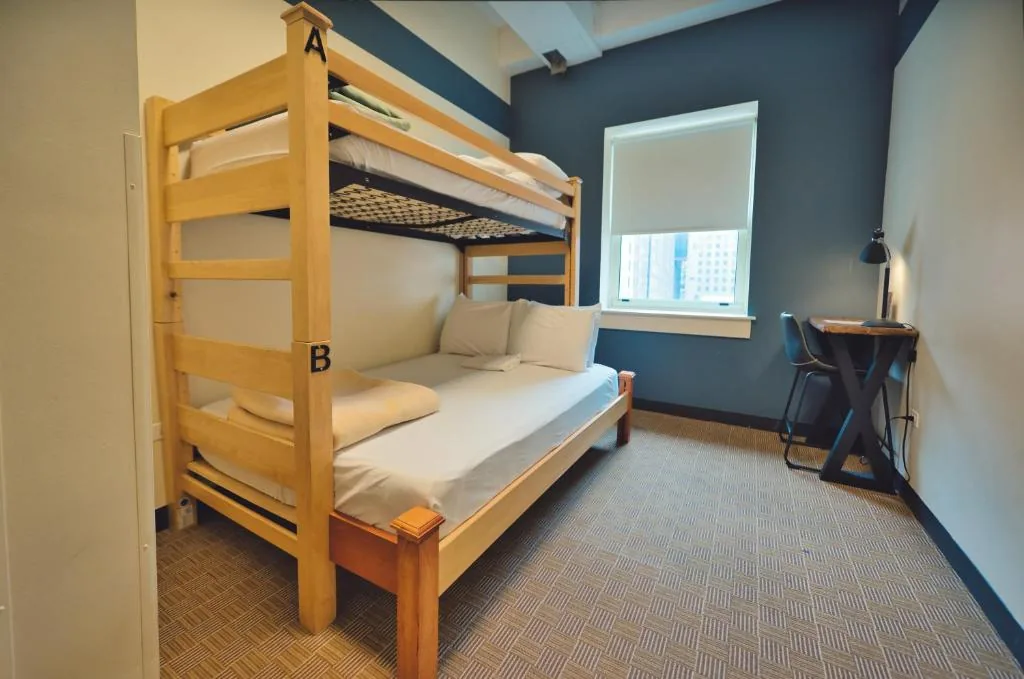
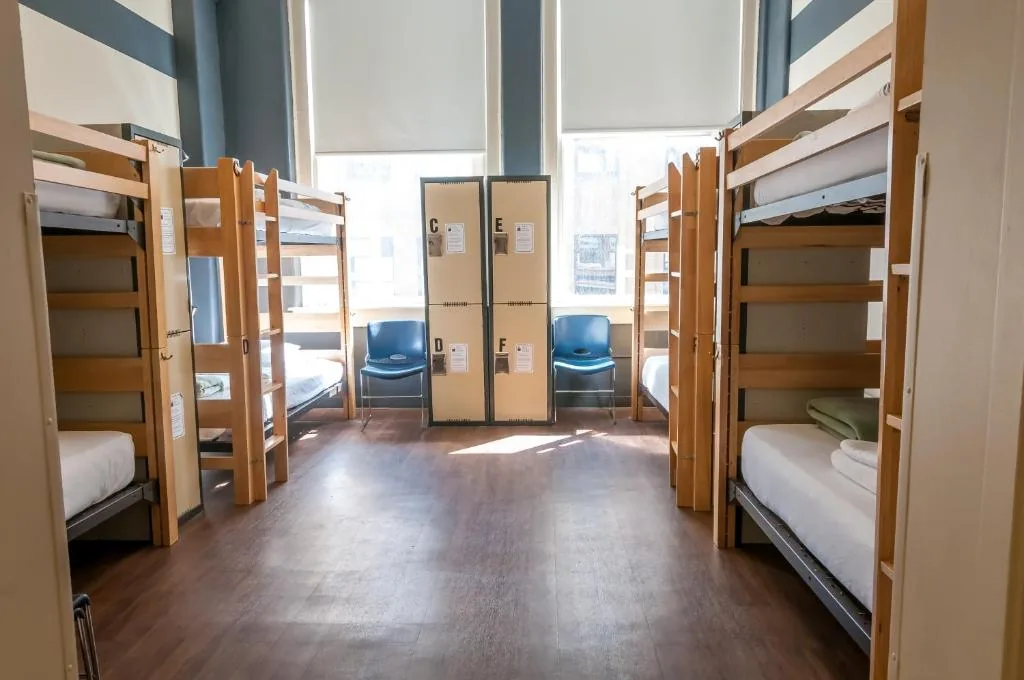
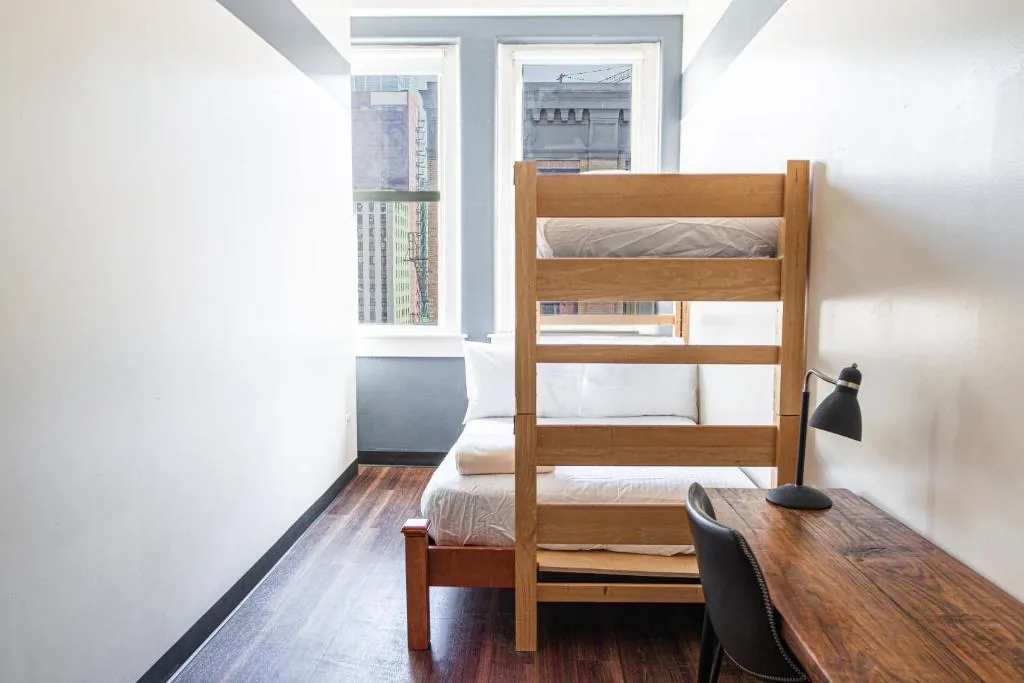
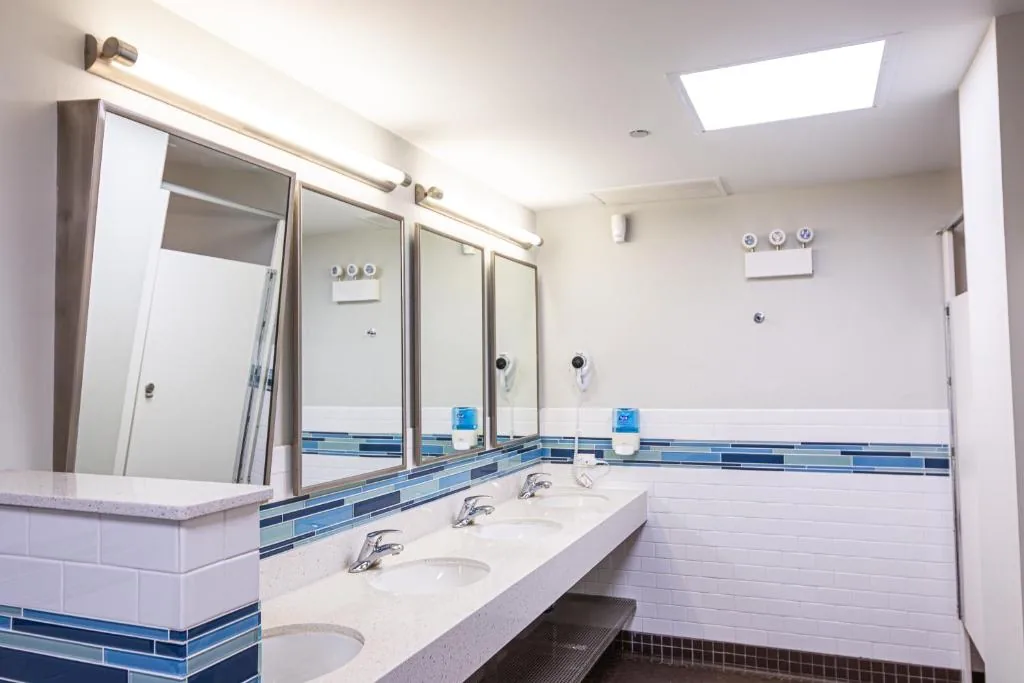
- A hostel — mostly shared dorm rooms and bathrooms
- Lively and social rather than quiet or luxurious
Best for Budget, solo, and younger travelers who want a sociable, central base and don’t mind shared, dorm-style lodging.
Summary of guest reviews. Sources: The Richardson name, height, the original six stories and the demolition Randall expected from Frank A. Randall, History of the Development of Building Construction in Chicago (University of Illinois Press, 1949), p. 134. HI Chicago Hostel, Preservation Chicago. Photography courtesy of HI Chicago Hostel, used with permission. Details may change over time.
Why this building matters
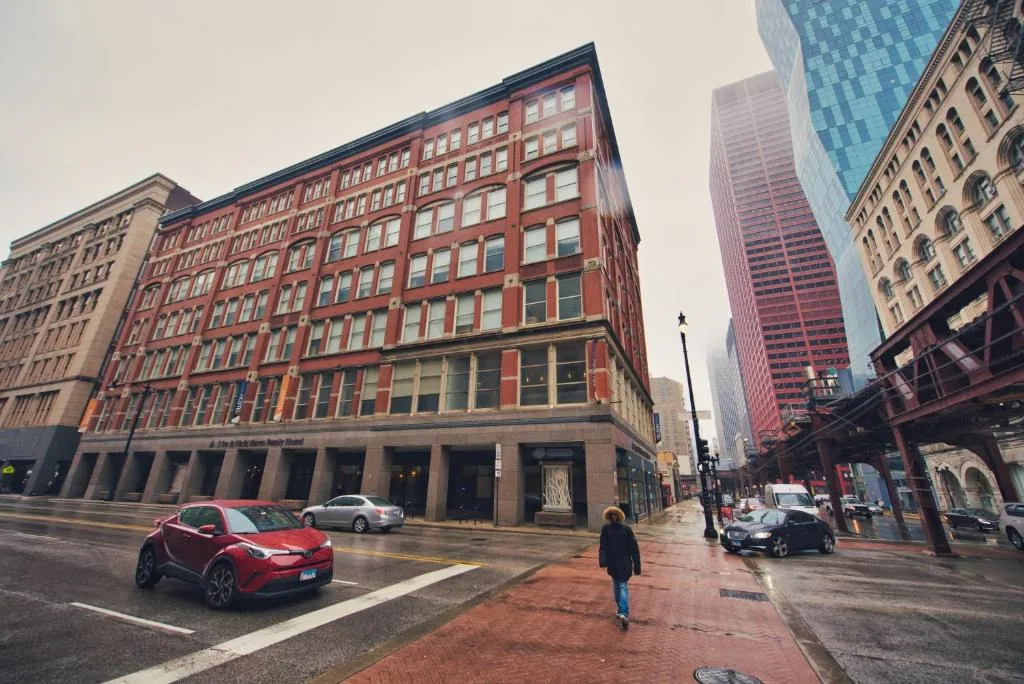
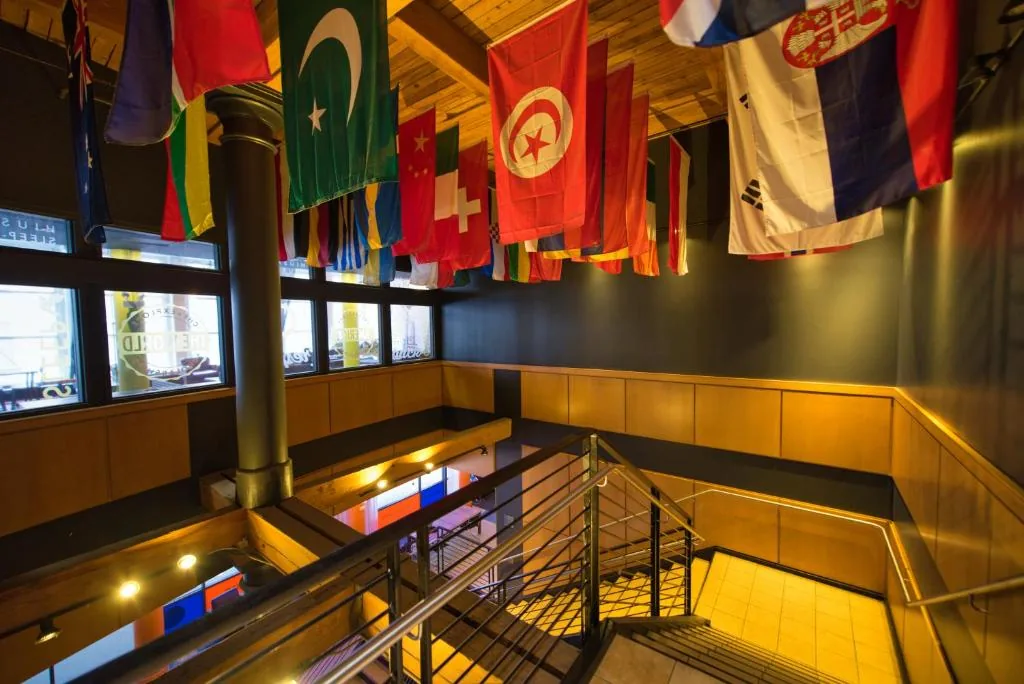
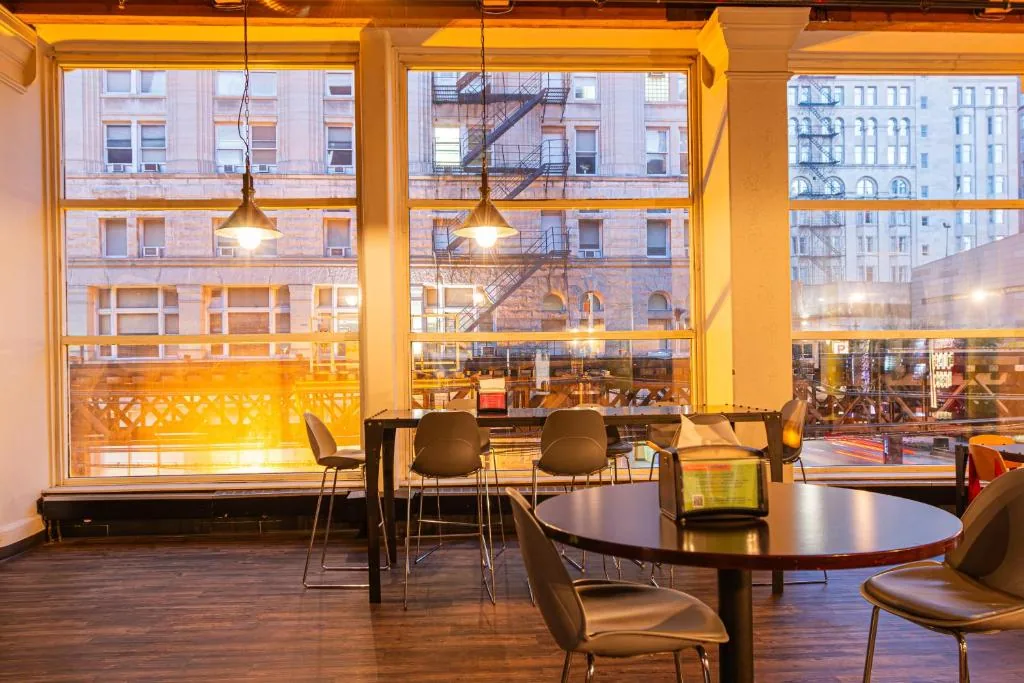
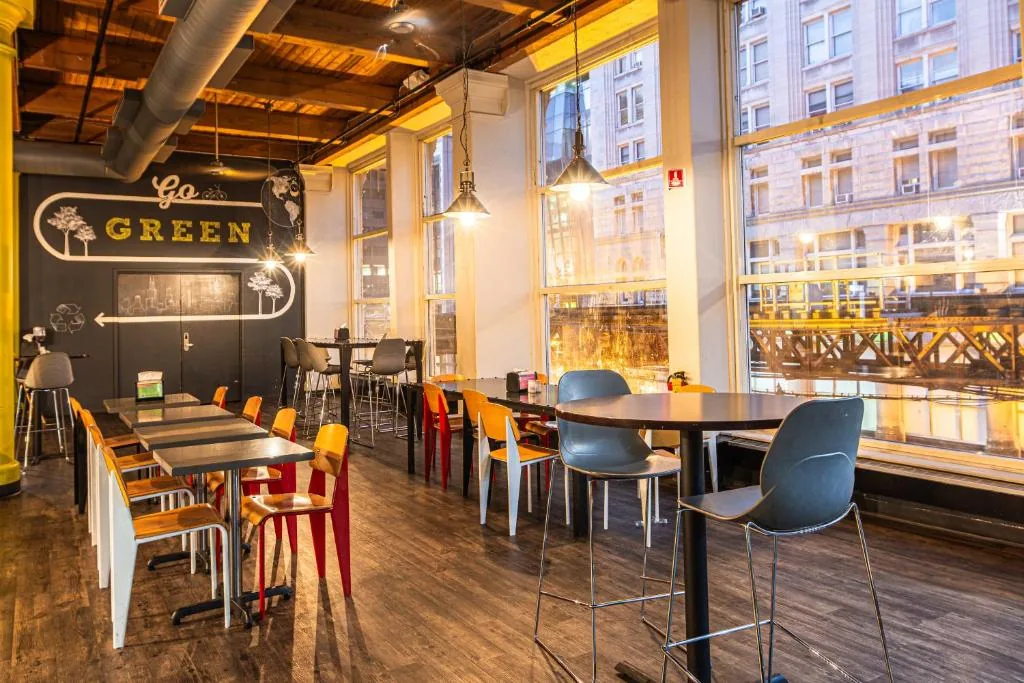
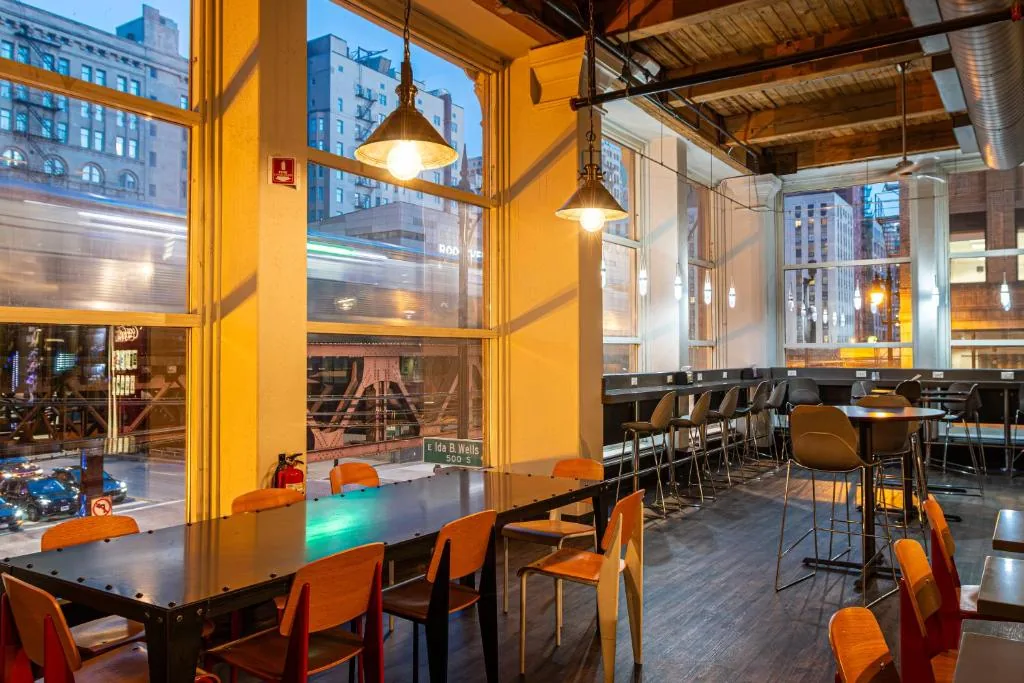
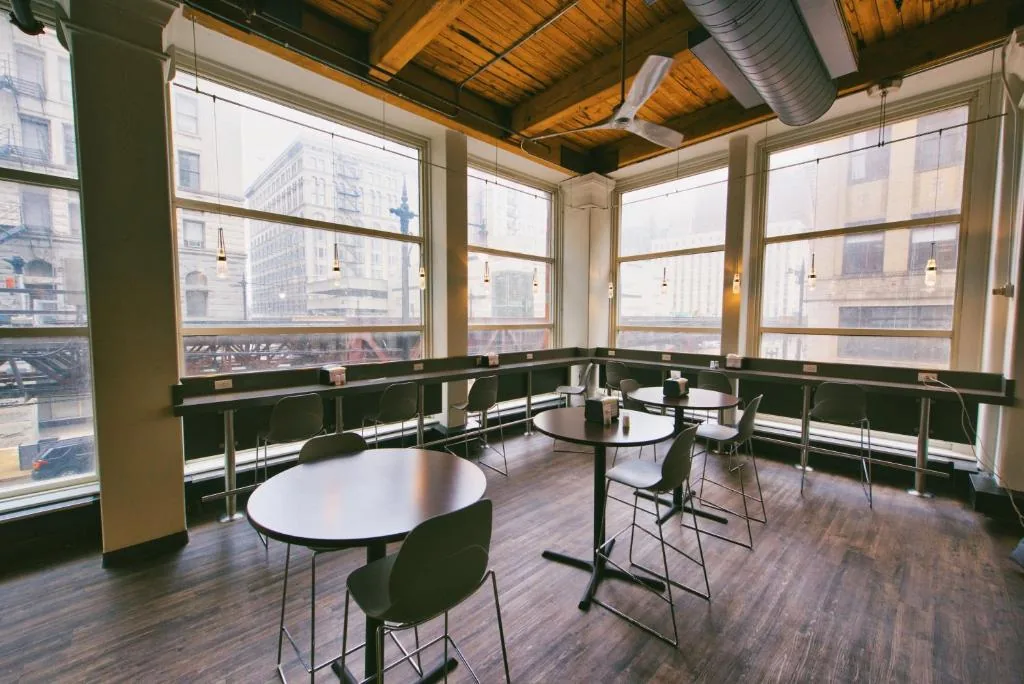
One of the largest hostels in the United States, HI Chicago opened in its current home in 2000 after a thorough renovation of a late-19th-century building, where doric columns and tall windows still give the lobby real character. Run by the nonprofit Hostelling International, it offers dependable, sociable, low-cost lodging — dormitory beds alongside some private rooms — with a café, free walking tours, and a hard-to-beat central location.
Randall’s entry opens with yet another name: “RICHARDSON building, at the northwest corner of S. Wabash avenue and E. Congress street, previously known as the George F. Kimball building, built in 1886, is seven stories and one basement high.”
It has not always been seven. Randall points the reader to an illustration of the building as a six-story block, so a floor was added at some point after 1886. Then comes the sentence that matters most, written in 1949: “This building will be removed, at least in part, by the widening of Congress street.” The widening became the Congress Expressway and took a great deal of the street’s south side with it. The building on the north side was not removed. Randall expected it to be gone, and a hostel has been running in it since 2000.
Explore more like this
more affordable historic stays · Loop hotels near Millennium Park